Power & Grid
Load growth, and who gets to build for it
Interconnection queues, rate cases, turbines and transmission — what data-center demand is doing to utilities and the equipment makers behind them.
2026-09-05
%22%2F%3E%0A%20%20%3Ccircle%20cx%3D%22220%22%20cy%3D%22150%22%20r%3D%22180%22%20fill%3D%22%2322d3ee%22%20fill-opacity%3D%220.12%22%2F%3E%0A%20%20%3Ccircle%20cx%3D%221010%22%20cy%3D%22130%22%20r%3D%22220%22%20fill%3D%22%2338bdf8%22%20fill-opacity%3D%220.08%22%2F%3E%0A%20%20%3Ccircle%20cx%3D%22920%22%20cy%3D%22520%22%20r%3D%22170%22%20fill%3D%22%2322d3ee%22%20fill-opacity%3D%220.06%22%2F%3E%0A%20%20%3Cpath%20d%3D%22M140%20430h920%22%20stroke%3D%22url(%23line)%22%20stroke-width%3D%2212%22%20stroke-linecap%3D%22round%22%2F%3E%0A%20%20%3Cpath%20d%3D%22M220%20360c120-150%20260-220%20380-220s260%2070%20380%20220%22%20fill%3D%22none%22%20stroke%3D%22%2367e8f9%22%20stroke-opacity%3D%220.5%22%20stroke-width%3D%2216%22%20stroke-linecap%3D%22round%22%20stroke-linejoin%3D%22round%22%2F%3E%0A%20%20%3Cpath%20d%3D%22M300%20398h600%22%20stroke%3D%22%2394a3b8%22%20stroke-opacity%3D%220.24%22%20stroke-width%3D%228%22%20stroke-linecap%3D%22round%22%2F%3E%0A%20%20%3Ctext%20x%3D%22220%22%20y%3D%22510%22%20fill%3D%22%23e2e8f0%22%20fill-opacity%3D%220.7%22%20font-family%3D%22Arial%2C%20Helvetica%2C%20sans-serif%22%20font-size%3D%2238%22%20letter-spacing%3D%228%22%3EINSIGHTS%3C%2Ftext%3E%0A%3C%2Fsvg%3E)
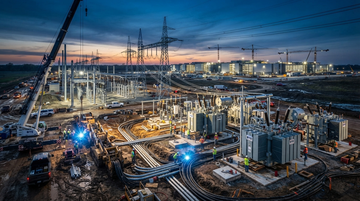
DTE's 13-Year Director Steps Down at the Center of a $36.5B AI-Grid Bet
DTE Energy filed an 8-K on Sept. 4, 2026 disclosing that long-serving director David A. Thomas will retire from the board effective Sept. 3, vacating seats on the Audit and Organization & Compensation committees that oversee the utility's $36.5B five-year capex plan and the 8.4 GW of data-center load it is wiring up for Oracle and Alphabet. The headline is a routine Item 5.02; the substance is that DTE enters the AI-grid build with negative 2026 free cash flow, a 6.5x net-debt-to-EBITDA stack, and a two-year electric rate freeze contingent on the Oracle campus coming online by end-2027. Investors should read this less as a personnel story and more as a governance reminder that the bottleneck on the trade sits in transformer queues, rate-base math, and a board seat — not in any single executive's biography.

Three joins, one thesis: S&P 500's September rebalance makes AI's power and storage constraints index-eligible
Bloom Energy, Illumina, and Everpure—the rebranded Pure Storage—join the S&P 500 on Sept. 21, 2026, replacing Molson Coors, Trade Desk, and Builders FirstSource. The mix is a forced-buyer bet on AI's downstream bottlenecks: fuel cells for hyperscaler power, flash storage for AI workloads, plus a return for genomics after a two-year exile. Combined passive demand runs into the tens of billions, with the clearest supply-chain spillovers at NAND suppliers and power utilities.
2026-09-04
2026-09-02
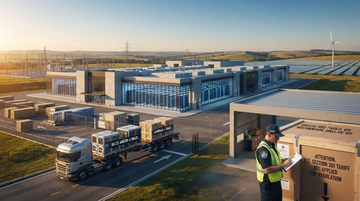
Brazil just made data-center capex cheaper—turning the US power bottleneck into a potential LatAm “second queue” for AI builds
Brazil’s Congress approved a special tax regime (REDATA) that suspends key federal taxes on data-center IT capex starting in 2026, reducing the cost and friction of deploying new capacity in-country. That timing matters because several US states are tightening approvals and interconnection timelines for new data centers, leaving AI demand to find the next buildable power queue. The twist for investors: the same Brazil-for-AI push is occurring alongside a new 25% US Section 301 tariff on Brazilian goods, which can raise cross-border equipment costs and complicate the economics of any Brazil-to-US supply chain.
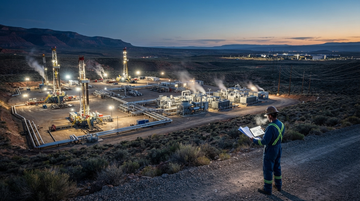
Fervo’s 396 MW Google PPA turns geothermal into an AI-grade “24/7” contract test—without proving the margin math yet
Fervo FRVO spiked on Sept. 1 after announcing a 396 MW enhanced-geothermal power purchase agreement with GOOG for its Cape Station GeoCluster, targeted to come online in 2028 and expandable to nearly 1 GW by June 2030. The market is treating that contract as a commercialization signal for the drill-to-ORC-to-PPA supply chain—yet Fervo’s latest financials still show revenue at the hundreds of thousands and negative operating cash flow, so any “AI multiple” is being priced ahead of repeatable cost and margin delivery.
2026-09-01
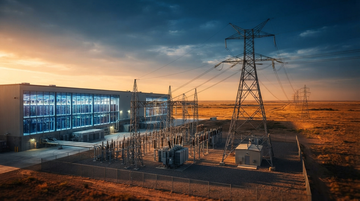
CME’s ERCOT Power Futures Go Live: The AI-Load Hedge Finally Has a Texas Price Signal
CME started trading ERCOT power futures and options on Aug. 31, 2026, bringing exchange-listed hedging to the exact node-to-bill signal that drives Texas scarcity economics. For investors, the new contract surface turns a previously “opaque” risk channel into something easier to price, trade, and compare—raising the odds that AI-driven load demand (and its scarcity episodes) shows up in market-implied hedging costs before it shows up in generator stocks.
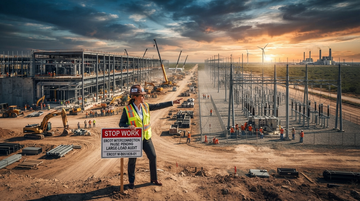
Texas freezes AI data-center “ghost demand” — and the scarcity-rent power trade just lost its clean story
Texas regulators moved to pause new ERCOT data-center grid connections pending an audit of large-load requests, challenging load forecasts built on speculative interconnection queues. That forces a re-check of the “AI power scarcity” thesis: the scarcity rent may still exist, but its timing and magnitude now hinge on how many of those requests actually energize and how quickly generators and wires can follow.
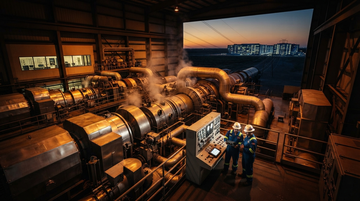
Texas’s AI “scarcity rent” is being earned inside merchant P&Ls — not paid for by customers that think they’re buying power
In ERCOT, the AI/data-center load wave doesn’t just raise prices—it shifts upside into the merchant stack with high hedge coverage. Vistra shows the core mechanic: when it hedges ~100% of 2026 volumes but only ~94% of 2027, the timing and roll risk of scarcity rent can dominate results even if generation economics look strong on the surface.

The “shoulder season” discount is evaporating—turning airfare savings into a year-round pricing-power test for Expedia, Booking Holdings, and airlines
New consumer pricing data show the gap between peak-season and shoulder-season fares is shrinking—so the market is moving from seasonal deal-making to sustained “peak-like” pricing. That shift matters because airlines and online travel agencies monetize pricing power through booking mix and yield, not just high-demand quarters.
2026-08-31
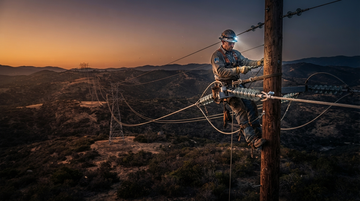
California’s failed wildfire-liability rewrite just repriced the cost of capital for PG&E: equity risk is rising right when the grid needs cash
Gov. Newsom pulled back on the plan that would have shifted more wildfire-loss costs away from investor-owned utilities, tightening the link between wildfire outcomes and utility earnings/capital structure. As PG&E and peers re-enter a more “uncapped” risk regime, investors are treating it as a pure cost-of-capital shock—one that regulators can’t instantly neutralize without pushing losses into insurers, bondholders, and ultimately ratepayers later.
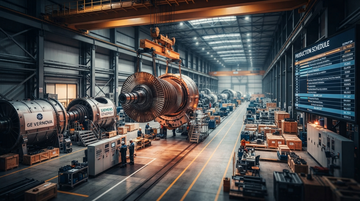
The gas-turbine order book is turning hyperscaler power into a timing bet—OEM slots beat permits by 2027
GE Vernova and Siemens Energy are sitting on huge gas-turbine backlogs while AI-era demand is colliding with unusually tight delivery slots. But the binding constraint for getting megawatts online by 2027 is turning from turbine manufacturing capacity into emissions/permitting sequencing—where delays can strand already-ordered equipment and shift revenue capture toward OEMs with the longest order visibility.
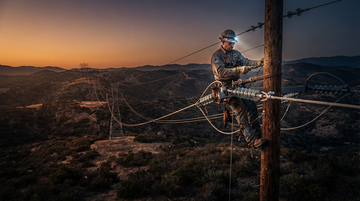
Trump’s bulk-power emergency turns Tesla’s energy stack into the “grid-flexibility” policy floor—Megapack deployments and VPP dispatch rules matter more than Solar Roof tiles
Executive Order 14420 targets national-security risk in U.S. bulk-power equipment (including backup generators) and directs the Department of Energy to implement rules to secure reliability and cyber resilience. Combined with Tesla’s Solar Roof exit from new tile sales, the policy shift increases the market relevance of Tesla’s Megapack and dispatchable flexibility—especially where virtual power plant (VPP) programs convert reliability needs into contracted, dispatch-triggered value.
2026-08-30
AI Data Centers Are Entering a “Cooling Plant” Pricing Regime — Integrated Power + Heat Rejection Designs Can Cut Installation Cost up to 30%
Rack-level liquid cooling gets most of the attention, but every AI megawatt still has to reject heat through the plant mechanical layer: chillers, towers, pumps, valves, and the heat-rejection backbone. A new Trane + Eaton reference design shows why this layer can reprice: it targets up to 15% energy-efficiency gains and up to 30% lower installation costs, shifting value from GPUs to the thermal infrastructure that must scale every new MW.
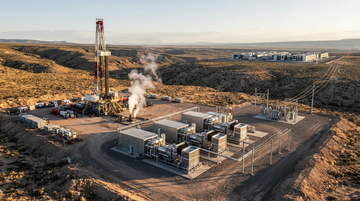
AI’s 24/7 power sprint just found a missing supply-chain map: geothermal’s drill-to-ORC-to-PPA chain
Fervo Energy is converting geothermal from “pilot projects” into bankable 24/7 capacity for AI and data centers—by locking megawatts in PPAs and then moving fast through drilling, permitting, and Organic Rankine Cycle (ORC) equipment. That creates a measurable, investable supply-chain pattern: drill capacity that delivers contracted MW on schedule, ORC turbine/generator OEM scope that scales, and utility-grade offtake economics that are designed to survive the interconnect clock.
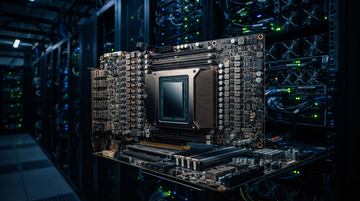
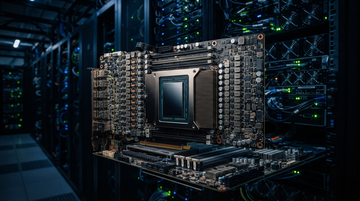
The 1kW GPU’s quiet margin engine: VRM/DrMOS power-management silicon is gaining dollars-per-rack faster than the GPU
AWS is planning to deploy 2 million additional NVIDIA GPUs in 2027–2028, while Nvidia’s AI-server pricing was reported to rise by more than 15% as system costs keep climbing. That combination pushes attention from rack-level power delivery to per-GPU voltage regulation—where multiphase controllers, DrMOS power stages, and PMICs are a fast-growing, density-constrained silicon bottleneck.

Iceland’s EU “no” breaks the only slow-moving anchor—Arctic policy now tilts toward power, patrol capacity, and extractive leverage
Iceland rejected restarting EU accession talks by 52.8% to 47.2% in a late-August referendum that opponents framed around sovereignty risks. With the US pressing Greenland through “national security” arguments and NATO simultaneously tightening Arctic posture, the Arctic is shifting from diplomacy-by-institutions toward competition by presence—raising the premium on surveillance, ice-capable lift, and defense supply chains.
2026-08-29
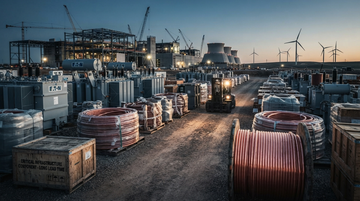
The grid emergency isn’t a power-policy problem—it’s a materials bottleneck upstream of the turbine
The U.S. has framed a national emergency around the foreign supply of bulk-power electric equipment, because reliability can’t wait for long lead-time replacements. At the same time, data-center electrification faces a copper chain strain, while the wind-and-grid buildout still depends on rare-earth magnets. Investors should watch which listed suppliers can convert constrained input availability into backlog, pricing power, and margin support.

Corn and wheat at 3-year highs don’t automatically mean fertilizer margins—Louisiana gas-cost capacity can flip the second derivative in US nitrogen pricing power
With grains strong, the real supply-chain swing is whether US nitrogen pricing tightens or normalizes as new Louisiana capacity moves through permitting and operations. CF Industries’ Blue Point complex and its near-term urea supply plan point to a more local, gas-cost-advantaged margin story that the grains rally can’t price unless fertilizer tightness persists under China-driven export friction.
2026-08-28
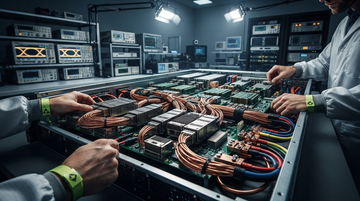
The “dollars per rack” race quietly reorders the BOM: high-speed 224G-grade connectors and 48V power interconnects are becoming the compounding constraint
As AI rack designs push faster copper SerDes and higher bus voltages, the connector/interconnect layer is shifting from “plumbing” to a margin-controlling build constraint. Evidence from TE Connectivity and Luxshare Precision shows 224G connector ecosystems are already being engineered for next-gen switch slot density, while Amphenol reports AI-related strength within IT datacom alongside fast revenue growth.
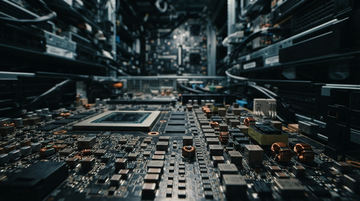
AI Servers’ Quietest Bottleneck Is the Passive Layer: MLCC + Power Magnetics Can Gain Content Share Even When “Component Strength” Reads False
The passive parts that sit under every GPU power step—MLCCs and power magnetics inside the 48V rack ecosystem—can grow faster than the “GPU-cycle” proxy because higher power density increases decoupling and transient-demand content per rack. Using Murata’s reported financials as a compounding baseline, the investment takeaway is that winners in capacitors/inductors can look steadier than the semiconductor tape, while memory-price volatility can distort how component strength shows up in reported supply chains.
What to expect
Evidence-first notes with a visible point of view.
This section collects sharp takes on earnings, shareholder meetings, and market structure. Each new piece should make the thesis, the facts, and the implications obvious within the first few screens.
Expect direct analysis, not generic commentary.
Expect the data to be explicit and the argument to be easy to follow.
Plutux is not an investment adviser. Market data and AI-generated analysis are for information and education only, not investment advice. Disclaimer