Policy & Trade
Tariffs, export controls, and who absorbs them
Rulings, sanctions and trade negotiations traced to the companies that pay for them — margin by margin, route by route.
2026-08-19
%22%2F%3E%0A%20%20%3Ccircle%20cx%3D%22220%22%20cy%3D%22150%22%20r%3D%22180%22%20fill%3D%22%2322d3ee%22%20fill-opacity%3D%220.12%22%2F%3E%0A%20%20%3Ccircle%20cx%3D%221010%22%20cy%3D%22130%22%20r%3D%22220%22%20fill%3D%22%2338bdf8%22%20fill-opacity%3D%220.08%22%2F%3E%0A%20%20%3Ccircle%20cx%3D%22920%22%20cy%3D%22520%22%20r%3D%22170%22%20fill%3D%22%2322d3ee%22%20fill-opacity%3D%220.06%22%2F%3E%0A%20%20%3Cpath%20d%3D%22M140%20430h920%22%20stroke%3D%22url(%23line)%22%20stroke-width%3D%2212%22%20stroke-linecap%3D%22round%22%2F%3E%0A%20%20%3Cpath%20d%3D%22M220%20360c120-150%20260-220%20380-220s260%2070%20380%20220%22%20fill%3D%22none%22%20stroke%3D%22%2367e8f9%22%20stroke-opacity%3D%220.5%22%20stroke-width%3D%2216%22%20stroke-linecap%3D%22round%22%20stroke-linejoin%3D%22round%22%2F%3E%0A%20%20%3Cpath%20d%3D%22M300%20398h600%22%20stroke%3D%22%2394a3b8%22%20stroke-opacity%3D%220.24%22%20stroke-width%3D%228%22%20stroke-linecap%3D%22round%22%2F%3E%0A%20%20%3Ctext%20x%3D%22220%22%20y%3D%22510%22%20fill%3D%22%23e2e8f0%22%20fill-opacity%3D%220.7%22%20font-family%3D%22Arial%2C%20Helvetica%2C%20sans-serif%22%20font-size%3D%2238%22%20letter-spacing%3D%228%22%3EINSIGHTS%3C%2Ftext%3E%0A%3C%2Fsvg%3E)

Fed minutes lean hawkish while the Treasury scales buybacks—September becomes a tug-of-war between inflation control and fiscal support
The latest FOMC minutes underscore a conditional path to rate firming if inflation stays elevated, with policymakers explicitly linking “some policy firming” to inflation scenarios. At the same time, the Treasury announced a doubled scale for certain debt buyback operations, supporting market liquidity and pushing yields lower—so September is set to be decided by which transmission mechanism dominates first.

La-Z-Boy’s tariff math vs. housing deferral: furniture kept moving, but margins told you tariffs weren’t fully “refunded”
In La-Z-Boy’s fiscal Q1 FY2027 results filed Aug. 18, 2026, the company reported consolidated revenue down 3.4% year over year, while retail delivered sales growth. The most investor-relevant signal wasn’t just “demand held up”—it was that favorable tariff effects raised gross margin by ~140 bps, yet operating profit collapsed due to wholesale volume and fixed-cost deleverage.

Pennsylvania turns AI data-center approvals into a consent-gated process—ending the “buy gas rights” shortcut and reshuffling who can finance fast buildouts
Pennsylvania’s Aug. 18, 2026 executive order makes AI data-center permitting in the state conditional on executing enforceable GRID commitments and proving local approvals for projects above 25 MW. The change directly challenges the economics of “permit-by-power-queue bypass” strategies, where developers secured fuel rights while waiting behind grid and permitting constraints.

The SEC’s “Regulation Crypto Assets” proposal turns crypto compliance into a licensing ladder—with custody-and-bank intermediaries positioned to win faster than token-market sentiment
On Aug. 18, 2026, the SEC proposed “Regulation Crypto Assets,” a tailored securities offering framework that adds a conditional safe harbor plus two registration exemptions for certain crypto investment contracts. The immediate market implication is less about token price direction and more about which intermediaries can (and will) operationalize offering disclosures and investor-protection controls—especially registered, custody-oriented financial firms.

Target's “turnaround” look is improving, but the $-quality of the beat hinges on how much tariff money is truly flowing
Target’s latest reported quarter shows a clear EPS upswing, but the company also flags tariff-refund uncertainty (and explicitly says any received amounts have been immaterial). The investor question isn’t whether turnaround narrative is working—it’s whether gross margin and operating expense discipline are doing enough of the lifting versus one-time items that can’t be counted on.

Treasury’s doubled debt buybacks look like quasi-QE—but the mechanism is closer to plumbing support than term-premium math
The U.S. Treasury’s Aug 18–19 decision to double its debt buyback program is a direct liquidity backstop for specific off-the-run Treasury issues, not a broad-based asset purchase like 2020’s QE. For rates investors, the key question is whether tighter bid/offer spreads and fewer dealer balance-sheet constraints can suppress term-premium moves—or merely redistribute trading flows across the auction calendar while yields reprice.

UAE cuts Iran off financially and commercially: the Gulf’s “re-export valve” closing risks war-risk shipping, gold logistics, and credit flows
On Aug 19, the UAE suspended all financial and economic transactions with Iran after a reported missile incident involving Iran, according to Reuters. The move matters beyond crude: it changes Iran’s import logistics through the UAE’s re-export and payment channels and can quickly re-price war-risk shipping and associated insurance terms across the Strait of Hormuz, which can also feed through to near-term gold flows.

Crossing $40T Turns Treasury Buybacks Into an Accounting Puzzle at ~4.65% 10-Year Yields
When U.S. debt tops $40 trillion while the 10-year sits near 4.65%, interest-cost arithmetic starts working against any “stabilize liquidity” debt buyback plan. The key contradiction isn’t that buybacks are useless—it’s that at today’s term yields, even modest net issuance can compound into a much faster rise in annual net interest, forcing a larger share of future fiscal space to be auctioned back to investors.
2026-08-18

Braskem BAK ‘s Mexico Chapter 11 moves the ethane-cracker stress test to the front of the Americas petrochem trade
Braskem’s Mexico ethane-into-polyethylene footprint is entering a U.S.-court Chapter 11 restructuring, after consents designed to cut senior debt by more than $920MM. The event matters beyond Braskem BAK: it pressures the ethane-cracker operating model and turns the next move for U.S. ethane exporters and PE pricing from “tailwind” into “risk.”

If the SEC scrapped Rule 611, retail spreads could keep getting “paid” — just with a different balance sheet
The SEC’s June 11, 2026 proposal would rescind Regulation NMS’s intermarket trade-through protection (Rule 611) and the locked-and-crossed restriction (Rule 610(e). The key economic bet behind the debate is that weakening exchange-to-exchange price protection changes how retail brokers route orders, how wholesalers (including PFOF arrangements) monetize the spread, and which venues bear more of the execution-cost risk.

Disney-ABC’s FCC license fight turns broadcast “risk” into an injunction-or-discount binary
The FCC forced Walt Disney Company’s ABC stations into an early license-renewal proceeding focused on possible workplace discrimination-rule violations. Disney-ABC’s new federal lawsuit seeks an injunction against the FCC’s accelerated process—exactly the kind of ruling that can compress (or harden) the “viewpoint risk premium” investors apply to station-group renewal economics, reshaping how buyers underwrite local-market broadcast assets.

Lightning Tore Through a US Fuel “Bottleneck” — and Crack-Spread Trades Now Have a Physical Supply Shock Washington Didn’t Model
A lightning-triggered fire at the Explorer Pipeline Glenpool tank farm in Oklahoma forced operations to shut and is now tightening refined-product supply logistics on a key pipeline corridor. For crack-spread trades, the implication is simple: even if Washington caps “refinery output” expectations, physical downtime at storage/transport nodes can still move forward the timing (and size) of product shortages that widen differentials.

Meta's 29-state trial is forcing a reprice of “liability” more than “break-up”
The 29-state youth-safety trial places Instagram and Facebook under direct scrutiny for how product design decisions affect children—an exposure that tends to price as recurring costs and mandated product changes. With Meta also running heavy AI capex, investors now have to reconcile legal-driven friction with cash-flow funding needs, not just a binary divestiture outcome.
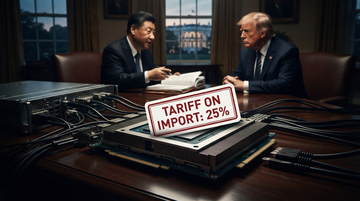
Xi’s UN skip puts the Trump–Xi summit into the market’s “tariff + chip export” binary
Xi Jinping will skip the UN General Assembly while visiting Washington, concentrating the trip around a Sept. 24 Trump meeting at the White House. That timing matters for investors because several chipmakers already describe “tariff-on-import” and export-control pathways that can swing China revenue—making détente versus escalation a direct earnings and margin driver across semiconductors and critical-minerals supply chains.

Dulles’ $19.9B overhaul gets the green light—yet financing math at ~5% Treasury yields is the real schedule risk
MWAA’s board is set to vote on a roughly $19.9B Washington Dulles overhaul, framing it as a once-a-generation rebuild. The investment size is less important than the financing stack: if rate-sensitive municipal capital is repriced upward, the program’s phased construction plan becomes the pressure point for contractors, aviation engineering services, and durable-goods suppliers.

Ceasefire expiry flips the “fade” trade: oil lifts back toward $85 as term premium and shipping risk reprice
When the U.S.–Iran ceasefire looked set to expire on Monday, policy language tilted toward coercive pressure and Iran signaled a harder posture—pushing oil and yields higher. The trade implication is not just crude sensitivity: airlines, margin-flex refiners, tanker operators, and long-duration equity exposures can whipsaw as term premium and freight risk re-price before the market regains direction.

Washington’s “more refinery output” push just set a ceiling on the crack-spread trade
Energy Secretary Chris Wright said the U.S. will announce steps within days to help refiners boost fuel output. When policymakers target throughput, the usual winners are volume/working-capital operators—and the usual losers are refiners’ margin flexibility that depends on tight product markets, especially during record crack spreads.
2026-08-17

Chevron’s Aug 17 OFAC license step adds heavy barrels back—forcing a new U.S. Gulf Coast refining-margin test
An OFAC amendment released Aug 3, 2026 makes Chevron’s Venezuela-linked authorization operative on or after Sept. 17, 2026—raising the odds that heavy Venezuelan crude availability (and its refining economics) moves from headline risk to measurable margin impact. For investors, the key question is whether the restarted heavy flows are large/steady enough to tighten U.S. Gulf Coast heavy differentials and lift refiners’ realizations, without reintroducing political delivery risk.

China’s steel output slide collides with US tariff protection—how the steel demand print is pressuring iron ore and squeezing US margin assumptions
A new demand-side picture—China’s weaker steel production alongside faster housing price declines—implies less real steel consumption and more export overhang. That mix matters for US mills because tariff walls can keep certain steel flows out, but they can’t stop global raw-material pricing from repricing.

Medicare Advantage plan exits are the “recovery” trade’s first true stress test—CMS 2027 rate math tightens while only consolidators can recapture
Humana’s announced 2027 Medicare Advantage plan exits (impacting ~600,000 members) show how quickly “margin recovery” can turn into a footprint problem once bids get too close to the cost line. CMS’s 2027 payment framework still projects a 2.48% average MA rate increase, but key risk-adjustment changes (especially exclusions tied to unlinked chart review records) can make plan-level economics diverge—rewarding consolidators who can recapture volume and punishing retreaters who can’t.
What to expect
Evidence-first notes with a visible point of view.
This section collects sharp takes on earnings, shareholder meetings, and market structure. Each new piece should make the thesis, the facts, and the implications obvious within the first few screens.
Expect direct analysis, not generic commentary.
Expect the data to be explicit and the argument to be easy to follow.
Plutux is not an investment adviser. Market data and AI-generated analysis are for information and education only, not investment advice. Disclaimer