Latest
The day's market news, with the argument attached
New notes every trading day on earnings, policy and market structure. Each one opens with the conclusion, then the evidence, then the companies it hits.
2026-07-20
%22%2F%3E%0A%20%20%3Ccircle%20cx%3D%22220%22%20cy%3D%22150%22%20r%3D%22180%22%20fill%3D%22%2322d3ee%22%20fill-opacity%3D%220.12%22%2F%3E%0A%20%20%3Ccircle%20cx%3D%221010%22%20cy%3D%22130%22%20r%3D%22220%22%20fill%3D%22%2338bdf8%22%20fill-opacity%3D%220.08%22%2F%3E%0A%20%20%3Ccircle%20cx%3D%22920%22%20cy%3D%22520%22%20r%3D%22170%22%20fill%3D%22%2322d3ee%22%20fill-opacity%3D%220.06%22%2F%3E%0A%20%20%3Cpath%20d%3D%22M140%20430h920%22%20stroke%3D%22url(%23line)%22%20stroke-width%3D%2212%22%20stroke-linecap%3D%22round%22%2F%3E%0A%20%20%3Cpath%20d%3D%22M220%20360c120-150%20260-220%20380-220s260%2070%20380%20220%22%20fill%3D%22none%22%20stroke%3D%22%2367e8f9%22%20stroke-opacity%3D%220.5%22%20stroke-width%3D%2216%22%20stroke-linecap%3D%22round%22%20stroke-linejoin%3D%22round%22%2F%3E%0A%20%20%3Cpath%20d%3D%22M300%20398h600%22%20stroke%3D%22%2394a3b8%22%20stroke-opacity%3D%220.24%22%20stroke-width%3D%228%22%20stroke-linecap%3D%22round%22%2F%3E%0A%20%20%3Ctext%20x%3D%22220%22%20y%3D%22510%22%20fill%3D%22%23e2e8f0%22%20fill-opacity%3D%220.7%22%20font-family%3D%22Arial%2C%20Helvetica%2C%20sans-serif%22%20font-size%3D%2238%22%20letter-spacing%3D%228%22%3EINSIGHTS%3C%2Ftext%3E%0A%3C%2Fsvg%3E)
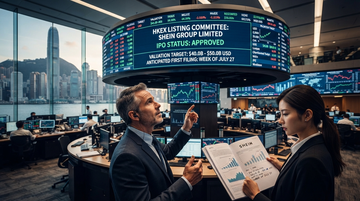
Shein Clears Hong Kong Listing Committee at $40-50B: Fast Fashion's Biggest 2026 IPO Pivots East After the NY/London Fades
On July 17, 2026, Shein received approval from the Hong Kong Stock Exchange listing committee for its long-awaited IPO, targeting a $40-50B valuation (down from $100B in 2022). The fast-fashion retailer plans to publish its first public filing the week of July 27 and could launch the roadshow as soon as late August, after pivoting away from prior New York and London attempts. The prospectus will offer a clean read on Shein's $40B+ revenue, ~$2B net profit, supply chain, and the regulatory tradeoffs of choosing Hong Kong over U.S. listings.
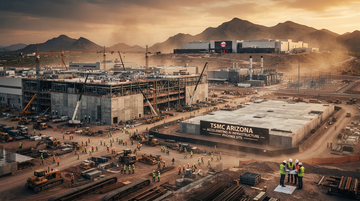
TSMC Accelerates Arizona Buildout, Lifts 2026 Capex to $60-64B — The AI 'Megatrend' Is Now a US Foundry Story
On July 20, 2026, TSMC CFO Wendell Huang told CNBC the company is accelerating its Arizona fab buildout to capitalize on what he called a 'multi-year structural' AI 'megatrend', with the Arizona pipeline raised to $265 billion on top of an additional $100 billion commitment. TSMC simultaneously lifted full-year 2026 capex guidance to $60-64 billion (from a prior $52-56B) and confirmed Phase 1 of Arizona is in production on 4nm, with advanced packaging also being built on-site. Crucially, Huang disclosed that US fab construction costs run 4-5x Taiwan levels, a key margin datapoint for assessing the long-run economics of US-based AI chip manufacturing.
2026-07-19

The AI Selloff Is Repricing Duration, Not Demand, as Oil and Rates Hit the Tape
A one-day drop in AI stocks is not a demand collapse story. The tape is telling investors that the most crowded parts of the AI complex are now being judged like long-duration assets, while oil, rates, and leverage force the market to separate Nvidia from Micron, SK Hynix, and Samsung Electronics.

American Airlines’ $3 Billion Profit Gap: Turnaround Plan Meets a Structural Revenue Problem
American Airlines is trying to close a wide peer profit gap through premium cabins, lounges, schedule redesign, loyalty monetization, and fleet investment. The starting point is stark: revenue is only modestly below United's, but net income is far lower, which points to a structural monetization and cost-of-capital problem rather than a simple scale issue.

The Beige Book Says Growth Is Still Moderate, but Fuel and Tariffs Keep the Fed on Guard
The latest Beige Book says the U.S. economy is still expanding at a moderate pace, but higher fuel costs and tariff pressure mean the Fed cannot treat inflation as solved. That keeps Walmart, United Airlines, and rate-sensitive sectors tied to the next policy print.
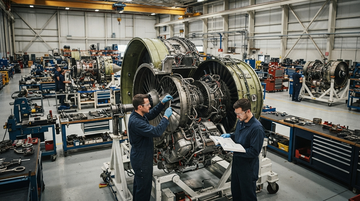
CFM's $2 Billion Repair Plan Says Aviation's Bottleneck Is Aftermarket Capacity, Not Engine Demand
CFM's five-year, $2 billion repair push is a signal that the supply problem in commercial aviation sits in maintenance, parts, and turn time. That has direct read-through for GE Aerospace, Safran, Boeing, and the airlines that are paying for missed utilization.

Jordan's Strike Reopens the Strait of Hormuz Energy-Risk Premium
The attack that killed two U.S. service members in Jordan and the follow-on U.S. strikes on Iran keep the Strait of Hormuz at the center of the market's inflation and freight math. That matters for Exxon, Chevron, United Airlines, Delta Air Lines, and any portfolio that still thinks oil is a side issue.

Meta's Potential $10 Billion Anthropic Lease Could Turn AI Compute Into a Wholesale Market
A two-year, $10 billion compute lease would turn Meta from a pure consumer-platform capex story into a capacity market. That changes the valuation question for Meta, Amazon, Microsoft, Google, SK Hynix, and Samsung Electronics.

SpaceX's Pentagon AI Deal Turns Defense Compute Into a New Cloud Test
The Pentagon is reportedly considering a multibillion-dollar compute deal with SpaceX, which means defense AI is no longer just about models and chips. It is about who can deliver cheap, secure, and scalable data-center capacity without depending only on the usual cloud giants.
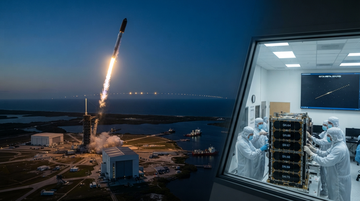
SpaceX's 21-Satellite Military Launch Shows Cadence Is the Real Space Moat
A successful Falcon 9 launch of 21 military satellites is less about the one rocket and more about cadence. Once the constellation reaches 63 of 126 planned satellites, launch reliability starts to matter as a recurring cash-flow engine for SpaceX, Lockheed Martin, Northrop Grumman, and the rest of the defense stack.
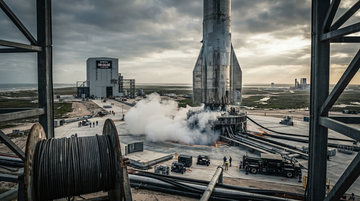
SpaceX's $1 Trillion Valuation Reset Puts the Mega-IPO Pipeline on Trial
The post-IPO slide in SpaceX is no longer a curiosity. It is a test of how quickly a mega-private name can lose its premium when launch execution wobbles, supply overhang grows, and investors realize the public market will not price Elon Musk optionality forever.

Taylor Farms' Cyclospora Recall Shows How One Lettuce Channel Can Spread Across Taco Bell and 27 States
Taylor Farms' July 17 recall turns a central Mexico lettuce sourcing channel into a network-risk case for retailers and quick-service restaurants. The public-health signal came from shredded iceberg lettuce served at Taco Bell, but the commercial unwind spans a 27-state distribution footprint and multiple packed formats.
2026-07-18

Amazon, Alphabet, Microsoft, and Meta Are Turning AI Capex Into a Return-on-Compute Test
The latest capex debate is not about whether the hyperscalers are spending enough. It is about whether the next dollar of AI infrastructure produces a return that is high enough to justify the power, memory, and financing burden.

CXMT's IPO Turns China's Memory Catch-Up Into a Direct Challenge to Micron, SK Hynix, and Samsung Electronics
China's biggest memory-chip listing in years is not just a capital-raising event. It is a signal that the memory market is being pulled into a state-backed industrial race, with consequences for pricing, capacity, and the global AI supply chain.

CXMT's Mega IPO Is Draining Liquidity From China and Repricing Hong Kong Tech
CXMT's $8.6 billion listing is not just a memory-chip event. The bigger market signal is that a giant domestic IPO can pull liquidity out of mainland China and into a policy-backed industrial story, forcing Alibaba, Tencent, and other Hong Kong tech names to reprice against a tighter cash pool.
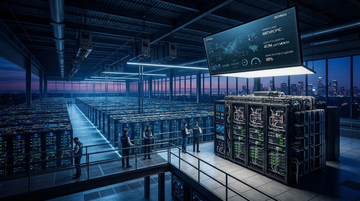
Meta's Anthropic Lease Turns AI Compute Into a Wholesale Market
A potential $10 billion deal to rent compute to Anthropic would move Meta one step closer to treating its AI infrastructure like a saleable utility. That changes the market's question from 'is Meta overinvesting?' to 'can Meta monetize spare capacity better than the cloud incumbents?'

Meta's AWS Poach Turns AI Infrastructure Into a Cloud-Business Trial
Hiring a senior Amazon Web Services executive is a small headline with a large read-through: Meta is no longer just buying compute, it is starting to organize itself like a compute platform. That changes the valuation debate around AI capex, cloud economics, and what counts as a durable moat.

Nvidia Barely Kept the Market Cap Crown Over Apple, and That Turns the AI Trade Into a Cash-Conversion Test
The intraday fight between Nvidia and Apple is not just a market-cap headline. It is the market asking which mega-cap can still justify a premium when AI capex, memory costs, and valuation crowding are all rising at once.

Retail Sales and Jobless Claims Say the U.S. Consumer Is Slowing, Not Breaking
June retail sales rose only 0.2% and initial jobless claims fell to 208,000, which is a mixed signal in the best possible sense: spending is still holding up, layoffs are still low, and the Fed still has room to stay patient.

Skyroot's Vikram-1 Launch Opens India's Private Orbital Market to the Rest of the Space Stack
India's first private orbital launch is a milestone, but the market implication is bigger: launch access is becoming a commercial market, which matters for Rocket Lab, SpaceX, defense contractors, and every satellite company trying to buy time in orbit.
What to expect
Evidence-first notes with a visible point of view.
This section collects sharp takes on earnings, shareholder meetings, and market structure. Each new piece should make the thesis, the facts, and the implications obvious within the first few screens.
Expect direct analysis, not generic commentary.
Expect the data to be explicit and the argument to be easy to follow.
Plutux is not an investment adviser. Market data and AI-generated analysis are for information and education only, not investment advice. Disclaimer