%22%2F%3E%0A%20%20%3Ccircle%20cx%3D%22220%22%20cy%3D%22150%22%20r%3D%22180%22%20fill%3D%22%2322d3ee%22%20fill-opacity%3D%220.12%22%2F%3E%0A%20%20%3Ccircle%20cx%3D%221010%22%20cy%3D%22130%22%20r%3D%22220%22%20fill%3D%22%2338bdf8%22%20fill-opacity%3D%220.08%22%2F%3E%0A%20%20%3Ccircle%20cx%3D%22920%22%20cy%3D%22520%22%20r%3D%22170%22%20fill%3D%22%2322d3ee%22%20fill-opacity%3D%220.06%22%2F%3E%0A%20%20%3Cpath%20d%3D%22M140%20430h920%22%20stroke%3D%22url(%23line)%22%20stroke-width%3D%2212%22%20stroke-linecap%3D%22round%22%2F%3E%0A%20%20%3Cpath%20d%3D%22M220%20360c120-150%20260-220%20380-220s260%2070%20380%20220%22%20fill%3D%22none%22%20stroke%3D%22%2367e8f9%22%20stroke-opacity%3D%220.5%22%20stroke-width%3D%2216%22%20stroke-linecap%3D%22round%22%20stroke-linejoin%3D%22round%22%2F%3E%0A%20%20%3Cpath%20d%3D%22M300%20398h600%22%20stroke%3D%22%2394a3b8%22%20stroke-opacity%3D%220.24%22%20stroke-width%3D%228%22%20stroke-linecap%3D%22round%22%2F%3E%0A%20%20%3Ctext%20x%3D%22220%22%20y%3D%22510%22%20fill%3D%22%23e2e8f0%22%20fill-opacity%3D%220.7%22%20font-family%3D%22Arial%2C%20Helvetica%2C%20sans-serif%22%20font-size%3D%2238%22%20letter-spacing%3D%228%22%3EINSIGHTS%3C%2Ftext%3E%0A%3C%2Fsvg%3E)
What changed
Meta is no longer only buying AI capacity. It is starting to imagine itself as a seller of capacity.
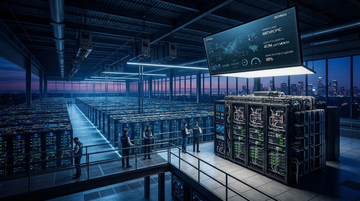
The FT report on Meta and Anthropic is important because it changes the shape of the business. If the company can lease compute externally, the same data centers that were built for internal AI work start behaving like revenue-generating infrastructure.
That would not make Meta a classic cloud provider overnight. But it would make the company less dependent on ad growth alone to justify a very large AI capex budget.
The market is therefore moving from a simple question about spending discipline to a more interesting one about monetization design: can a social platform create a wholesale compute market from assets that were originally built to optimize feeds and recommendations?
Why it matters
If the lease happens, Meta gets a second AI business without having to invent a second consumer product.
That is why the deal matters to investors. If Meta can rent compute to Anthropic, then the capex burden starts to look less like deadweight and more like a balance-sheet-backed capacity trade.
Anthropic is a useful counterparty because it already spreads demand across Amazon, Google, and SpaceX. That means the market is not looking at one isolated contract; it is looking at the growing habit of frontier AI labs renting capacity from whoever can deliver it reliably.
| Dimension | Signal | Investor interpretation |
|---|---|---|
| Lease size | $10B | Large enough to move the narrative |
| Duration | 24 months | Long enough to matter to capex payback |
| Monthly run-rate | $417M | Compute becomes a recurring revenue stream |
| Capex base | $125B-$145B | The asset base is already enormous |
Read-through
The real comparison is not with social-media peers. It is with the cloud incumbents.
If Meta proves it can rent excess compute, the line between a social company and an infrastructure company gets thinner. That would be good for headline revenue diversification, but it would also intensify scrutiny of utilization, depreciation, and power consumption.
The second-order read-through extends to Nvidia, because a broader rental market still needs chips, networking, and cooling. It also matters for SK Hynix and Samsung Electronics because the more the compute race intensifies, the more memory demand remains pinned high.
The bigger market message is that AI infrastructure is moving one level up the stack: from internal optimization to tradable capacity.
Meta's capex can be read as a capacity business if the lease closes
The potential lease is small versus annual capex, but large enough to prove the model.
Unit: USD billions
Potential lease ($B)
Two-year deal
10
Annual capex guide low ($B)
2026 floor
125
Annual capex guide high ($B)
2026 ceiling
145
Monthly run-rate ($B)
Implied pace
0.4
Bottom line
The Meta story is no longer just about ads and apps. It is about whether AI capacity can be sold like a utility.
That is the market's new test. If the company can monetize external demand without damaging internal performance, the infrastructure bill becomes easier to own.
If it cannot, the same capex will keep looking like a very expensive internal optimization project.
Either way, the compute market just got more interesting.