Latest
The day's market news, with the argument attached
New notes every trading day on earnings, policy and market structure. Each one opens with the conclusion, then the evidence, then the companies it hits.
2026-07-13
%22%2F%3E%0A%20%20%3Ccircle%20cx%3D%22220%22%20cy%3D%22150%22%20r%3D%22180%22%20fill%3D%22%2322d3ee%22%20fill-opacity%3D%220.12%22%2F%3E%0A%20%20%3Ccircle%20cx%3D%221010%22%20cy%3D%22130%22%20r%3D%22220%22%20fill%3D%22%2338bdf8%22%20fill-opacity%3D%220.08%22%2F%3E%0A%20%20%3Ccircle%20cx%3D%22920%22%20cy%3D%22520%22%20r%3D%22170%22%20fill%3D%22%2322d3ee%22%20fill-opacity%3D%220.06%22%2F%3E%0A%20%20%3Cpath%20d%3D%22M140%20430h920%22%20stroke%3D%22url(%23line)%22%20stroke-width%3D%2212%22%20stroke-linecap%3D%22round%22%2F%3E%0A%20%20%3Cpath%20d%3D%22M220%20360c120-150%20260-220%20380-220s260%2070%20380%20220%22%20fill%3D%22none%22%20stroke%3D%22%2367e8f9%22%20stroke-opacity%3D%220.5%22%20stroke-width%3D%2216%22%20stroke-linecap%3D%22round%22%20stroke-linejoin%3D%22round%22%2F%3E%0A%20%20%3Cpath%20d%3D%22M300%20398h600%22%20stroke%3D%22%2394a3b8%22%20stroke-opacity%3D%220.24%22%20stroke-width%3D%228%22%20stroke-linecap%3D%22round%22%2F%3E%0A%20%20%3Ctext%20x%3D%22220%22%20y%3D%22510%22%20fill%3D%22%23e2e8f0%22%20fill-opacity%3D%220.7%22%20font-family%3D%22Arial%2C%20Helvetica%2C%20sans-serif%22%20font-size%3D%2238%22%20letter-spacing%3D%228%22%3EINSIGHTS%3C%2Ftext%3E%0A%3C%2Fsvg%3E)

Massive AI Buildout Is Turning Into an Inflation Test Before It Becomes a Productivity Story
The AI spending boom is no longer just a future-growth story. With $720 billion of expected data-center investment, sharply higher memory-chip costs, and visible consumer price increases for laptops and consoles, the market now has to decide whether AI is adding durable productivity or leaking into the inflation data first.

AI Semiconductors Are in a Valuation Reset, Not a Demand Collapse
The July selloff in SK Hynix, Samsung Electronics, Micron, and the broader chip complex looks like a thesis break only if you stop at the tape. The better read is a crowded AI trade digesting geopolitics, index concentration, and expectations that had run ahead of near-term proof.

Bank Lending Guidance Turns Immigration Status Into a Credit Underwriting Variable
Federal regulators are now explicitly telling banks to treat immigration status as part of credit-risk analysis for borrowers who may not be legally authorized to work in the U.S. That is more than a policy headline: it changes underwriting, compliance costs, and the way banks think about certain customer segments.

China's Export Surge Shows AI Demand Is Still Pulling Global Supply Chains
China's June export data is not just a macro surprise. The 27% jump in exports and 36% rise in imports show that AI-related demand is still rippling through semiconductors, electronics, EVs, and shipping, even while domestic demand remains softer than the headline trade numbers imply.

Citigroup's Remake Is Now an Earnings and Capital-Return Test
The bank is entering earnings with the cleanest restructuring story on Wall Street, but the market still wants proof that simplification turns into higher ROTCE, better fees, and more buybacks. The read-through matters for Citigroup, JPMorgan Chase, Bank of America, Goldman Sachs, and Wells Fargo.

AI Data Centers Are Hitting the U.S. Grid Before They Hit Scale
Meta's expanded Louisiana build shows hyperscalers are still willing to spend at a shocking scale, but the real bottleneck is now transformers, interconnection queues, and local resistance. The winners are shifting from pure compute landlords to whoever can finance electricity.

The Strait of Hormuz Shock Is an Inflation Test Before It Is an Energy Trade
The latest U.S.-Iran escalation sent Brent and WTI higher, but the market consequence is broader than oil beta. If shipping risk persists, airlines, chemicals, retailers, and rate-sensitive growth all absorb a second-round inflation tax.

LNG Is Not Short Everywhere. It Is Becoming Scarce in the Wrong Places.
The latest LNG headlines show a market split into regional bottlenecks rather than one clean global price. Cheniere and other exporters can still benefit, but Europe, Asia, and gas-sensitive industries are paying the price of security risk and contract rigidity.

UnitedHealth and Elevance Health Are the Next Test of the Medicare Advantage Recovery
The next two insurer calls will tell the market whether the 2026 MA payment reset and easing utilization are enough to extend the rally in UnitedHealth, Elevance Health, and peers, or whether medical-cost inflation is starting to creep back.

OpenAI's Leadership Turnover Shows the Commercial Engine Is Still Not Settled
Fidji Simo's step-back and the latest safety-team departure show OpenAI is still rearranging who owns product, safety, and monetization. That matters because the company is trying to behave like a platform while its executive map keeps changing.

Paramount and Warner Bros. Discovery Are Being Repriced by Antitrust, Not Just Deal Math
The legal fight over the Paramount-Warner deal is no longer a merger-arbitrage footnote. With 12 states now trying to freeze the transaction, the market has to price regulatory duration, media concentration risk, and the possibility that content distribution gets revalued before the deal ever closes.

SK Hynix's 15% Crash Was a Liquidity Event, Not an AI Demand Reversal
The 15.4% plunge in SK Hynix and the 10.7% drop in Samsung Electronics looked like a thesis break, but the tape says leverage, geopolitical risk, and a cross-listing dislocation hit first. The deeper memory cycle is still tight, which means Seoul may be the weakest link even if the AI demand story stays intact.
2026-07-12

Apple's Back-to-School Delay Shows Premium Pricing Is Hitting Demand
Apple's 2026 back-to-school offer is late, and the delay matters because Apple already raised prices across Macs and iPads in June. The read-through is that premium positioning still works, but it is no longer frictionless: students, parents, and competing retailers now have more reason to wait, compare, and trade down.

Target's Back-to-School Reset Shows Retailers Are Selling Smart Value, Not Traffic
Target's back-to-school overhaul looks less like a pure discount event and more like a merchandising reset. The chain is leaning into newness, curated partnerships, and visible value so it can pull shoppers away from Walmart without racing to the absolute lowest price on every item.
2026-07-11

Apple's OpenAI Lawsuit Turns AI Hardware From a Growth Story Into a Trust Risk
Apple's lawsuit against OpenAI is more than a legal skirmish. It turns OpenAI's hardware ambitions into a trust and timeline problem, and it reminds investors that the next phase of AI competition is about supply-chain control, employee mobility, and who gets to own the device layer.
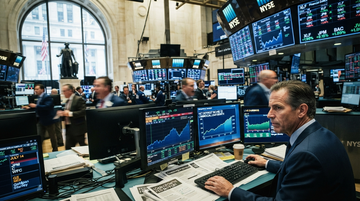
Bank Stocks Enter Earnings Season with the Fed Still on Their Side
Banks are rallying into Q2 earnings because capital markets are active, commercial loans are growing, and rates are still supportive of net interest income. The real risk is valuation, not the economy.

Boeing's Fourth 737 Line Is a Capacity Signal, Not a Victory Lap
The North Line in Everett pushes Boeing toward a 47 jets-per-month 737 rate. That is good news, but only because it shows the company is still trying to convert operational recovery into cash flow.

Canada Tariff Shock Reopens the Trade War Discount
A 35% tariff on many Canadian imports is not just a political headline. It is a tax on the most integrated bilateral supply chain in North America, and the market should price it as an inflation, margin, and FX event.

Canada's 35% Tariff Threat Reprices North American Trade
A 35% tariff on many Canadian imports is a direct hit to the North American supply chain. It pressures energy, autos, industrial margins, and eventually inflation.

Circle's Bank Charter Makes USDC a Wall Street Infrastructure Story
The OCC approval gives Circle federal oversight and turns a crypto stock into a regulated payments-infrastructure play.
What to expect
Evidence-first notes with a visible point of view.
This section collects sharp takes on earnings, shareholder meetings, and market structure. Each new piece should make the thesis, the facts, and the implications obvious within the first few screens.
Expect direct analysis, not generic commentary.
Expect the data to be explicit and the argument to be easy to follow.
Plutux is not an investment adviser. Market data and AI-generated analysis are for information and education only, not investment advice. Disclaimer