Latest
The day's market news, with the argument attached
New notes every trading day on earnings, policy and market structure. Each one opens with the conclusion, then the evidence, then the companies it hits.
2026-09-01
%22%2F%3E%0A%20%20%3Ccircle%20cx%3D%22220%22%20cy%3D%22150%22%20r%3D%22180%22%20fill%3D%22%2322d3ee%22%20fill-opacity%3D%220.12%22%2F%3E%0A%20%20%3Ccircle%20cx%3D%221010%22%20cy%3D%22130%22%20r%3D%22220%22%20fill%3D%22%2338bdf8%22%20fill-opacity%3D%220.08%22%2F%3E%0A%20%20%3Ccircle%20cx%3D%22920%22%20cy%3D%22520%22%20r%3D%22170%22%20fill%3D%22%2322d3ee%22%20fill-opacity%3D%220.06%22%2F%3E%0A%20%20%3Cpath%20d%3D%22M140%20430h920%22%20stroke%3D%22url(%23line)%22%20stroke-width%3D%2212%22%20stroke-linecap%3D%22round%22%2F%3E%0A%20%20%3Cpath%20d%3D%22M220%20360c120-150%20260-220%20380-220s260%2070%20380%20220%22%20fill%3D%22none%22%20stroke%3D%22%2367e8f9%22%20stroke-opacity%3D%220.5%22%20stroke-width%3D%2216%22%20stroke-linecap%3D%22round%22%20stroke-linejoin%3D%22round%22%2F%3E%0A%20%20%3Cpath%20d%3D%22M300%20398h600%22%20stroke%3D%22%2394a3b8%22%20stroke-opacity%3D%220.24%22%20stroke-width%3D%228%22%20stroke-linecap%3D%22round%22%2F%3E%0A%20%20%3Ctext%20x%3D%22220%22%20y%3D%22510%22%20fill%3D%22%23e2e8f0%22%20fill-opacity%3D%220.7%22%20font-family%3D%22Arial%2C%20Helvetica%2C%20sans-serif%22%20font-size%3D%2238%22%20letter-spacing%3D%228%22%3EINSIGHTS%3C%2Ftext%3E%0A%3C%2Fsvg%3E)

NIO's Q2 shows delivery growth can coexist with liquidity risk
NIO NIO reported Q2 FY2026 revenue of RMB32,136.9M and gross margin of 18.4% while still posting GAAP operating and net losses. The key investor test is whether the ONVO ramp can convert higher deliveries into cash-generation fast enough to extend the runway—because management’s “next twelve months” liquidity language is not the same as free-cash-flow durability.
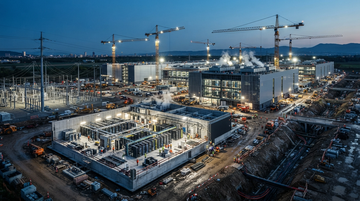
EU antitrust pressure on Oracle’s licensing mechanics turns AI capex into a regulatory cash-flow bet
Oracle’s EU antitrust overhang targets licensing practices that underpin its recurring revenue model—exactly the revenue stream investors rely on to fund aggressive AI data-center buildout. With Oracle reporting $55.7B in capex for fiscal 2026 and expecting the build to continue, the key investor question is whether regulatory remedies can slow the cash conversion that the capex plan requires.
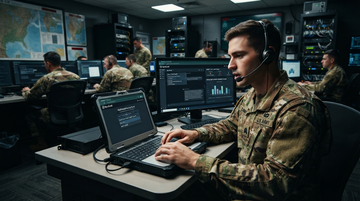
The Pentagon is productizing sovereign frontier AI—its own GenAI.mil rollout now lets soldiers chat with ChatGPT and Grok, and the winners may be the platforms that control access more than the labs that invent models
GenAI.mil is moving from pilots to a standardized enterprise portal that grants U.S. personnel access to frontier models, including OpenAI’s ChatGPT and xAI’s Grok, within defined impact-level controls. The decisive constraint is not model quality alone; it’s the Pentagon’s 30-day “public release” deployment cadence and the data-release governance that can either widen or lock down which providers get integrated fastest.

India’s “Urals stop-buy” risk: when a 100% secondary-tariff threat forces discount crude to reprice—tankers, refiners, and the diesel balance sheet
Washington’s 100% secondary-tariff threat on buyers of Russian oil turns energy sourcing into a live diplomatic lever for India. The shift matters because Urals discounts don’t just move barrel economics; they change the whole logistics stack and the regional product balance, where refinery runs, product spreads, and vessel earnings can move in the same quarters.

SEC’s 24-hour trading roundtable is really about nighttime price-quality—here’s who profits first
The SEC has scheduled a Sept. 17, 2026 public roundtable on preparations for 24-hour U.S. equity trading, with panels spanning market operators, broker-dealers, liquidity providers, and clearing/resiliency. The near-term “winners” are the firms built to manage inventory, spreads, and systems through overnight volatility—while the main risk to retail order flow is whether disclosure and routing keep up with fragmentation.
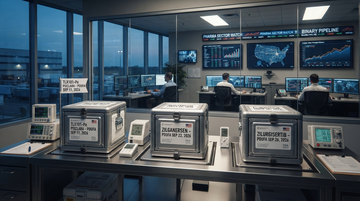
September’s 5 FDA binaries are real—but the “MRK” name doesn’t map to Merck & Co or Merck KGaA (yet)
Three of the five named September PDUFA binaries are anchored by primary company disclosures with specific decision dates: Telix Pharmaceuticals (Sep. 11), Ionis Pharmaceuticals (Sep. 22), and Mirum Pharmaceuticals (Sep. 26). For the other two names—Ultragenyx Pharmaceutical and “MRK”—the month’s slate appears to mix multiple products and/or renewals, so the “five binaries land in September” story is directionally useful but needs exact product-to-company confirmation before pricing math.

Oil back above $90 and September hike odds repriced—so why are stocks acting like fear is over?
When crude rips higher but equities barely flinch, it usually means the market is pricing “no recession” rather than “no inflation.” The real test is the jobs/ISM data and Broadcom guidance: if the labor/earnings binary breaks, the same calm that looks like “peak fear” can quickly turn into the next risk premium repricing.
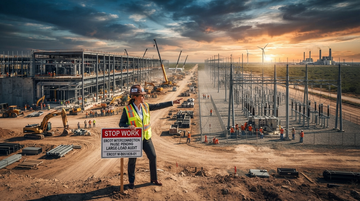
Texas freezes AI data-center “ghost demand” — and the scarcity-rent power trade just lost its clean story
Texas regulators moved to pause new ERCOT data-center grid connections pending an audit of large-load requests, challenging load forecasts built on speculative interconnection queues. That forces a re-check of the “AI power scarcity” thesis: the scarcity rent may still exist, but its timing and magnitude now hinge on how many of those requests actually energize and how quickly generators and wires can follow.

Texas’s AI “scarcity rent” is being earned inside merchant P&Ls — not paid for by customers that think they’re buying power
In ERCOT, the AI/data-center load wave doesn’t just raise prices—it shifts upside into the merchant stack with high hedge coverage. Vistra shows the core mechanic: when it hedges ~100% of 2026 volumes but only ~94% of 2027, the timing and roll risk of scarcity rent can dominate results even if generation economics look strong on the surface.

The “shoulder season” discount is evaporating—turning airfare savings into a year-round pricing-power test for Expedia, Booking Holdings, and airlines
New consumer pricing data show the gap between peak-season and shoulder-season fares is shrinking—so the market is moving from seasonal deal-making to sustained “peak-like” pricing. That shift matters because airlines and online travel agencies monetize pricing power through booking mix and yield, not just high-demand quarters.

Bessent’s Treasury buybacks aim to stop the bond market from turning into credit damage
On Aug. 19, 2026, the U.S. Treasury expanded its longer-dated nominal buybacks—raising the per-operation maximum to at least $4 billion effective Sept. 9, 2026—explicitly to add liquidity during a rates selloff. The investable takeaway is that when the Treasury curve starts behaving disorderly, the first transmission is not always “rates,” but funding stress that widens credit spreads and reprices duration across IG issuance and equity valuations—well before any clear policy win shows up.

DHS’s no-bid crypto tracing contract turns “regulated rails” into a political relitigation—who wins the custody/settlement race
A Department of Homeland Security award for crypto-tracing analytics—reported as a no-competitive-bidding deal to TRM Labs—has triggered a bid protest, making government “regulated-rails” vendors a near-term political battleground. The market-structure implication is simple: if custody/settlement permissions move under the CLARITY 2026 timeline, contract-award uncertainty can reprice which listed platforms are best positioned to scale the compliant stack.
2026-08-31

Adobe’s $4B “free AI” Saudi deal reframes AI pricing as a land-grab, not a metered toll
Adobe’s partnership with Saudi Arabia (via the MCIT/HUMAIN initiative) is committing to more than $4B of free access to AI-powered creative tools—an explicit counterpoint to the company’s usage-meter push. The market implication: Adobe is treating AI usage data as a funnel inside wealthy, fast-adopting ecosystems, while using “free for commitment” in sovereign growth markets where pricing power is earned later.

Zoom and Microsoft monetize meetings; Circleback’s new free tier shows the real battleground is whether AI notetakers can do the same
Circleback launched a true free plan with unlimited meetings and AI-generated notes/action items, while keeping longer history behind paid tiers. That move reframes the AI notetaker race as a distribution-and-conversion problem, not a model-quality contest—because the margin question is whether “zero-price” usage turns into paid retention and richer integrations across the meeting stack.

How an “ad auction” remedy could squeeze Amazon’s retail-media profit engine—and tilt ad budgets to rivals
The FTC and 22 states sued Amazon over allegations that it secretly inflated prices in its online advertising auctions for years, seeking injunctions and monetary relief. The economic risk for Amazon isn’t just refunds: a court-ordered change to disclosure and auction mechanics would directly attack the “toll” it charges sellers and brands—and could shift retail-media spend toward ad networks and retail-media platforms that can credibly offer cleaner, more verifiable pricing.

Aon's $17B USI purchase turns brokerage scale into a measurable valuation benchmark
Aon has signed an all-cash agreement to buy USI Insurance Services from KKR for $17B, setting a fresh pricing reference point for middle-market insurance distribution. The more actionable signal for public-broker investors is KKR’s exit economics—expected to generate about $3.3B of after-tax proceeds—because it reflects what private-asset holders now require to move. The same consolidation impulse also raises the odds of continued M&A pressure on rivals positioned to compete for US P&C and employee-benefits placement share.

BioNTech’s colorectal mRNA-vaccine trial stop spotlights a structural risk: FDA-style “safety first” scrutiny can break neoantigen optimism even after melanoma momentum
BioNTech and Genentech [BNT122/“autogene cevumeran”] stopped a Phase 2 resected colorectal-cancer trial after an independent DSMB flagged a numerical overall-survival imbalance and recommended terminating treatment, even without a newly disclosed safety signal. The timing—just days after Moderna and Merck celebrated Phase 3 [INTerpath-001] melanoma efficacy—shifts investor focus from endpoint math to trial design exposure, DSMB trigger thresholds, and what “safety-risk caps” mean for the personalized neoantigen class.

Bristol-Myers Squibb's Cellares exit shifts CAR-T CDMO economics from “capacity bet” to “qualification tax”
Bristol-Myers Squibb ended a CAR-T manufacturing capacity reservation and supply arrangement with Cellares after concluding Cellares’ Cell Shuttle system could not meet specific regulatory requirements for Breyanzi. The breakup turns a high-visibility outsourced-manufacturing bet into a cautionary model: CDMO success hinges less on throughput promises and more on process-control qualification—especially when commercial-scale dosing is at stake.

California’s failed wildfire-liability rewrite just repriced the cost of capital for PG&E: equity risk is rising right when the grid needs cash
Gov. Newsom pulled back on the plan that would have shifted more wildfire-loss costs away from investor-owned utilities, tightening the link between wildfire outcomes and utility earnings/capital structure. As PG&E and peers re-enter a more “uncapped” risk regime, investors are treating it as a pure cost-of-capital shock—one that regulators can’t instantly neutralize without pushing losses into insurers, bondholders, and ultimately ratepayers later.

Caterpillar turns mining autonomy into an industrial-AI “deployment engine” — the real bet is whether it monetizes outcomes, not models
Caterpillar says it is applying what it learned from automating mining to “much more dynamic environments” like jobsites and quarries, using edge AI to run real-time inference on equipment. The investment question is whether Cat’s domain know-how becomes a recurring software/services revenue stream—or just raises CapEx demand for every AI layer in the stack.
What to expect
Evidence-first notes with a visible point of view.
This section collects sharp takes on earnings, shareholder meetings, and market structure. Each new piece should make the thesis, the facts, and the implications obvious within the first few screens.
Expect direct analysis, not generic commentary.
Expect the data to be explicit and the argument to be easy to follow.
Plutux is not an investment adviser. Market data and AI-generated analysis are for information and education only, not investment advice. Disclaimer