Ternium S.A. (NYSE: TX) is an international steel enterprise engaged primarily in the production, processing, and sale of steel products, supported by raw-material sourcing through iron ore and pellet-related activities. The company is widely known for supplying both high-volume industrial markets and large and smaller customers in sectors such as ...Ternium S.A. (NYSE: TX) is an international steel enterprise engaged primarily in the production, processing, and sale of steel products, supported by raw-material sourcing through iron ore and pellet-related activities. The company is widely known for supplying both high-volume industrial markets and large and smaller customers in sectors such as construction and housing, transportation and automotive, appliances, packaging, agriculture, energy, and other industrial end markets.
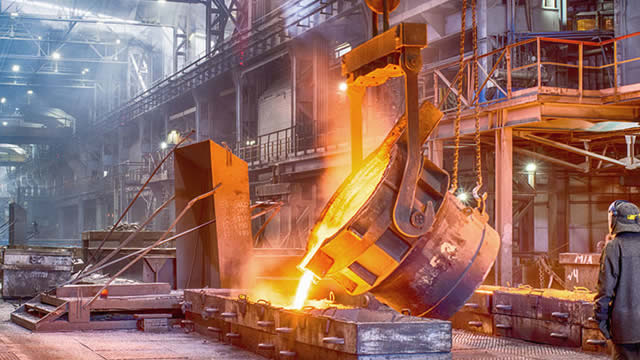
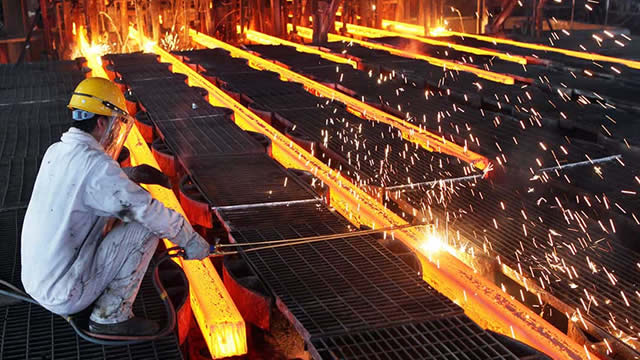
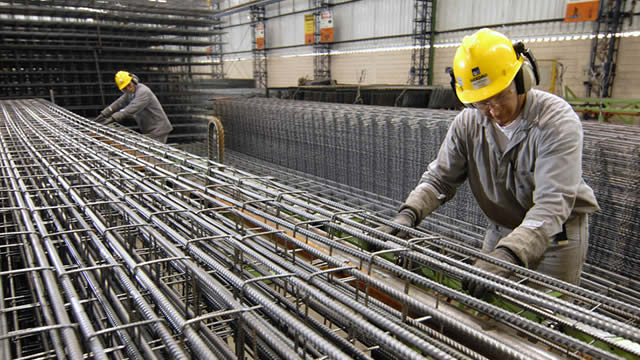
Business structure and operations: Ternium operates through two principal business areas. The Steel segment manufactures and sells a wide catalog of steel goods—ranging from semi-finished inputs such as slabs and billets, and hot-rolled flat products, to finished long and flat products including reinforcing bars, beams, tubes, and specialized construction-related items (for example, insulated panels, roofing, and pre-engineered metal systems). In addition to standard steel production, the steel business also supplies pig iron and energy. Alongside manufacturing, the company also supports related downstream and enabling activities such as scrap management and distribution, as well as certain engineering and social/medical services.
The Mining-related segment focuses on providing essential raw materials—particularly iron ore and pellets—helping to support the steel value chain. This integrated approach is important because steelmaking is highly sensitive to raw-material availability and pricing, and because the quality and supply continuity of inputs can influence production schedules and customer delivery performance.
Geographic footprint: Ternium’s market presence spans Mexico, Argentina, Brazil, the United States, and additional countries across Central and South America, enabling it to serve regional industrial ecosystems and infrastructure development needs.
Products and customer value: Customers generally include large industrial corporations as well as smaller enterprises that require consistent quality and supply of steel for structural and manufacturing purposes. Ternium’s product breadth supports end-to-end demand—from construction-grade reinforcing and structural shapes to more specialized building and industrial components.
Scale and workforce: Publicly available metrics in the provided sources indicate a workforce of roughly 33,000 employees worldwide (with total employees reported in the low-to-mid 30,000s in recent years). This places the company in the large-cap employee bracket, reflecting an operations-intensive manufacturing business.
Financial signals (from provided dataset): The dataset indicates a market capitalization on the order of ~$10.9B, and recent valuation and profitability metrics typical of a cyclical basic materials company. It also shows a dividend per share figure and a dividend yield estimate consistent with distributing cash to shareholders when conditions allow. On the cash-flow side, the dataset includes measures of free cash flow that can be negative in some periods, which is not unusual for capital-intensive industrial manufacturers when capex and working-capital needs move with the cycle.
Cost and BOM perspective: As a steel producer, Ternium’s cost structure is typically driven by iron ore/pellet and other raw-material costs, energy and utilities, freight/logistics, labor, and consumables, alongside ongoing maintenance and capital expenditures for mills and processing equipment. Therefore, raw-material sourcing (including mining-related activities) and production efficiency are key levers that affect gross margin and operating profitability.
Key leadership: Maximo Vedoya serves as Chief Executive Officer, following an internal leadership progression within the Ternium organization.
Overall, Ternium aims to sustain profitable steel production and value creation across the cycle by combining manufacturing scale, regional market access, and support from raw-material supply, while managing investment needs and working-capital dynamics typical of steel and mining-linked industries.
YoYYoY means Year-over-Year. It compares the latest annual value with the previous annual value to show long-term trend strength.
QoQQoQ means Quarter-over-Quarter. It compares the latest quarter with the immediately previous quarter to show short-term momentum changes.
RevenueThe total money that came through the front door from selling things, before paying a single bill. Think of it as the grand total of every credit card swipe from customers. (YoY compares this year to last year's performance, while QoQ compares the current three months to the previous three).
$15.6B
-11.6%
+10.3%
Net IncomeThe absolute bottom line. If the company paid every single supplier, employee, banker, and tax collector, this is the actual money left in their pocket at the end of the day.
$425.2M
+892.3%
+61.3%
Gross MarginThe basic markup. If they sell a $100 pair of sneakers, this percentage tells you how much of that price tag is profit right after paying for the rubber and shoelaces, but before paying for things like store rent or TV commercials.
+15.0%
-8.4%
+24.2%
Operating MarginThe 'day job' efficiency score. Out of every dollar a customer spends, this shows how many cents the company keeps after making the product AND paying for all the everyday corporate overhead (like salaries, marketing, and keeping the lights on).
+4.5%
-36.9%
+65.1%
Net MarginThe final take-home percentage. When you strip away every conceivable cost, tax, and interest payment, this is the exact number of cents the company truly gets to keep from every dollar in sales.
+2.7%
+995.8%
+46.2%
Free Cash FlowThe holy grail of corporate cash. It's the spendable, physical money left over after the business pays for its daily operations AND buys the big, expensive upgrades (like new factories or servers) it needs to survive. This is the 'free' money they can use to pay dividends or buy back stock.
$-187.2M
-559.6%
+7.2%
FCF MarginThe ultimate cash conversion rate. It shows how good the company is at turning regular sales directly into cold, hard, spendable cash. A high percentage means the business is an absolute cash-printing machine.
-1.2%
-619.7%
+15.9%
Debt / EquityThe financial risk gauge. It compares how much of the company's empire was built using borrowed money (loans) versus the owners' own money (shareholders). A high number means they are heavily leveraged and playing a riskier game; a low number means they are playing it safe.
21.8%
+45.5%
-1.1%
Current RatioThe 12-month survival check. It simply compares the cash they have right now (plus things they can quickly turn into cash) against the immediate bills they absolutely must pay this year. A score above 1 means they have enough in the wallet to cover the upcoming bills without panicking.
2.49x
-13.6%
-1.9%
Total AssetsThe absolute size of the company's empire. It bundles together absolutely everything of value they own—from the cash in the register and the inventory in the warehouse, to the software patents in the vault and the factories on the ground.
Operator: Good morning, ladies and gentlemen. Welcome to Ternium's Conference Call to Discuss the Results for the Second Quarter 2026. We would like to inform you that this event is being recorded. [Operator Instructions] We would like to remind you that this conference call is intended exclusively for investors and market analysts. We request you that questions from journalists be dedicated to the media relations through our website in the press section. With this, I would like now to turn the floor over to Mr. Sebastián Martí. You may proceed.
Sebastián Martí: Okay. It seems we had some technical issues. I hope you can hear us now. Okay. Let's go again. Good morning, and thank you for joining us today. My name is Sebastián Martí, and I am Ternium's Global IR and Compliance Senior Director. Yesterday, we announced our financial results for the second quarter and first half of 2026. Today's call is intended to provide additional context to that presentation. I'm joined by Maximo Vedoya, Ternium's Chief Executive Officer; and Pablo Brizzio, the company's Chief Financial Officer, who will discuss Ternium's operating environment and performance. Following our prepared remarks, we will open up the call to your questions. Before we begin, I would like to remind you that this conference call contains forward-looking information and that actual results may vary from those expressed or implied. Factors that could affect results are contained in our filings with the Securities and Exchange Commission and on Page 2 in today's webcast presentation. You will also find any reference to non-IFRS financial measures reconciled to the most directly comparable IFRS measures in the press release issued yesterday. With that, I'll turn the call over to Mr. Vedoya.
Maximo Vedoya: Good morning, everyone, and thank you for joining us. Yesterday, we reported a significant increase in Ternium's results in the second quarter. Adjusted EBITDA was 50% higher sequentially, and our EBITDA margin reached 16.5%. Our balance sheet remain strong [indiscernible] $112 million. And with the peak of our investment program in Mexico behind us, we expect capital expenditures to keep declining further down the road. Before turning to our markets, let me say a few words on safety. Two weeks ago, we held Ternium's Safety Week, which we run every year across all of our operations. We stopped our production lines and more than 21,000 people took part in safety awareness routines. Stopping production across the company sends a clear message of our priority. Moving to Mexico. Shipments increased and margin expanded. The business environment is slowly getting better. Government measures against unfair trade are already helping steel volumes recover, and the country continues to strengthen its trade defenses. The commercial market improved during the quarter, supported by restocking along the value chain, which is bringing inventories back to a more balanced level. We are also gaining market …