Macy's, Inc. is a prominent retail enterprise that employs an omnichannel strategy, serving customers through its extensive network of physical department stores, ...
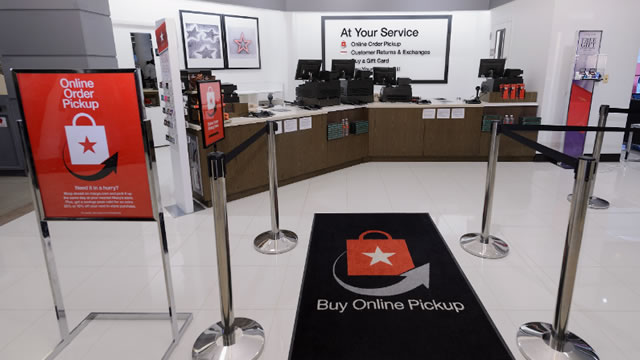
Macy's, Inc. is a prominent American retailer that has evolved from a single dry goods store founded by Rowland Hussey Macy in 1858 into a major omnichannel enterprise. The company operates through three main brands: Macy's, Bloomingdale's, and Bluemercury. Macy's is the flagship chain, offering a broad assortment of merchandise ...Macy's, Inc. is a prominent American retailer that has evolved from a single dry goods store founded by Rowland Hussey Macy in 1858 into a major omnichannel enterprise. The company operates through three main brands: Macy's, Bloomingdale's, and Bluemercury. Macy's is the flagship chain, offering a broad assortment of merchandise such as apparel and accessories for men, women, and children, cosmetics, home furnishings, and other general consumer goods. Bloomingdale's targets a more upscale market, while Bluemercury specializes in beauty and spa products. As of the latest reported data, the company employs approximately 90,000 full-time employees and operates around 725 department stores across the United States, including locations in Puerto Rico and Guam, with additional international presence through licensing agreements in the Middle East.
Macy's has made significant strides in digital transformation, launching an online marketplace in 2022 to expand its product offerings and enhance customer experience. The company's financial performance reflects its scale and operational efficiency. With a market capitalization of about $6.68 billion, Macy's generates substantial revenue, evidenced by a price-to-sales ratio of 0.294. The company maintains a gross profit margin of 36.5% and a net profit margin of 2.9%, indicating effective cost management despite a highly competitive retail environment. Macy's has a strong balance sheet with a current ratio of 1.475 and manageable leverage, with a debt-to-equity ratio of 1.056. The company generates healthy cash flows from operations, with operating cash flow per share of $6.755 and free cash flow per share of $5.681, supporting its dividend payments. Macy's is led by Chairman and CEO Tony Spring, who has been with the company for many years and is focused on driving growth through innovation and customer-centric strategies. The company continues to face challenges from changing consumer preferences and e-commerce competition, but remains a key player in the retail sector, committed to providing quality products and services to its diverse customer base.
YoYYoY means Year-over-Year. It compares the latest annual value with the previous annual value to show long-term trend strength.
QoQQoQ means Quarter-over-Quarter. It compares the latest quarter with the immediately previous quarter to show short-term momentum changes.
RevenueThe total money that came through the front door from selling things, before paying a single bill. Think of it as the grand total of every credit card swipe from customers. (YoY compares this year to last year's performance, while QoQ compares the current three months to the previous three).
$22.6B
-1.7%
-38.2%
Net IncomeThe absolute bottom line. If the company paid every single supplier, employee, banker, and tax collector, this is the actual money left in their pocket at the end of the day.
$642.0M
+10.3%
-87.5%
Gross MarginThe basic markup. If they sell a $100 pair of sneakers, this percentage tells you how much of that price tag is profit right after paying for the rubber and shoelaces, but before paying for things like store rent or TV commercials.
+36.5%
-9.3%
+55.7%
Operating MarginThe 'day job' efficiency score. Out of every dollar a customer spends, this shows how many cents the company keeps after making the product AND paying for all the everyday corporate overhead (like salaries, marketing, and keeping the lights on).
+4.6%
+15.2%
-82.5%
Net MarginThe final take-home percentage. When you strip away every conceivable cost, tax, and interest payment, this is the exact number of cents the company truly gets to keep from every dollar in sales.
+2.8%
+12.2%
-79.9%
Free Cash FlowThe holy grail of corporate cash. It's the spendable, physical money left over after the business pays for its daily operations AND buys the big, expensive upgrades (like new factories or servers) it needs to survive. This is the 'free' money they can use to pay dividends or buy back stock.
$1.1B
+39.1%
-82.4%
FCF MarginThe ultimate cash conversion rate. It shows how good the company is at turning regular sales directly into cold, hard, spendable cash. A high percentage means the business is an absolute cash-printing machine.
+4.7%
+41.4%
-71.5%
Debt / EquityThe financial risk gauge. It compares how much of the company's empire was built using borrowed money (loans) versus the owners' own money (shareholders). A high number means they are heavily leveraged and playing a riskier game; a low number means they are playing it safe.
107.1%
-14.6%
-1.4%
Current RatioThe 12-month survival check. It simply compares the cash they have right now (plus things they can quickly turn into cash) against the immediate bills they absolutely must pay this year. A score above 1 means they have enough in the wallet to cover the upcoming bills without panicking.
1.49x
+3.7%
-0.7%
Total AssetsThe absolute size of the company's empire. It bundles together absolutely everything of value they own—from the cash in the register and the inventory in the warehouse, to the software patents in the vault and the factories on the ground.
Operator: Greetings, and welcome to the Macy's, Inc. First Quarter 2026 Earnings Call. [Operator Instructions] As a reminder, this conference is being recorded. I would now like to turn the call over to Pamela Quintiliano VP of Investor Relations. Pamela, please go ahead.
Pamela Quintiliano: Thank you, operator. Good morning, everyone, and thanks for joining us. With me on the call today are Tony Spring, our Chairman and CEO; and Tom Edwards, our COO and CFO. Along with our first quarter 2026 press release, a Form 8-K has been filed with the Securities and Exchange Commission, and the presentation has been posted on the Investors section of our website, macysinc.com and is being displayed live during today's webcast. Unless otherwise noted, the comparisons we provide will be versus 2025. All references to our prior expectations, outlook or guidance refer to information provided on our March 18 earnings call. On today's call, we will refer to certain non-GAAP financial measures. Reconciliations of these measures can be found in our earnings presentation and SEC filings available at www.macysinc.com/investors/. All references to comp sales throughout today's prepared remarks represent comparable owned plus licensed plus marketplace sales unless otherwise noted. All reported nameplate comp sales results are on a go-forward basis. Go forward, Macy's Inc. comp sales include the approximately 350 Macy's go-forward locations in digital and Bloomingdale's and Bluemercury nameplates inclusive of stores and Digital. Go-forward Macy's nameplate comp sales include the approximately 350 Macy's go-forward locations and Macy's Digital. Go-forward Bloomingdale's and go-forward Bluemercury comp sales include all store locations in digital. As a reminder, on February 18, we announced an update to our non-GAAP financial disclosures, the details of which are available in the Form 8-K. These changes do not impact our historical or future GAAP metrics and disclosures. The updated disclosures, which encompass comparable sales, OLM dollar sales, revenues and non-GAAP earnings are intended to both simplify disclosures and provide increased clarity on the key metrics that support our growth profile and go-forward operating performance. Beginning this quarter, adjusted earnings metrics reflect our new non-GAAP metrics. All forward-looking statements are subject to the safe harbor provisions of the Private Securities Litigation Reform Act of 1995. These forward-looking statements are subject to risks and uncertainties that could cause actual results to differ materially from the expectations and assumptions mentioned today. A detailed discussion of these factors and uncertainties is contained in our filings with the SEC. Today's call is being webcast on our website. A replay will be available approximately two hours after the conclusion of this call. With that, I'll turn it over to Tony.
Antony Spring: Thank you, Pam. Good morning, and thank you for joining us today. I'm …