%22%2F%3E%0A%20%20%3Ccircle%20cx%3D%22220%22%20cy%3D%22150%22%20r%3D%22180%22%20fill%3D%22%2322d3ee%22%20fill-opacity%3D%220.12%22%2F%3E%0A%20%20%3Ccircle%20cx%3D%221010%22%20cy%3D%22130%22%20r%3D%22220%22%20fill%3D%22%2338bdf8%22%20fill-opacity%3D%220.08%22%2F%3E%0A%20%20%3Ccircle%20cx%3D%22920%22%20cy%3D%22520%22%20r%3D%22170%22%20fill%3D%22%2322d3ee%22%20fill-opacity%3D%220.06%22%2F%3E%0A%20%20%3Cpath%20d%3D%22M140%20430h920%22%20stroke%3D%22url(%23line)%22%20stroke-width%3D%2212%22%20stroke-linecap%3D%22round%22%2F%3E%0A%20%20%3Cpath%20d%3D%22M220%20360c120-150%20260-220%20380-220s260%2070%20380%20220%22%20fill%3D%22none%22%20stroke%3D%22%2367e8f9%22%20stroke-opacity%3D%220.5%22%20stroke-width%3D%2216%22%20stroke-linecap%3D%22round%22%20stroke-linejoin%3D%22round%22%2F%3E%0A%20%20%3Cpath%20d%3D%22M300%20398h600%22%20stroke%3D%22%2394a3b8%22%20stroke-opacity%3D%220.24%22%20stroke-width%3D%228%22%20stroke-linecap%3D%22round%22%2F%3E%0A%20%20%3Ctext%20x%3D%22220%22%20y%3D%22510%22%20fill%3D%22%23e2e8f0%22%20fill-opacity%3D%220.7%22%20font-family%3D%22Arial%2C%20Helvetica%2C%20sans-serif%22%20font-size%3D%2238%22%20letter-spacing%3D%228%22%3EINSIGHTS%3C%2Ftext%3E%0A%3C%2Fsvg%3E)
Data centers • Energy • Power grid constraints
Fuel-first site control is the new interconnect strategy
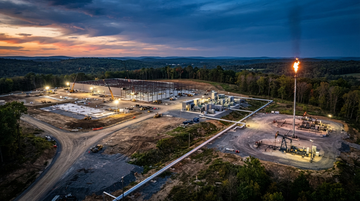
A Reuters report says Alpha Compute ALP is planning to buy Pennsylvania land together with gas rights to support a 55MW data-center campus. The core market implication is not the MW count—it’s the contracting order: instead of waiting on a grid interconnect slot and then trying to secure generation inputs, the developer is (reportedly) securing the upstream fuel rights as part of “site control.” This reframes interconnect risk as a secondary variable for AI builds in PJM-adjacent Pennsylvania supply basins.
What’s verified vs. what’s not disclosed
Verified: the reported deal size and asset class; not verified: the counterparty and exact terms
From the accessible primary reporting snippet, the verified elements are: (1) Alpha Compute ALP, (2) Pennsylvania, (3) land plus gas rights, and (4) a $55 million headline figure tied to the campus plan (55MW referenced in the theme of the report). Details that matter for investors—but were not available in the accessible primary text—include: the seller(s) of the gas rights, whether the rights are full-well or gathering/transport-linked, the duration/volume, and whether the campus already has generation-offtake or simply fuel optionality.
Supply-chain map
Where this sits in the stack: rights → gas supply → power module → campus uptime
- Upstream rights (reported) turn fuel availability into a contractual asset, rather than a later negotiation.
- Fuel supply and transportation then determine delivered gas cost and reliability (site-adjacent interconnect is only half the risk).
- Power generation procurement and construction translate fuel certainty into campus construction schedules.
For data centers, uptime and commissioning timelines are existential: a campus may secure land and permits yet still miss revenue due to delayed power delivery. A fuel-rights anchor attacks that failure mode earlier in the chain. The result is a different bargaining dynamic with the utility (electricity) versus with gas market actors (fuel).
Why this matters to midstream operators
A small developer can still restructure bargaining power versus large utilities
Midstream and gas logistics economics are typically downstream of production and upstream of power generation—precisely where “site control” can shift. If multiple campuses start competing for delivered gas reliability, midstream operators with controllable transport and gas supply relationships can see (a) steadier demand visibility and (b) stronger ability to price contracts with fewer volume surprises.
Company fundamentals context
Alpha Compute’s public financial profile suggests the story is execution-dependent
FY2026 (year ended Mar 31, 2026) revenue
$0.10M
FY2026, reported (quarterly/annual filings basis used for the figure); shows early-stage scale
FY2026 net operating cash flow
-$20.5M
FY2026, reported; cash burn remains material
FY2026 cash & cash equivalents + short-term investments
$1.80M
FY2026 balance sheet, reported as of Mar 31, 2026
Current ratio
0.31
FY2026 current ratio; indicates tighter near-term liquidity headroom
Those numbers don’t prove or disprove the Pennsylvania plan; they do change how aggressively investors should handicap execution risk. In other words, a fuel-rights anchor only becomes equity value if ALP can fund development (land payments, rights-to-power arrangements, and project finance) and then convert the gas rights into enforceable generation fuel contracts.
Short-term vs. long-term investment implications
Catalysts likely hinge on contract detail, not on the 55MW label
Alpha Compute liquidity and cash burn context (FY2024–FY2026)
Illustrative: operating cash flow and cash balance to frame execution capacity; figures are company-reported via published financial statements.
Unit: USD
FY2024 operating cash flow
FY2024 net cash provided by operating activities
-14,297,000
FY2025 operating cash flow
FY2025 net cash provided by operating activities
-5,462,000
FY2026 operating cash flow
FY2026 net cash provided by operating activities
-20,548,000
- Near-term (days–quarters): follow filings and deal documentation for (1) seller identity, (2) volume/tenor of gas rights, and (3) whether the campus already has a power build plan tied to those rights.
- Medium-term (1–3 years): value should track how many data-center megawatts can be fed from rights-backed pathways, shifting “site control” metrics from grid agreements to upstream fuel contracting.
Investor checklist
What to verify before treating this as a replicable template
- Rights quality: confirm whether gas rights include production volume and whether they’re insulated from operational constraints.
- Bankability: verify if the gas rights are sufficient to support a generation procurement contract without additional long-term take-or-pay structures.
- Pipeline/transport link: determine whether transport capacity is already secured or whether the project faces a second queue (midstream logistics).
- Interconnect sequencing: check whether the project is designed around “behind-the-meter” generation or a grid-first electricity delivery model.
Listed market references most exposed to delivered-gas contracting for new power demand
- A fuel-rights-first data-center strategy increases the odds of incremental gas supply contracts in Appalachia over the next 12–24 months if volumes are substantiated.
- Contract visibility could improve utilization assumptions versus a grid-only pipeline where power timing is uncertain, but only if rights translate into firm offtakes.
- If data-center campuses require dependable delivered gas, transport-focused assets can gain pricing power on firm capacity in quarters after contracts are finalized.
- A fuel-rights template could shift negotiating leverage toward midstream networks with spare/controllable capacity.
- Delivered-gas reliability demand can raise the value of logistics capacity when power is constrained by interconnect timelines.
- Upside depends on whether new data-center projects require additional transport headroom rather than only production-side balancing.
- Even with fuel-first planning, electric interconnect remains the hard constraint, so any acceleration is capped by grid upgrade schedules over coming quarters.
- If more demand is shaped into “behind-the-meter” gas generation, utility load growth could disappoint versus flat-footed assumptions.