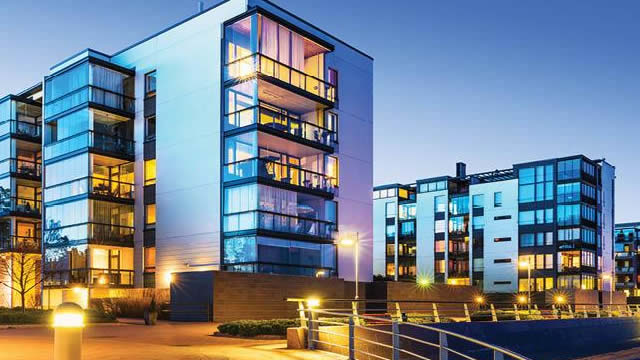
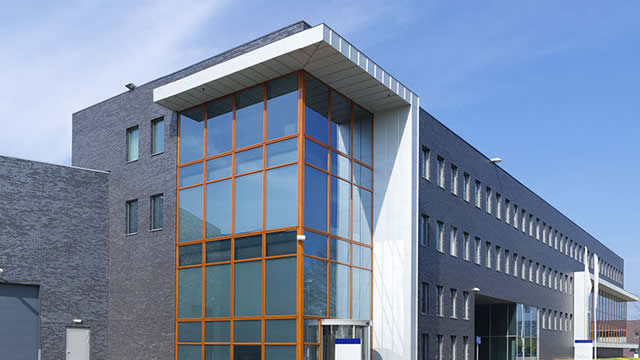
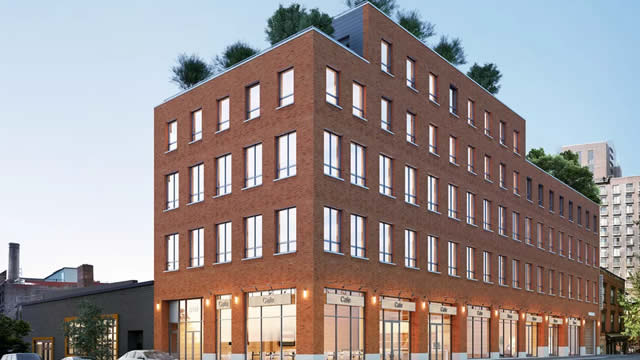
UDR, Inc. (NYSE: UDR) is a prominent multifamily real estate investment trust (REIT) headquartered in Highlands Ranch, Colorado. Founded in 1972, the company has evolved into one of the largest publicly traded apartment REITs in the United States, with a market capitalization of approximately $12.3 billion as of early 2025. ...UDR, Inc. (NYSE: UDR) is a prominent multifamily real estate investment trust (REIT) headquartered in Highlands Ranch, Colorado. Founded in 1972, the company has evolved into one of the largest publicly traded apartment REITs in the United States, with a market capitalization of approximately $12.3 billion as of early 2025. UDR's business model focuses on the ownership, operation, acquisition, disposition, development, and redevelopment of upscale apartment communities in high-barrier-to-entry markets along the East and West Coasts, as well as select Sun Belt regions. As of December 31, 2024, the company employed 1,419 full-time associates and managed or co-owned over 51,000 apartment homes, with an additional 1,000+ units under development.
UDR generates revenue primarily through rental income and related fees. The company's financial performance is robust, with a revenue per share of $5.28 and a net profit margin of approximately 30%. Its dividend yield is 3.7%, reflecting a commitment to returning value to shareholders. The company maintains a leveraged balance sheet with a debt-to-equity ratio of 2.04, typical for REITs, and a strong interest coverage ratio of 2.47. UDR's operational efficiency is demonstrated by its operating cash flow per share of $2.74 and a free cash flow per share of $2.84.
UDR's strategy includes a diversified portfolio of Class A and Class B communities, catering to a broad demographic of renters. The company emphasizes excellent resident services and sustainable practices, investing in property enhancements and community amenities. Key executives include CEO and Chairman Thomas W. Toomey, who has led the company for over 15 years, and CFO Joseph D. Fisher. UDR is committed to long-term growth through strategic acquisitions and development, while maintaining a strong balance sheet and shareholder-friendly policies. The company's performance is closely tied to the multifamily housing market, which benefits from demographic trends and a strong rental demand environment. With a beta of 0.695, UDR offers relatively low volatility compared to the broader market, making it an attractive investment for income-oriented investors. Overall, UDR continues to solidify its position as a premier apartment REIT, focused on delivering consistent returns and enhancing shareholder value.
YoYYoY means Year-over-Year. It compares the latest annual value with the previous annual value to show long-term trend strength.
QoQQoQ means Quarter-over-Quarter. It compares the latest quarter with the immediately previous quarter to show short-term momentum changes.
RevenueThe total money that came through the front door from selling things, before paying a single bill. Think of it as the grand total of every credit card swipe from customers. (YoY compares this year to last year's performance, while QoQ compares the current three months to the previous three).
$1.7B
+2.4%
-0.1%
Net IncomeThe absolute bottom line. If the company paid every single supplier, employee, banker, and tax collector, this is the actual money left in their pocket at the end of the day.
$377.7M
+321.6%
-63.6%
Gross MarginThe basic markup. If they sell a $100 pair of sneakers, this percentage tells you how much of that price tag is profit right after paying for the rubber and shoelaces, but before paying for things like store rent or TV commercials.
+25.6%
+2.6%
+7.9%
Operating MarginThe 'day job' efficiency score. Out of every dollar a customer spends, this shows how many cents the company keeps after making the product AND paying for all the everyday corporate overhead (like salaries, marketing, and keeping the lights on).
+18.8%
+10.6%
-59.7%
Net MarginThe final take-home percentage. When you strip away every conceivable cost, tax, and interest payment, this is the exact number of cents the company truly gets to keep from every dollar in sales.
+22.1%
+311.6%
-63.6%
Free Cash FlowThe holy grail of corporate cash. It's the spendable, physical money left over after the business pays for its daily operations AND buys the big, expensive upgrades (like new factories or servers) it needs to survive. This is the 'free' money they can use to pay dividends or buy back stock.
$613.9M
+1.5%
+138.6%
FCF MarginThe ultimate cash conversion rate. It shows how good the company is at turning regular sales directly into cold, hard, spendable cash. A high percentage means the business is an absolute cash-printing machine.
+35.9%
-0.9%
+138.9%
Debt / EquityThe financial risk gauge. It compares how much of the company's empire was built using borrowed money (loans) versus the owners' own money (shareholders). A high number means they are heavily leveraged and playing a riskier game; a low number means they are playing it safe.
188.2%
+7.8%
+14.7%
Current RatioThe 12-month survival check. It simply compares the cash they have right now (plus things they can quickly turn into cash) against the immediate bills they absolutely must pay this year. A score above 1 means they have enough in the wallet to cover the upcoming bills without panicking.
3.31x
+749.9%
-69.1%
Total AssetsThe absolute size of the company's empire. It bundles together absolutely everything of value they own—from the cash in the register and the inventory in the warehouse, to the software patents in the vault and the factories on the ground.
Operator : Greetings. Welcome to UDR's Second Quarter 2026 Earnings Call. [Operator Instructions] As a reminder, this conference is being recorded. It is now my pleasure to introduce your host, Vice President of Investor Relations, Trent Trujillo. Thank you, Mr. Trujillo. You may begin.
Trent Trujillo : Thank you, and welcome to UDR's quarterly financial results conference call. Our press release and supplemental disclosure package were distributed yesterday afternoon and posted to the Investor Relations section of our website, ir.udr.com. In the supplement, we have reconciled all non-GAAP financial measures to the most directly comparable GAAP measure in accordance with Reg G requirements. Statements made during this call, which are not historical, may constitute forward-looking statements. Although we believe the expectations reflected in any forward-looking statements are based on reasonable assumptions, we can give no assurance that our expectations will be met. A discussion of risks and risk factors are detailed in our press release and included in our filings with the SEC. We do not undertake a duty to update any forward-looking statements. When we get to the question-and-answer portion, to be respectful of everyone's time and in an attempt to complete our call within 1 hour, we will limit questions to 1 per analyst. We kindly ask that you rejoin the queue if you have a follow-up question or additional items to discuss. Management will be available after the call to address any questions that did not get answered during the Q&A session today. I will now turn over the call to UDR's Chairman, President and CEO, Tom Toomey.
Tom Toomey : Thank you, Trent, and welcome to UDR's Second Quarter 2026 Conference Call. Presenting on the call with me today are Chief Operating Officer, Mike Lacy; Chief Financial Officer, Dave Bragg; and Senior Officer, Chris Van Ens, who will be available during the Q&A portion of the call. To begin, the fundamentals of the apartment industry have been favorable in 2026, specifically employment growth has exceeded consensus expectations. Housing affordability remains in favor of renting relative to homeownership and new supply of apartment homes continues to abate. This backdrop, combined with our execution across operations and capital allocation, produced second quarter results that exceeded our expectations. In turn, this led us to raise our full year same-store growth and FFOA per share guidance. Operationally, we performed exceptionally well. The apartment industry is strengthening, but what differentiates UDR is our data-driven capabilities, continuous innovation and disciplined execution. Mike will elaborate on our operating strategies and tactics employed to generate results that delivered more cash to our bottom line. As it relates to capital allocation, we follow a data-driven approach to risk-adjusted returns when determining sources and uses of capital, which we visualize through a heat map. This …