%22%2F%3E%0A%20%20%3Ccircle%20cx%3D%22220%22%20cy%3D%22150%22%20r%3D%22180%22%20fill%3D%22%2322d3ee%22%20fill-opacity%3D%220.12%22%2F%3E%0A%20%20%3Ccircle%20cx%3D%221010%22%20cy%3D%22130%22%20r%3D%22220%22%20fill%3D%22%2338bdf8%22%20fill-opacity%3D%220.08%22%2F%3E%0A%20%20%3Ccircle%20cx%3D%22920%22%20cy%3D%22520%22%20r%3D%22170%22%20fill%3D%22%2322d3ee%22%20fill-opacity%3D%220.06%22%2F%3E%0A%20%20%3Cpath%20d%3D%22M140%20430h920%22%20stroke%3D%22url(%23line)%22%20stroke-width%3D%2212%22%20stroke-linecap%3D%22round%22%2F%3E%0A%20%20%3Cpath%20d%3D%22M220%20360c120-150%20260-220%20380-220s260%2070%20380%20220%22%20fill%3D%22none%22%20stroke%3D%22%2367e8f9%22%20stroke-opacity%3D%220.5%22%20stroke-width%3D%2216%22%20stroke-linecap%3D%22round%22%20stroke-linejoin%3D%22round%22%2F%3E%0A%20%20%3Cpath%20d%3D%22M300%20398h600%22%20stroke%3D%22%2394a3b8%22%20stroke-opacity%3D%220.24%22%20stroke-width%3D%228%22%20stroke-linecap%3D%22round%22%2F%3E%0A%20%20%3Ctext%20x%3D%22220%22%20y%3D%22510%22%20fill%3D%22%23e2e8f0%22%20fill-opacity%3D%220.7%22%20font-family%3D%22Arial%2C%20Helvetica%2C%20sans-serif%22%20font-size%3D%2238%22%20letter-spacing%3D%228%22%3EINSIGHTS%3C%2Ftext%3E%0A%3C%2Fsvg%3E)
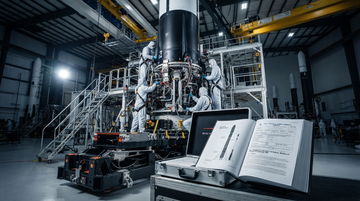
Insider activity meets launch-program timing
The insider sale looks small versus the narrative—unless you understand the mechanism
Rocket Lab rklb disclosed that its COO, Frank Klein, sold 45,692 shares in a single transaction with total proceeds of $3,181,443 on Aug. 26, 2026 (reported in his SEC Form 4).
Shares sold
45,692
Form 4 reported Aug. 26, 2026 trade date
Total proceeds
$3.18M
Form 4 reported total proceeds of $3,181,443
That distinction matters because the market’s “space rally” narrative tends to treat any sale as a valuation verdict. The better question for Rocket Lab investors is whether the timing aligns with company-critical milestones—especially Neutron’s launch pad readiness window—rather than with the trading mood.
What the company said it is building
Rocket Lab still targets Neutron’s first launch in Q4 2026—despite the headline noise
In Rocket Lab’s quarterly filing covering the period ended June 30, 2026 (Form 10-Q), the company reiterates that production of the Neutron Stage 1 tank is aligned with delivery to the launch pad in Q4 2026. It also notes exact launch timing depends on later critical tests and first-stage qualification, while emphasizing uncertainty risk.
| Item | What Rocket Lab disclosed | Why it matters for the insider trade interpretation |
|---|---|---|
| Neutron Stage 1 tank delivery | Aligned with delivery to the launch pad in Q4 2026 | Supports the view that insiders may not be “calling it off” despite selling shares |
| Launch timing dependencies | Exact timing depends on qualification and other critical tests later in 2026 | Explains why equity could be volatile even while guidance remains in place |
| Backlog level (June 30, 2026) | Backlog increased to $2,355.9M from $1,847.3M at Dec. 31, 2025 | Shows continuing contract momentum that can dampen a “fundamental retreat” interpretation |
| Backlog split (June 30, 2026) | Space systems: $1,415.8M; launch services: $940.2M | Frames where near-term valuation support could come from (service cadence + systems build) |
From backlog to margins to cash: the supply chain can’t hide
The CFO/COO isn’t just reacting to a price peak—the business model still burns cash
Rocket Lab’s latest reported results show the company remains in a loss-making, high-investment phase. For Q2 2026 (three months ended June 30, 2026), Rocket Lab reported $234.066M revenue and net loss of $49.258M. Over TTM through June 30, 2026, it reported $769.146M revenue and net income of -$165.459M.
Rocket Lab net income is still negative even as revenue rises (Q1’25–Q2’26 quarterly trend + TTM anchor)
Net income figures are from reported income statements for each quarter shown and TTM through June 30, 2026.
Unit: USD millions
Q1 2025
-60.6
Q2 2025
-66.4
Q3 2025
-18.3
Q4 2025
-52.3
Q1 2026
-45
Q2 2026
-49.3
TTM through Jun 30, 2026
-165.5
Q2 2026 revenue
$234.1M
Q2 2026, reported in the company’s quarterly filing
Q2 2026 net loss
-$49.3M
Q2 2026, reported in the company’s quarterly filing
TTM (through Jun 30, 2026) operating cash flow
-$249.7M
TTM operating cash flow as reported
TTM (through Jun 30, 2026) free cash flow
-$398.4M
TTM free cash flow as reported
Full chain, not just a launch date
Why this insider sale can still matter to investors: it reframes “confidence” signals
A $3.18M insider sale is unlikely to change Rocket Lab’s operating trajectory by itself. But it can change how investors interpret the gap between (1) what the company says about Neutron’s path and (2) what the market prices in. If insiders are selling into a valuation high while the company keeps its Q4 2026 alignment language, investors should look harder at whether the market’s implied “probability-weighted” outcome is too optimistic on execution risk and too forgiving on cash burn.
- Rocket Lab’s backlog rose to $2.3559B at June 30, 2026, but it still reported net losses and negative free cash flow on a TTM basis.
- Neutron’s Stage 1 tank is aligned to delivery in Q4 2026, yet exact launch timing depends on later qualification and critical tests—so equity can reprice quickly on any slippage signal.
- Because the company is still investing heavily, insider “sell-to-cover” behavior may reflect tax and diversification logic more than program stance, shifting the burden onto fundamentals updates (margin, cadence, cash).
- In a frothy sector, “insider confidence” becomes less about whether to buy/sell today and more about whether guidance quality improves enough to justify the multiple expansion.
Short-term vs long-term: what moves first
What to watch next if you’re trading the rally—and how to think like a longer-term holder
Short-term (days to quarters), the stock tends to react to any incremental evidence about Neutron pad readiness and milestones that alter “first flight” probability. Long-term (1–3 years), the key investors’ question is whether Rocket Lab’s mix (space systems versus launch services) turns backlog into improving margin structure and cash generation.
- Catalyst 1: any new disclosure on Neutron qualification outcomes that tightens or shifts the Q4 2026 window can reprice the probability curve quickly.
- Catalyst 2: quarterly cash flow trend—especially whether free cash flow narrows—should matter more than insider prints once tax/plan patterns are recognized.
- Milestone 1: sustained backlog conversion into recognized revenue without worsening cost of revenue should show up first in gross profit dynamics.
- Risk 1: if later-stage qualification delays extend beyond the current “aligned to Q4 2026” language, the market could demand a lower implied multiple.
Listed names the event transmits to (through investor sentiment and launch-cycle expectations)
- COO selling of 45,692 shares for $3.18M on Aug. 26, 2026 pushes investors to separate tax/plan trades from program conviction.
- Q2 2026 revenue was $234.1M while net loss was -$49.3M, so execution must translate backlog into improved profitability.
- TTM free cash flow through Jun 30, 2026 was -$398.4M, so the next quarter needs cash-burn directionality to keep the multiple supported.
- If the sector’s “launch complex optimism” fades, valuations for launch-sensitive small caps like Virgin Galactic typically de-risk first on probability cuts rather than on fundamentals changes.
- When space-rally narratives cool, defense/aerospace suppliers like Boeing can see multiple compression even if order books remain intact (investor risk-off timing).
- Sector-wide sentiment shifts can move Intuitive Machines even without direct program updates, because capital markets price probability-weighted missions and funding timing.