%22%2F%3E%0A%20%20%3Ccircle%20cx%3D%22220%22%20cy%3D%22150%22%20r%3D%22180%22%20fill%3D%22%2322d3ee%22%20fill-opacity%3D%220.12%22%2F%3E%0A%20%20%3Ccircle%20cx%3D%221010%22%20cy%3D%22130%22%20r%3D%22220%22%20fill%3D%22%2338bdf8%22%20fill-opacity%3D%220.08%22%2F%3E%0A%20%20%3Ccircle%20cx%3D%22920%22%20cy%3D%22520%22%20r%3D%22170%22%20fill%3D%22%2322d3ee%22%20fill-opacity%3D%220.06%22%2F%3E%0A%20%20%3Cpath%20d%3D%22M140%20430h920%22%20stroke%3D%22url(%23line)%22%20stroke-width%3D%2212%22%20stroke-linecap%3D%22round%22%2F%3E%0A%20%20%3Cpath%20d%3D%22M220%20360c120-150%20260-220%20380-220s260%2070%20380%20220%22%20fill%3D%22none%22%20stroke%3D%22%2367e8f9%22%20stroke-opacity%3D%220.5%22%20stroke-width%3D%2216%22%20stroke-linecap%3D%22round%22%20stroke-linejoin%3D%22round%22%2F%3E%0A%20%20%3Cpath%20d%3D%22M300%20398h600%22%20stroke%3D%22%2394a3b8%22%20stroke-opacity%3D%220.24%22%20stroke-width%3D%228%22%20stroke-linecap%3D%22round%22%2F%3E%0A%20%20%3Ctext%20x%3D%22220%22%20y%3D%22510%22%20fill%3D%22%23e2e8f0%22%20fill-opacity%3D%220.7%22%20font-family%3D%22Arial%2C%20Helvetica%2C%20sans-serif%22%20font-size%3D%2238%22%20letter-spacing%3D%228%22%3EINSIGHTS%3C%2Ftext%3E%0A%3C%2Fsvg%3E)
Permian M&A • Aug 2026 deal window tightening
The FireBird II terms emphasize quality inventory—not just acreage volume
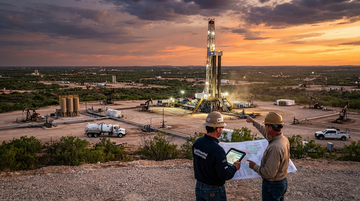
On Aug 20, 2026, Continental Resources announced it will acquire FireBird Energy II LLC (a private Permian portfolio) to expand its Permian Basin position. The disclosure is unusually specific on asset “packaging” (acres, production, stacked-pay coverage, operator %), but it did not disclose the transaction value.
Added Midland Basin scale
~54,000 net acres
Announced acquisition of FireBird Energy II, reported Aug 20, 2026
Added current production
~32,000 boe/d
69% oil-weighted production disclosed in the announcement, reported Aug 20, 2026
Added resource base
~147,000 net resource acres
Aggregate resource acres disclosed in the announcement, reported Aug 20, 2026
Operating control
95% operated
Operator percentage disclosed in the announcement, reported Aug 20, 2026
This is the kind of deal structure that tends to matter more to development-cycle timing than to long-range acreage math: current production and operator-controlled stacked-pay reservoirs reduce both technical and execution risk versus “raw” undeveloped land. By buying producing, 95%-operated acreage in stacked-pay blocks, Continental is effectively paying for lower execution risk.
Supply chain • Capital allocation • 2027 visibility
Why a “premium-for-inventory” read fits—even without a disclosed purchase price
In a scarce-inventory environment, buyers compete for blocks that can be drilled and ramped without large learning curves. The FireBird II disclosure highlights exactly those traits: (1) current output, (2) oil-weighted stream, and (3) a high operated percentage plus multiple stacked-pay reservoirs. Those traits are typically what drive capital “option value” for upstream operators—meaning the buyer is purchasing less uncertainty, not just land.
Now layer in the timing implied by the market’s broader dynamic: as 2027 approaches, expectations for supply growth can rise, and that can widen the set of assets available in public-company deal channels—yet this transaction is private inventory. In that environment, private sellers can still demand a premium when public deal liquidity is thinning.
Transmission mechanism • Service-cost inflation
Inventory scarcity can keep Permian service costs bid—into (not away from) the supply-growth window
Even if future production volumes rise in a “2027 glut” narrative, near-term well activity doesn’t follow spreadsheets perfectly. Where inventory quality is scarce, incremental operatorship of development schedules can pull demand forward for drilling rigs, completion crews, frac equipment, and tubulars. The FireBird II deal’s emphasis on producing assets suggests it’s not just buying long-dated options; it’s also absorbing development responsibility for active resource areas.
- Continental’s purchase adds an oil-weighted production base, which tends to anchor activity schedules rather than delay them to “later cycles.”
- Stacked-pay and high operated percentages can compress engineering and logistics timelines, which can keep completion-capacity demand tight even if public-company acreage availability increases.
- If multiple buyers continue competing for similar remaining high-quality blocks, service demand can stay more resilient than implied by macro supply expectations.
Investor implication: the most exposed listed names are often the midstream-to-downhole “bottlenecks” (pressure pumping, well services, equipment procurement). Where scarcity pushes drilling/completions activity into overlapping windows, the service-cost inflation risk can persist despite a later supply outlook.
What to watch next • Closing + development pace
The two catalysts: deal close timing and how fast Continental converts the book into drilling/completions
| What to monitor | Why it matters | What would confirm the thesis |
|---|---|---|
| Expected closing and post-close integration | If Continental closes on schedule, the operational ramp becomes a near-term question rather than a 2028+ story. | Company filings and/or supplemental disclosures show the assets are folded into active development plans quickly after close |
| Permian activity indicators (rig count, completions cadence, capex direction) | Scarcity-driven pricing only matters if it translates into persistent activity and service demand. | Updated guidance or quarterly disclosures show sustained operational intensity vs. peers |
| Inventory “stacking” conversion rate | Stacked-pay blocks only create advantage if multiple horizons are developed with acceptable efficiency. | Disclosures show drilling/completions targeted across stacked-pay reservoirs with consistent results |
Listed names most plausibly tied to the FireBird II scarcity signal
- Adds ~32,000 boe/d (69% oil) of producing Midland volume, which can support activity visibility through multiple quarters.
- Acquires ~54,000 net acres and ~147,000 net resource acres with 95% operated control, which can reduce execution risk vs. raw acreage.
- If public deal windows narrow but private scarcity persists, Continental can maintain premium-quality inventory even when peers pause.