%22%2F%3E%0A%20%20%3Ccircle%20cx%3D%22220%22%20cy%3D%22150%22%20r%3D%22180%22%20fill%3D%22%2322d3ee%22%20fill-opacity%3D%220.12%22%2F%3E%0A%20%20%3Ccircle%20cx%3D%221010%22%20cy%3D%22130%22%20r%3D%22220%22%20fill%3D%22%2338bdf8%22%20fill-opacity%3D%220.08%22%2F%3E%0A%20%20%3Ccircle%20cx%3D%22920%22%20cy%3D%22520%22%20r%3D%22170%22%20fill%3D%22%2322d3ee%22%20fill-opacity%3D%220.06%22%2F%3E%0A%20%20%3Cpath%20d%3D%22M140%20430h920%22%20stroke%3D%22url(%23line)%22%20stroke-width%3D%2212%22%20stroke-linecap%3D%22round%22%2F%3E%0A%20%20%3Cpath%20d%3D%22M220%20360c120-150%20260-220%20380-220s260%2070%20380%20220%22%20fill%3D%22none%22%20stroke%3D%22%2367e8f9%22%20stroke-opacity%3D%220.5%22%20stroke-width%3D%2216%22%20stroke-linecap%3D%22round%22%20stroke-linejoin%3D%22round%22%2F%3E%0A%20%20%3Cpath%20d%3D%22M300%20398h600%22%20stroke%3D%22%2394a3b8%22%20stroke-opacity%3D%220.24%22%20stroke-width%3D%228%22%20stroke-linecap%3D%22round%22%2F%3E%0A%20%20%3Ctext%20x%3D%22220%22%20y%3D%22510%22%20fill%3D%22%23e2e8f0%22%20fill-opacity%3D%220.7%22%20font-family%3D%22Arial%2C%20Helvetica%2C%20sans-serif%22%20font-size%3D%2238%22%20letter-spacing%3D%228%22%3EINSIGHTS%3C%2Ftext%3E%0A%3C%2Fsvg%3E)
Bottom line
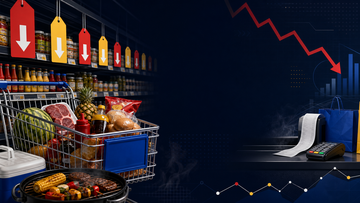
Walmart is not cutting prices because demand is strong. It is cutting prices to protect its value crown.
The new summer rollback batch is a classic Walmart move: lower prices where customers actually notice them, then use the traffic benefit to defend the rest of the basket. That is not the same thing as a broad demand victory. It is a deliberate margin trade for share.
The market read-through matters because when Walmart gets more aggressive on core grocery and entertaining staples, it usually says something about household budget stress before it says anything about retailer confidence.
What changed
The price cuts are concentrated in the things families buy for the weekly basket and the backyard grill.
The July 6 rollout featured thousands of summer rollbacks and a set of specific cut prices that are easy for shoppers to see. That matters because visible grocery markdowns move perception far more than invisible supplier rebates or minor loyalty changes.
When the headline items are cherries, corn, ground beef, chips, and soda, Walmart is signaling that it wants to own the inflation narrative in categories where consumers compare prices directly.
| Item | Old price | New price | Approx. markdown |
|---|---|---|---|
| 1 lb. 73% ground beef roll | $6.74 | $5.94 | -11.9% |
| Sweet corn on the cob | $0.68 | $0.25 | -63.2% |
| Fresh red cherries (2.25 lb.) | $11.18 | $5.63 | -49.6% |
| Coca-Cola 24-pack | $14.97 | $9.97 | -33.4% |
| Pepsi 24-pack | $13.97 | $9.97 | -28.6% |
| Member's Mark bone-in chicken wings | $2.88/lb. | $2.00/lb. | -30.6% |
Why it matters
The real competitive effect is not on grocery inflation. It is on retailer share of wallet.
A Walmart rollback wave can pressure competitors in two ways. First, it sets a lower reference price for the family basket, which makes it harder for rivals to justify higher shelf tags on everyday goods. Second, it nudges shoppers to believe that Walmart is the place where inflation gets absorbed instead of passed through.
That is why the move helps Walmart even if the consumer backdrop is only mediocre. The retailer can give up some pricing to retain trips, lock in pantry habits, and keep the customer relationship anchored around value.
- Private-label and entry-price items matter more than headline traffic counts.
- Suppliers lose pricing power first when the value leader gets aggressive.
- Competitors such as Target and regional grocers have to answer the same basket-price comparison.
What to watch
If the rollback list keeps growing, Walmart is signaling a longer fight for budget-conscious households.
A one-time promotion is noise. A sustained rollback strategy is a message that Walmart expects consumers to stay selective and compare baskets harder through the summer. That usually favors the retailer with the deepest sourcing leverage and the strongest store traffic engine.
The longer the value fight lasts, the more it looks like a share battle rather than a pure inflation response. That is good for Walmart's traffic story and less comfortable for suppliers and competitors that need stable pricing power.
Selected Walmart markdowns
Markdown percentages are calculated from the official before-and-after prices in Walmart's July 6 release.
Unit: % markdown
Sweet corn
One of the deepest cuts in the basket
63.2
Red cherries
Nearly half off
49.6
Coca-Cola 24-pack
Clear beverage traffic driver
33.4
Chicken wings
Sam's Club grilling staple
30.6
Pepsi 24-pack
Another visible basket item
28.6
Ground beef
Smaller cut, but still meaningful
11.9