%22%2F%3E%0A%20%20%3Ccircle%20cx%3D%22220%22%20cy%3D%22150%22%20r%3D%22180%22%20fill%3D%22%2322d3ee%22%20fill-opacity%3D%220.12%22%2F%3E%0A%20%20%3Ccircle%20cx%3D%221010%22%20cy%3D%22130%22%20r%3D%22220%22%20fill%3D%22%2338bdf8%22%20fill-opacity%3D%220.08%22%2F%3E%0A%20%20%3Ccircle%20cx%3D%22920%22%20cy%3D%22520%22%20r%3D%22170%22%20fill%3D%22%2322d3ee%22%20fill-opacity%3D%220.06%22%2F%3E%0A%20%20%3Cpath%20d%3D%22M140%20430h920%22%20stroke%3D%22url(%23line)%22%20stroke-width%3D%2212%22%20stroke-linecap%3D%22round%22%2F%3E%0A%20%20%3Cpath%20d%3D%22M220%20360c120-150%20260-220%20380-220s260%2070%20380%20220%22%20fill%3D%22none%22%20stroke%3D%22%2367e8f9%22%20stroke-opacity%3D%220.5%22%20stroke-width%3D%2216%22%20stroke-linecap%3D%22round%22%20stroke-linejoin%3D%22round%22%2F%3E%0A%20%20%3Cpath%20d%3D%22M300%20398h600%22%20stroke%3D%22%2394a3b8%22%20stroke-opacity%3D%220.24%22%20stroke-width%3D%228%22%20stroke-linecap%3D%22round%22%2F%3E%0A%20%20%3Ctext%20x%3D%22220%22%20y%3D%22510%22%20fill%3D%22%23e2e8f0%22%20fill-opacity%3D%220.7%22%20font-family%3D%22Arial%2C%20Helvetica%2C%20sans-serif%22%20font-size%3D%2238%22%20letter-spacing%3D%228%22%3EINSIGHTS%3C%2Ftext%3E%0A%3C%2Fsvg%3E)
Bottom line
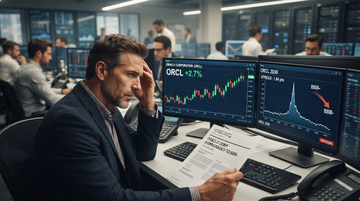
Oracle is the clearest warning that AI growth can weaken credit even when revenue keeps growing.
The rating action matters because it proves the market is no longer treating AI infrastructure spend as a purely bullish growth variable. S&P moved Oracle to BBB-, which puts the company one notch above speculative grade and tells investors the capital intensity of the AI buildout has real balance-sheet consequences.
This is the first bond-market style warning signal in the AI capex trade.
Why it matters
The market is finally separating AI demand from AI funding.
| Signal | Implication |
|---|---|
| BBB- rating | The credit cushion is thinner than before. |
| 2.7% stock gain | Equity investors still like the backlog story. |
| Bond spread wider | Debt buyers are demanding more yield. |
| AI infrastructure spend | Growth is increasingly financed, not just earned. |
- If Oracle can grow into the capex, the market may forgive the leverage.
- If free cash flow lags, the downgrade can become a template for other AI spenders.
- The real question is not whether AI demand exists; it is whether debt-financed growth can be sustained at scale.
Read-through
Oracle is now the proxy for the AI financing layer.
A downgrade like this changes how investors model the entire infrastructure stack. The equity market can still reward backlog and partnership headlines, but the bond market is asking whether that backlog converts fast enough to support leverage, capex, and refinancing risk.
- Oracle bonds and CDS become a cleaner AI risk barometer.
- CoreWeave, hyperscalers, and private AI financers all get looked at through a harder credit lens.
- If rates rise again, the leverage debate becomes even more expensive.