%22%2F%3E%0A%20%20%3Ccircle%20cx%3D%22220%22%20cy%3D%22150%22%20r%3D%22180%22%20fill%3D%22%2322d3ee%22%20fill-opacity%3D%220.12%22%2F%3E%0A%20%20%3Ccircle%20cx%3D%221010%22%20cy%3D%22130%22%20r%3D%22220%22%20fill%3D%22%2338bdf8%22%20fill-opacity%3D%220.08%22%2F%3E%0A%20%20%3Ccircle%20cx%3D%22920%22%20cy%3D%22520%22%20r%3D%22170%22%20fill%3D%22%2322d3ee%22%20fill-opacity%3D%220.06%22%2F%3E%0A%20%20%3Cpath%20d%3D%22M140%20430h920%22%20stroke%3D%22url(%23line)%22%20stroke-width%3D%2212%22%20stroke-linecap%3D%22round%22%2F%3E%0A%20%20%3Cpath%20d%3D%22M220%20360c120-150%20260-220%20380-220s260%2070%20380%20220%22%20fill%3D%22none%22%20stroke%3D%22%2367e8f9%22%20stroke-opacity%3D%220.5%22%20stroke-width%3D%2216%22%20stroke-linecap%3D%22round%22%20stroke-linejoin%3D%22round%22%2F%3E%0A%20%20%3Cpath%20d%3D%22M300%20398h600%22%20stroke%3D%22%2394a3b8%22%20stroke-opacity%3D%220.24%22%20stroke-width%3D%228%22%20stroke-linecap%3D%22round%22%2F%3E%0A%20%20%3Ctext%20x%3D%22220%22%20y%3D%22510%22%20fill%3D%22%23e2e8f0%22%20fill-opacity%3D%220.7%22%20font-family%3D%22Arial%2C%20Helvetica%2C%20sans-serif%22%20font-size%3D%2238%22%20letter-spacing%3D%228%22%3EINSIGHTS%3C%2Ftext%3E%0A%3C%2Fsvg%3E)
Bottom line
The leak is a reminder that diversification increases attack surface.
Apple needs India, and it needs more than one manufacturing geography. But every additional supplier, line worker, test station, and logistics path makes the hardware graph harder to secure.
That is the real story here. The problem is not only that files leaked. The problem is that Apple's shift toward a broader production footprint now carries a higher coordination tax and a higher cyber tax.
What leaked
The reported payload was strategically valuable, not just embarrassing.
Reuters-linked reporting says the breach exposed parts lists, supplier documentation, drop-test photos, and other files tied to the unreleased iPhone 18 Pro. That matters because Apple protects the supplier map as aggressively as the design itself.
If a competitor or contract manufacturer can infer what the prototype uses, how it is built, and which vendors sit in the chain, the leak erodes the information advantage that supports Apple's launch cadence and component bargaining power.
| Artifact | What it reveals | Why it matters |
|---|---|---|
| Drop-test photos | Prototype durability and industrial design clues | Signals product form factor and protection choices. |
| Parts lists | Component naming and assembly hints | Helps rivals and suppliers infer BOM direction. |
| Supplier maps | Who makes what and where | The most strategically sensitive part of the leak. |
| Chip datasheets | Early silicon and board references | Suggests tighter linkage between hardware and roadmap. |
Market impact
The economic cost is bigger than one security incident.
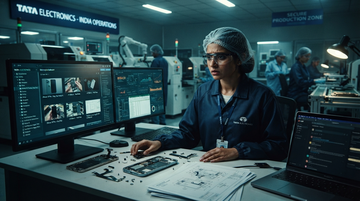
The same is true for Tata. A security breach at a strategic manufacturing partner does not just create cleanup cost; it creates commercial doubt about how much of Apple's supply chain can be safely moved outside the old core production base.
Analyst read on breach pressure points
These scores are an analytical ranking of where the leak likely hurts most, not a measured dataset.
Unit: score / 10
Supplier-map exposure
Vendor graph is visible
9.4
Launch secrecy hit
Prototype details leaked early
9
Cybersecurity spend
Security bills rise with scale
8.2
India ramp complexity
More nodes, more coordination
7.8
Second-order effects
The winners are the firms that can make multi-country manufacturing more secure.
Apple will keep diversifying because the strategic need is real. But the next phase of diversification will likely demand more spending on segmentation, monitoring, digital thread controls, and supplier governance.
That creates a hidden tax on the whole ecosystem. The more Apple relies on outside manufacturing partners, the more it must pay to prevent those partners from becoming weak links in the product graph.
| Stakeholder | Likely effect | Investor lens |
|---|---|---|
| Apple | More secrecy cost, more security overhead | Margin defense now includes cyber hygiene. |
| Tata Electronics | Operational and reputational risk | Security failures can spill into customer trust. |
| Component suppliers | Earlier exposure to the BOM | Negotiating leverage can shift sooner. |
| Security vendors | More demand for monitoring and segmentation | The hidden tax on multi-country manufacturing. |