%22%2F%3E%0A%20%20%3Ccircle%20cx%3D%22220%22%20cy%3D%22150%22%20r%3D%22180%22%20fill%3D%22%2322d3ee%22%20fill-opacity%3D%220.12%22%2F%3E%0A%20%20%3Ccircle%20cx%3D%221010%22%20cy%3D%22130%22%20r%3D%22220%22%20fill%3D%22%2338bdf8%22%20fill-opacity%3D%220.08%22%2F%3E%0A%20%20%3Ccircle%20cx%3D%22920%22%20cy%3D%22520%22%20r%3D%22170%22%20fill%3D%22%2322d3ee%22%20fill-opacity%3D%220.06%22%2F%3E%0A%20%20%3Cpath%20d%3D%22M140%20430h920%22%20stroke%3D%22url(%23line)%22%20stroke-width%3D%2212%22%20stroke-linecap%3D%22round%22%2F%3E%0A%20%20%3Cpath%20d%3D%22M220%20360c120-150%20260-220%20380-220s260%2070%20380%20220%22%20fill%3D%22none%22%20stroke%3D%22%2367e8f9%22%20stroke-opacity%3D%220.5%22%20stroke-width%3D%2216%22%20stroke-linecap%3D%22round%22%20stroke-linejoin%3D%22round%22%2F%3E%0A%20%20%3Cpath%20d%3D%22M300%20398h600%22%20stroke%3D%22%2394a3b8%22%20stroke-opacity%3D%220.24%22%20stroke-width%3D%228%22%20stroke-linecap%3D%22round%22%2F%3E%0A%20%20%3Ctext%20x%3D%22220%22%20y%3D%22510%22%20fill%3D%22%23e2e8f0%22%20fill-opacity%3D%220.7%22%20font-family%3D%22Arial%2C%20Helvetica%2C%20sans-serif%22%20font-size%3D%2238%22%20letter-spacing%3D%228%22%3EINSIGHTS%3C%2Ftext%3E%0A%3C%2Fsvg%3E)
Bottom line
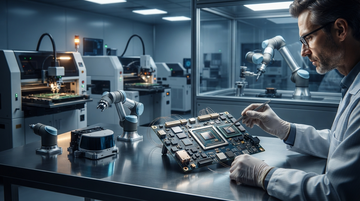
This is a physical-AI platform bet, not just a corporate action.
That is why the stock sold off even though the strategic logic is coherent. Investors can see the future-facing story, but they can also see the integration risk, dilution, and slower payback period.
Deal math
The transaction terms are not small, and the economics have to be earned.
That math can work if the platform gains are real. It becomes harder if the combined company spends too long proving that physical AI is more than a thematic label.
| Term | Value | Why it matters |
|---|---|---|
| Enterprise value | $7B | All-stock transaction expands the platform without cash outlay. |
| Exchange ratio | 1.35 ON shares | Synaptics holders keep equity exposure to the combined company. |
| Premium | 19% | A decent premium, but not a blowout if integration disappoints. |
| Synergies | $200M annually | EPS accretion depends on execution and timing. |
| Close | Mid-2027 | Regulatory and shareholder approvals still matter. |
| Addressable market | $243B by 2030 | onsemi is explicitly pitching a bigger physical-AI arena. |
Why Synaptics matters
Synaptics adds the control layer that onsemi did not fully own.
In physical AI, that layer matters because robots, vehicles, factory systems, and consumer devices all need a tighter loop from perception to decision to action.
Physical AI is a stack, not a single chip
Relative strategic importance scores for the combined business model. The point is how the layers fit together, not a literal forecast.
Unit: relative score
Upstream / downstream
The merger shifts onsemi from component supplier to system-enablement partner.
Upstream, the company can sell more integrated silicon into automotive and industrial designs that want one procurement stop for power, sensing, compute, and connectivity. Downstream, customers get a simpler bill of materials if onsemi can make the stack work reliably.
The upside is a larger addressable market and stickier customers. The downside is that the company inherits more execution risk because it has to integrate two product cultures and prove that the combined platform works across many end markets.
| Stack layer | What it contributes | Second-order effect |
|---|---|---|
| Power | onsemi's existing strength | This is the anchor for everything in automotive and industrial systems. |
| Sensing | Image and biometric input | The company already lives where the device sees the world. |
| Compute | Synaptics AI-native and controller IP | Adds the logic layer between sensor and action. |
| Connectivity | Wireless and interface expertise | Completes the path from the edge into the system. |
| Control | System orchestration | The combined pitch is a full physical-AI stack, not a parts basket. |
My conclusion
The strategic logic is real, but so is the burden of proof.
If onsemi can execute, the deal could turn a good power-and-sensing company into a broader physical-AI platform with more durable growth. If it cannot, the market will treat the acquisition as a distraction that diluted focus just when data-center and industrial demand were creating a cleaner story.
For now, the right read is balanced: the company is trying to move up the stack, and the market wants evidence before it pays for that ambition.