
Policy & Trade
Policy & Trade Insights
Notas de investigación sobre resultados, estructura de mercado y estados financieros. Cada pieza empieza con la conclusión y luego presenta la evidencia y las implicaciones.
2026-07-21
%22%2F%3E%0A%20%20%3Ccircle%20cx%3D%22220%22%20cy%3D%22150%22%20r%3D%22180%22%20fill%3D%22%2322d3ee%22%20fill-opacity%3D%220.12%22%2F%3E%0A%20%20%3Ccircle%20cx%3D%221010%22%20cy%3D%22130%22%20r%3D%22220%22%20fill%3D%22%2338bdf8%22%20fill-opacity%3D%220.08%22%2F%3E%0A%20%20%3Ccircle%20cx%3D%22920%22%20cy%3D%22520%22%20r%3D%22170%22%20fill%3D%22%2322d3ee%22%20fill-opacity%3D%220.06%22%2F%3E%0A%20%20%3Cpath%20d%3D%22M140%20430h920%22%20stroke%3D%22url(%23line)%22%20stroke-width%3D%2212%22%20stroke-linecap%3D%22round%22%2F%3E%0A%20%20%3Cpath%20d%3D%22M220%20360c120-150%20260-220%20380-220s260%2070%20380%20220%22%20fill%3D%22none%22%20stroke%3D%22%2367e8f9%22%20stroke-opacity%3D%220.5%22%20stroke-width%3D%2216%22%20stroke-linecap%3D%22round%22%20stroke-linejoin%3D%22round%22%2F%3E%0A%20%20%3Cpath%20d%3D%22M300%20398h600%22%20stroke%3D%22%2394a3b8%22%20stroke-opacity%3D%220.24%22%20stroke-width%3D%228%22%20stroke-linecap%3D%22round%22%2F%3E%0A%20%20%3Ctext%20x%3D%22220%22%20y%3D%22510%22%20fill%3D%22%23e2e8f0%22%20fill-opacity%3D%220.7%22%20font-family%3D%22Arial%2C%20Helvetica%2C%20sans-serif%22%20font-size%3D%2238%22%20letter-spacing%3D%228%22%3EINSIGHTS%3C%2Ftext%3E%0A%3C%2Fsvg%3E)

La conciliación por derechos de autor de 1.500 millones de dólares de Anthropic es un «suelo» de responsabilidad para la IA fronteriza—Porque el tribunal separó el uso justo para el entrenamiento de la infracción por conservar una biblioteca pirateada
El 20 de julio de 2026, un juez de EE. UU. concedió la aprobación final a la conciliación colectiva por derechos de autor de 1.500 millones de dólares de Anthropic, otorgando 101 millones de dólares en honorarios de abogados y confirmando una participación del 91%+. El caso se basó en una división marcada: el tribunal aceptó que el entrenamiento de LLM puede ser un uso justo, pero consideró a Anthropic responsable por almacenar millones de libros pirateados en una «biblioteca central». Para los inversores, la conclusión transferible no es que «el entrenamiento sea ilegal», sino que el límite de responsabilidad se desplaza hacia la adquisición y retención de conjuntos de datos y puede convertirse en un costo predecible de hacer negocios en laboratorios de modelos de frontera.
El jefe de la agencia de seguridad de la IA de EE. UU. CAISI renuncia después de solo 3 meses — Qué significa para la supervisión de la IA fronteriza
El 20 de julio de 2026, Reuters y CNBC confirmaron que Chris Fall renunció como director del Center for AI Standards and Innovation (CAISI) — el instituto federal de pruebas de IA bajo el Departamento de Comercio que reemplazó al anterior AI Safety Institute — apenas tres meses después de su nombramiento. La salida es la última reestructuración del equipo de supervisión de IA de la administración Trump y ocurre en medio de negociaciones intensificadas con desarrolladores de modelos de frontera (OpenAI, Anthropic, Google) sobre lanzamientos escalonados, el acceso del gobierno y cómo evaluar riesgos para la seguridad nacional. Esto plantea preguntas sobre la estabilidad de la infraestructura regulatoria de IA de EE. UU. a medida que los modelos chinos de pesos abiertos más baratos se aceleran.
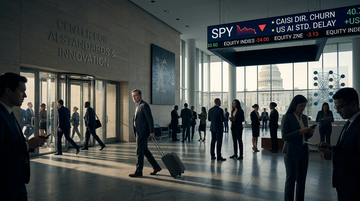
CAISI’s Director Churn Signals US AI Standards Will Lag—Even as the White House’s Security-and-Testing Agenda Accelerates
Chris Fall’s resignation as director of the Center for AI Standards and Innovation (CAISI) on July 20, 2026 extends a CAISI leadership whiplash: three directors in ~five months, following David Sacks in March and Collin Burns in April. Because CAISI is explicitly tasked with translating the White House’s AI safety-and-standards agenda into model evaluations and security guidance, turnover threatens continuity at the exact moment compliance expectations are rising. For investors, this increases the value of vendors that can sell “standards-adjacent” testing, secure compute, and AI governance tooling—while raising near-term execution risk for any bet that waits on a stable federal test regime.

GM’s Q2 2026 Margin Beat Looks Like a Tariff-Refund Bridge—But EV Losses Leave the Sustainability Question Wide Open
General Motors’ Q2 2026 print lands at the intersection of two margin drivers: tariff-related refund expectations on one side and continuing EV-related cost pressure on the other. With US sales down 4.2% Y/Y in Q2 and ongoing EV strategic realignment charges, the key investor question is whether tariff benefits persist long enough to offset EV profitability drag in 2026.
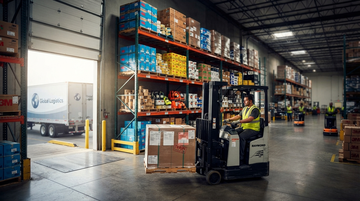
3M’s Q2 2026 Setup: A Small EPS/Revenue Miss Is Less Concerning Than the Tariff-Cost Test to Its Back-Half Organic Growth
3M (3M Company) delivered Q2 2026 results that were slightly below consensus on both adjusted EPS and revenue, while reiterating full-year guidance for ~3% organic sales growth. The market focus is whether the post-Solventum footprint can keep the organic-sales pace as tariff drag hits consumer-leaning SKUs and pricing/mix. With recent quarterly revenue running in a narrow band (~$6.0B–$6.5B), the “execution” question is not demand collapse—it’s margin bridge durability.
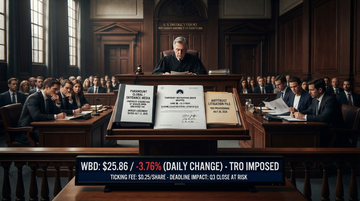
La orden cautelar de 14 días obliga a Paramount Skydance a pausar el acuerdo de WBD de 110.000 millones de dólares: la primera verdadera prueba de fuego en sala para la era del mega M&A mediático
El 20 de julio de 2026, un juez de distrito de EE. UU. concedió una orden cautelar de 14 días que bloquea la adquisición de 110.000 millones de dólares de Paramount Skydance de Warner Bros. Discovery (al menos hasta una audiencia del 3 de agosto). La orden convierte lo que antes era un “riesgo regulatorio” en una presión económica: las acciones de WBD cayeron ~3,8% ese día y la estructura del acuerdo incluye una tasa de 0,25 dólares por acción que se va acumulando si el cierre se retrasa más allá del 30 de septiembre. Para los inversores, la pregunta central es si esto es una demora corta o el movimiento inicial de una batalla antimonopolio más larga sobre la distribución teatral de gran alcance y el poder en el cable.

Los términos del IPO de Reformation fijan la tasación de un “DTC rentable” para un minorista de prendas en mercados públicos—pero la historia del margen aún depende de los aranceles y la escala
Los ref S-1/A de Reformation establecen un rango de 15,00 a 17,00 dólares para una recaudación de aproximadamente 225 millones de dólares, sobre 507,1 millones de dólares de ingresos de 2025 y 12,6 millones de dólares de ingreso neto, con ~90% de las ventas provenientes de ventas directas al consumidor. El detalle de la presentación más relevante para la inversión no es la combinación de DTC, sino cuánto cambian el margen bruto reportado y el apalancamiento operativo alrededor de los costos y reembolsos impulsados por los aranceles y la disciplina en la expansión de tiendas. Si Reformation logra convertir el crecimiento de tiendas en márgenes más estables, la tesis de “DTC sostenible y rentable” parece invertible; si no, la valoración puede comprimirse con rapidez incluso con un ingreso neto positivo.
Trump Slaps 50% Tariffs on $20B of Canadian Goods Under Section 338 — Markets Brace for New Trade Shock
On July 20, 2026, President Trump signed three proclamations under Section 338 of the Tariff Act of 1930, imposing a 50% tariff on approximately $20 billion of Canadian goods — including motor vehicles, wine, spirits, beer, dairy, cement, lumber, and even hockey sticks — to retaliate against Canadian trade discrimination. The tariffs take effect in 30 days and apply regardless of USMCA status. Energy, potash, fish, Section 232 products, and critical minerals are exempted. Cited drop data: Canadian imports of U.S. vehicles fell ~22% ($5.6B) from April 2025 to March 2026; U.S. alcohol imports to Canada fell ~81% ($582M) from March 2025 to February 2026.
2026-07-20
AliExpress's Record €550M EU DSA Fine: A Watershed for Cross-Border E-Commerce Compliance
On July 20, 2026, the European Commission hit Alibaba-owned AliExpress with a record €550 million ($629M) fine under the Digital Services Act for systemic failures to tackle illegal, counterfeit, and unsafe products on its platform — exceeding the €120M fine on X and the €200M on Temu. The Commission cited inadequate risk staffing, overestimated content-moderation efficacy, weak penalty enforcement against repeat-offender sellers, and a brand-authorization system easily circumvented. AliExpress has 193M European users (vs Shein's 156M, Temu's 130M).
Goldman Sachs' Three Alternatives to the AI Trade: Consumer Compounders, Quality Compounders, and M&A Targets
On July 19, 2026, Goldman Sachs strategists published a note flagging three investment themes as alternatives to the volatile AI infrastructure trade: (1) consumer experience stocks benefiting from discretionary spending with limited AI disruption risk, (2) high-quality compounders with 15 names identified, and (3) potential M&A targets as U.S. announced deal activity hits $1.2T, up 32% YoY. The note comes as hedge fund positioning in AI infrastructure names has grown crowded and visibility on further AI capex is shrinking.
Shein Clears Hong Kong Listing Committee at $40-50B: Fast Fashion's Biggest 2026 IPO Pivots East After the NY/London Fades
On July 17, 2026, Shein received approval from the Hong Kong Stock Exchange listing committee for its long-awaited IPO, targeting a $40-50B valuation (down from $100B in 2022). The fast-fashion retailer plans to publish its first public filing the week of July 27 and could launch the roadshow as soon as late August, after pivoting away from prior New York and London attempts. The prospectus will offer a clean read on Shein's $40B+ revenue, ~$2B net profit, supply chain, and the regulatory tradeoffs of choosing Hong Kong over U.S. listings.
2026-07-19
2026-07-18

Nvidia Barely Kept the Market Cap Crown Over Apple, and That Turns the AI Trade Into a Cash-Conversion Test
The intraday fight between Nvidia and Apple is not just a market-cap headline. It is the market asking which mega-cap can still justify a premium when AI capex, memory costs, and valuation crowding are all rising at once.

The SOX Bear Market Is Not the End of AI, It Is the Start of a Capital-Discipline Regime
When the Philadelphia Semiconductor Index drops more than 20% from its high, the market is not saying AI demand vanished. It is saying the cost of owning the AI supply chain is now high enough that only the cleanest cash converters deserve a premium.
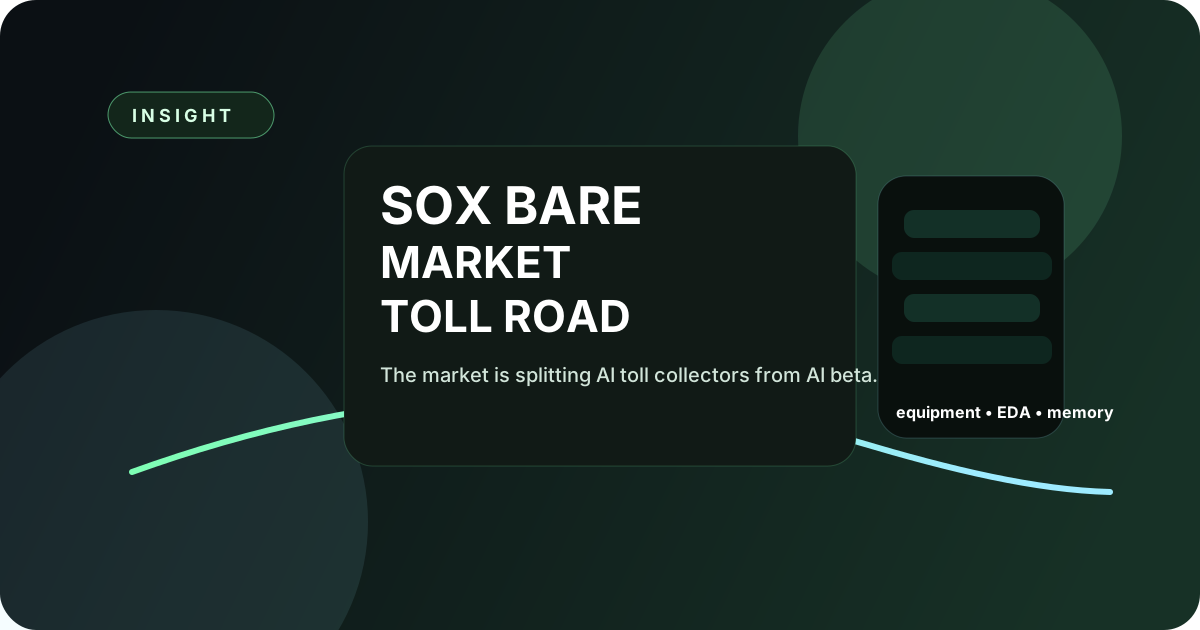
The SOX Bear Market Is Splitting AI Toll Collectors From AI Beta
When the semiconductor index falls into bear-market territory, the market is not dumping AI. It is sorting the AI stack into companies that toll the buildout and companies that are still being priced like pure beta.
2026-07-17

Chevron's Iraq Pipeline Push Turns Hormuz Risk Into a Midstream Re-Routing Trade
New Iraq agreements worth roughly $60 billion do more than add barrels. They signal that the market is starting to price alternative export routes, which changes the value of Chevron, ConocoPhillips, and the entire Gulf energy infrastructure stack.
South Korea's ETF Crackdown Proves the AI Chip Rally Had Become a Leverage Product
South Korea's move to suspend new single-stock leveraged ETF listings is not just a retail-protection headline. It is a market-structure admission that the AI chip rally had become a leverage trade layered on top of a real memory upcycle.

Kuwait's Desalination Strike Makes Gulf Utilities the Hidden Front Line of the Oil Shock
An Iranian strike on Kuwait's water-and-power infrastructure turns a crude-price headline into a utility and inflation problem. The deeper read is that Gulf desalination, not just shipping lanes, is now part of the market's geopolitical risk premium.
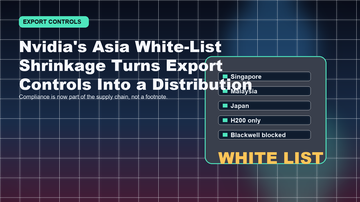
Nvidia's Asia White-List Shrinkage Turns Export Controls Into a Distribution Moat
By cutting the number of authorized Asian buyers by more than half, Nvidia is making compliance part of the supply chain. That sounds bureaucratic, but it is actually a moat: fewer customers, tighter verification, and a more controllable route to China.

TSMC's Record Earnings Selloff Exposes the Three Fault Lines the AI Trade Can No Longer Ignore
TSMC delivered a record quarter on July 16, 2026, but the stock still sold off. That disconnect is the story: the AI semiconductor cycle is still strong, yet the market is now pricing margin compression, higher capex, and a broader repricing of AI infrastructure risk.
Qué esperar
Notas basadas en evidencia con un punto de vista visible.
Esta sección recoge análisis directos sobre resultados, reuniones de accionistas y estructura de mercado. Cada pieza nueva debe dejar clara la tesis, los hechos y las implicaciones desde las primeras pantallas.
Espera análisis directos, no comentarios genéricos.
Espera datos claros y argumentos fáciles de seguir.