
%22%2F%3E%0A%20%20%3Ccircle%20cx%3D%22220%22%20cy%3D%22150%22%20r%3D%22180%22%20fill%3D%22%2322d3ee%22%20fill-opacity%3D%220.12%22%2F%3E%0A%20%20%3Ccircle%20cx%3D%221010%22%20cy%3D%22130%22%20r%3D%22220%22%20fill%3D%22%2338bdf8%22%20fill-opacity%3D%220.08%22%2F%3E%0A%20%20%3Ccircle%20cx%3D%22920%22%20cy%3D%22520%22%20r%3D%22170%22%20fill%3D%22%2322d3ee%22%20fill-opacity%3D%220.06%22%2F%3E%0A%20%20%3Cpath%20d%3D%22M140%20430h920%22%20stroke%3D%22url(%23line)%22%20stroke-width%3D%2212%22%20stroke-linecap%3D%22round%22%2F%3E%0A%20%20%3Cpath%20d%3D%22M220%20360c120-150%20260-220%20380-220s260%2070%20380%20220%22%20fill%3D%22none%22%20stroke%3D%22%2367e8f9%22%20stroke-opacity%3D%220.5%22%20stroke-width%3D%2216%22%20stroke-linecap%3D%22round%22%20stroke-linejoin%3D%22round%22%2F%3E%0A%20%20%3Cpath%20d%3D%22M300%20398h600%22%20stroke%3D%22%2394a3b8%22%20stroke-opacity%3D%220.24%22%20stroke-width%3D%228%22%20stroke-linecap%3D%22round%22%2F%3E%0A%20%20%3Ctext%20x%3D%22220%22%20y%3D%22510%22%20fill%3D%22%23e2e8f0%22%20fill-opacity%3D%220.7%22%20font-family%3D%22Arial%2C%20Helvetica%2C%20sans-serif%22%20font-size%3D%2238%22%20letter-spacing%3D%228%22%3EINSIGHTS%3C%2Ftext%3E%0A%3C%2Fsvg%3E)
What changed
The market is no longer pricing Iraq as only an upstream story.
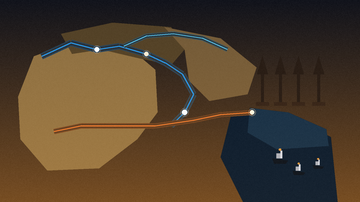
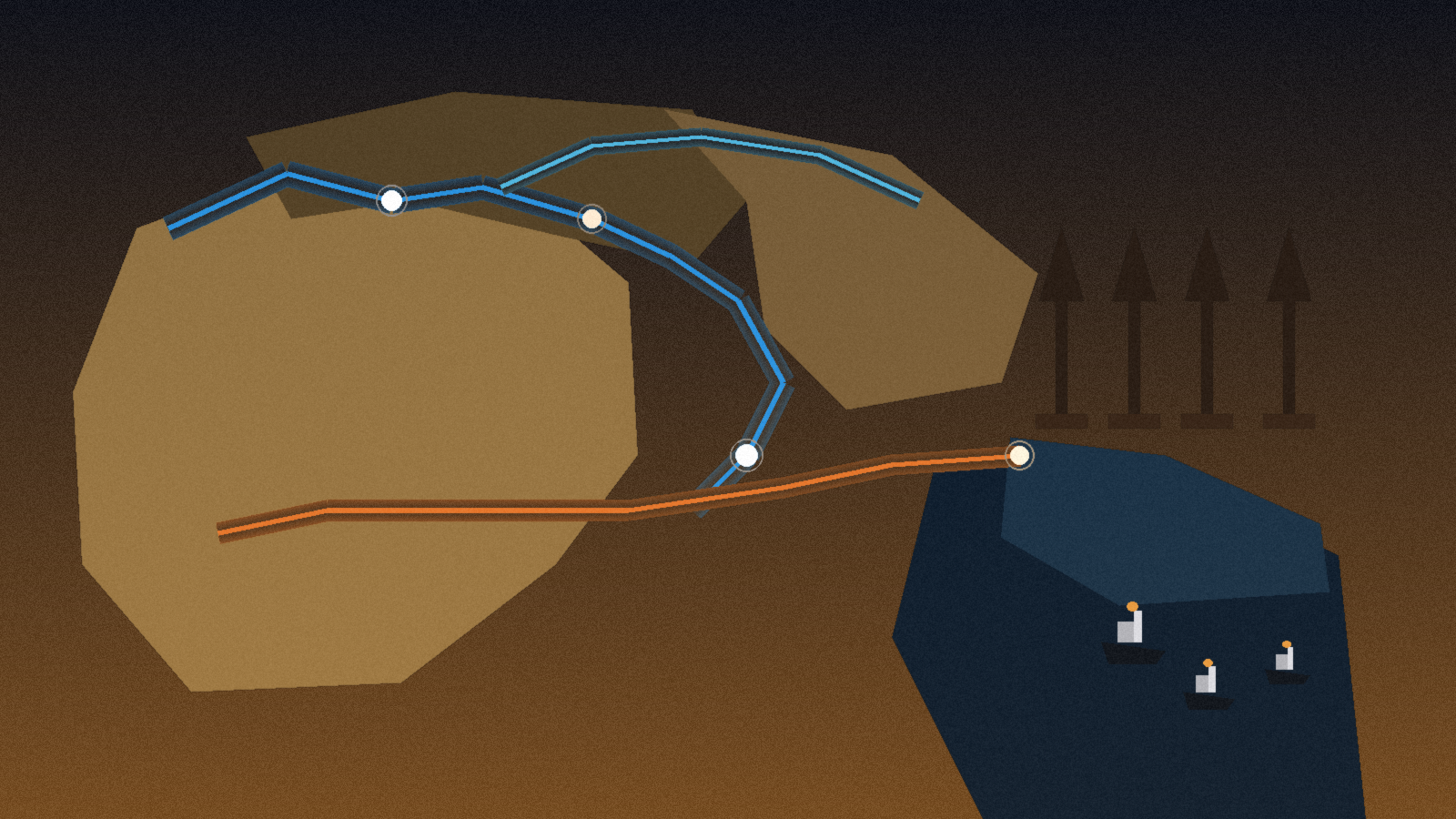
The immediate headline is oilfield development, but the more important detail is the route map. Chevron did not just show up to chase barrels. It showed up to help rebuild a logistics system that can move Iraqi crude without relying on the Strait of Hormuz.
That matters because the conflict premium has been living at the transit chokepoint, not only in the commodity itself. A company that can help diversify the export route gets paid twice: once on production economics and again on infrastructure optionality.
The stated figure set is large enough to force a re-think. If the market believes even part of the $60 billion stack is real, Iraq stops looking like a remote supply geography and starts looking like a strategic energy corridor.
Why it matters
Alternative pipelines reduce tail risk, but they also create a new capital allocation story.
Goldman Sachs' estimate that seven alternative pipelines could carry 14 million barrels per day by 2028 is the key number. It implies the region is not trying to eliminate Hormuz risk overnight; it is trying to make the global oil market less hostage to a single waterway.
That is a different valuation equation. Upstream producers still benefit from a tight market, but investors increasingly have to think about who owns the pipes, the pumping stations, the export terminals, and the political relationships that keep those assets operating.
For Chevron, ConocoPhillips, and the service ecosystem around them, the story is not just reserve replacement. It is whether long-duration infrastructure can reprice geopolitical fragility into durable cash flow.
| Asset or layer | What the headline says | Why the market cares |
|---|---|---|
| Chevron / Iraq production deals | Two oilfield agreements plus one pipeline investment | Adds reserve access and route optionality at the same time. |
| Iraq-Syria pipeline | Up to 2 million barrels per day | Turns a dead corridor into a live export backup. |
| Alternative pipeline network | 14 million barrels per day by 2028 | Makes the Strait of Hormuz less of a single point of failure. |
| Midstream / EPC stack | Pipeline steel, compression, and construction work | Captures the buildout even before every barrel flows. |
Read-through
The first beneficiaries are the companies that sell certainty, not just oil.
If this thesis extends, the read-through goes beyond the majors. Midstream operators, engineering contractors, and oilfield service names can all benefit if Iraq turns into a multi-route export system instead of a pure geology story.
That also matters for inflation. The market is less likely to treat every new Middle East headline as an immediate supply outage if capital keeps building around the chokepoints. But until the new routes are live, the near-term risk premium still has to stay high.
The deeper point is that oil equities are splitting into two trades: the commodity trade and the infrastructure-control trade. Chevron is now in both.
Route optionality is becoming the main energy variable
Mixed market indicators normalized to show how much of the supply stack is still tied to Hormuz risk.
Unidad: index, Hormuz = 100
Hormuz dependence
Current chokepoint
100
Alternative routes by 2028
Coverage estimate
60
Iraq-Syria pipeline
Single corridor
10
West Qurna-2 output
Field scale
2.3
Bottom line
The Iraq deal stack is a geopolitical hedge wrapped inside a long-cycle infrastructure bet.
The market should read the announcement as more than a Chevron growth line item. It is a sign that energy capital is moving upstream from the commodity into the routing layer that determines who can sell, where, and under what political conditions.
That is why the trade matters for U.S. equities even when the barrels are not immediately flowing. The business model is changing from pure extraction to extraction plus controlled access, and that is a different quality of cash flow.
If the buildout works, the winners are not just the producers. They are the firms that can turn an unstable transit map into a toll road.