
Latest
Latest Insights
Notas de investigación sobre resultados, estructura de mercado y estados financieros. Cada pieza empieza con la conclusión y luego presenta la evidencia y las implicaciones.
2026-07-14
%22%2F%3E%0A%20%20%3Ccircle%20cx%3D%22220%22%20cy%3D%22150%22%20r%3D%22180%22%20fill%3D%22%2322d3ee%22%20fill-opacity%3D%220.12%22%2F%3E%0A%20%20%3Ccircle%20cx%3D%221010%22%20cy%3D%22130%22%20r%3D%22220%22%20fill%3D%22%2338bdf8%22%20fill-opacity%3D%220.08%22%2F%3E%0A%20%20%3Ccircle%20cx%3D%22920%22%20cy%3D%22520%22%20r%3D%22170%22%20fill%3D%22%2322d3ee%22%20fill-opacity%3D%220.06%22%2F%3E%0A%20%20%3Cpath%20d%3D%22M140%20430h920%22%20stroke%3D%22url(%23line)%22%20stroke-width%3D%2212%22%20stroke-linecap%3D%22round%22%2F%3E%0A%20%20%3Cpath%20d%3D%22M220%20360c120-150%20260-220%20380-220s260%2070%20380%20220%22%20fill%3D%22none%22%20stroke%3D%22%2367e8f9%22%20stroke-opacity%3D%220.5%22%20stroke-width%3D%2216%22%20stroke-linecap%3D%22round%22%20stroke-linejoin%3D%22round%22%2F%3E%0A%20%20%3Cpath%20d%3D%22M300%20398h600%22%20stroke%3D%22%2394a3b8%22%20stroke-opacity%3D%220.24%22%20stroke-width%3D%228%22%20stroke-linecap%3D%22round%22%2F%3E%0A%20%20%3Ctext%20x%3D%22220%22%20y%3D%22510%22%20fill%3D%22%23e2e8f0%22%20fill-opacity%3D%220.7%22%20font-family%3D%22Arial%2C%20Helvetica%2C%20sans-serif%22%20font-size%3D%2238%22%20letter-spacing%3D%228%22%3EINSIGHTS%3C%2Ftext%3E%0A%3C%2Fsvg%3E)

Wall Street's Super Tuesday Puts the Big Banks in a Trading Test
Five of the largest U.S. banks are reporting on the same morning, and the market is not just checking earnings. It is checking whether trading, investment banking, and fee income can keep outrunning deposit competition, higher funding costs, and a noisy geopolitical backdrop.

Warsh's First Testimony Meets an Oil Shock and a 4.6% Treasury Yield
The market is heading into Kevin Warsh's first congressional testimony with oil prices higher, Treasury yields repricing, and traders already leaning hawkish. The question is no longer whether inflation is cooling in a straight line; it is whether the Fed's communication reset makes the market tolerate less forward guidance and more volatility.

Wells Fargo Reports Q2 2026 as the First Real Test of Whether It Can Climb Out of the Penalty Box
Wells Fargo enters its July 14, 2026 print having bounced off 52-week lows, with the market still treating the bank as a regulatory-recovery story rather than an earnings-growth story. The Q2 release has to prove that fee income, capital return, and an asset-cap conversation can move together, or the stock will keep trading like a fallen leader waiting for permission to fully re-rate.

Lucid Group's 16% Single-Day Crash on a Chapter 11 Rumor Is the First Real Stress Test of the Sovereign-Backed EV Model
Lucid Group closed down 16.15% at $4.62 on July 14, 2026 on volume of 152.27 million shares - more than 35x its 10-day average - after an EV-blog report claimed restructuring adviser AlixPartners was weighing Chapter 11 or a take-private path for the Saudi-backed automaker. Lucid's IR lead Nick Twork called the report 'completely false' and pointed to the $800 million loan draw from a Saudi affiliate on July 6 as proof of liquidity into 2027. The crash is the first public stress test of whether the sovereign-backed EV model can survive a liquidity scare, and the read-through matters for every loss-making EV OEM still burning cash.
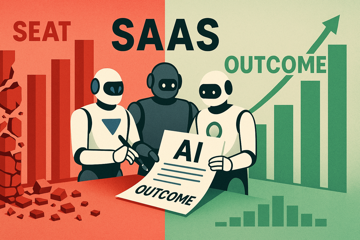
AI Agents Are About to Kill the SaaS Seat - and Sierra Just Made the Outcome-Pricing Bet Public
CNBC reported on July 14, 2026 that Sierra co-founder Clay Bavor said AI agents are moving from demos into real business workflows - customer service, sales, and support - and that outcome-based pricing could challenge the way software companies get paid. Sierra is the cleanest publicly-discussed example of the AI-agent outcome-pricing model, and the read-through is direct for Salesforce, ServiceNow, Snowflake, MongoDB, Datadog, and the entire enterprise-software seat-based cohort that has been the dominant pricing model for two decades.
2026-07-13

Massive AI Buildout Is Turning Into an Inflation Test Before It Becomes a Productivity Story
The AI spending boom is no longer just a future-growth story. With $720 billion of expected data-center investment, sharply higher memory-chip costs, and visible consumer price increases for laptops and consoles, the market now has to decide whether AI is adding durable productivity or leaking into the inflation data first.

AI Semiconductors Are in a Valuation Reset, Not a Demand Collapse
The July selloff in SK Hynix, Samsung Electronics, Micron, and the broader chip complex looks like a thesis break only if you stop at the tape. The better read is a crowded AI trade digesting geopolitics, index concentration, and expectations that had run ahead of near-term proof.

Bank Lending Guidance Turns Immigration Status Into a Credit Underwriting Variable
Federal regulators are now explicitly telling banks to treat immigration status as part of credit-risk analysis for borrowers who may not be legally authorized to work in the U.S. That is more than a policy headline: it changes underwriting, compliance costs, and the way banks think about certain customer segments.

China's Export Surge Shows AI Demand Is Still Pulling Global Supply Chains
China's June export data is not just a macro surprise. The 27% jump in exports and 36% rise in imports show that AI-related demand is still rippling through semiconductors, electronics, EVs, and shipping, even while domestic demand remains softer than the headline trade numbers imply.
Citigroup's Remake Is Now an Earnings and Capital-Return Test
The bank is entering earnings with the cleanest restructuring story on Wall Street, but the market still wants proof that simplification turns into higher ROTCE, better fees, and more buybacks. The read-through matters for Citigroup, JPMorgan Chase, Bank of America, Goldman Sachs, and Wells Fargo.

AI Data Centers Are Hitting the U.S. Grid Before They Hit Scale
Meta's expanded Louisiana build shows hyperscalers are still willing to spend at a shocking scale, but the real bottleneck is now transformers, interconnection queues, and local resistance. The winners are shifting from pure compute landlords to whoever can finance electricity.
The Strait of Hormuz Shock Is an Inflation Test Before It Is an Energy Trade
The latest U.S.-Iran escalation sent Brent and WTI higher, but the market consequence is broader than oil beta. If shipping risk persists, airlines, chemicals, retailers, and rate-sensitive growth all absorb a second-round inflation tax.

LNG Is Not Short Everywhere. It Is Becoming Scarce in the Wrong Places.
The latest LNG headlines show a market split into regional bottlenecks rather than one clean global price. Cheniere and other exporters can still benefit, but Europe, Asia, and gas-sensitive industries are paying the price of security risk and contract rigidity.

UnitedHealth and Elevance Health Are the Next Test of the Medicare Advantage Recovery
The next two insurer calls will tell the market whether the 2026 MA payment reset and easing utilization are enough to extend the rally in UnitedHealth, Elevance Health, and peers, or whether medical-cost inflation is starting to creep back.

OpenAI's Leadership Turnover Shows the Commercial Engine Is Still Not Settled
Fidji Simo's step-back and the latest safety-team departure show OpenAI is still rearranging who owns product, safety, and monetization. That matters because the company is trying to behave like a platform while its executive map keeps changing.

Paramount and Warner Bros. Discovery Are Being Repriced by Antitrust, Not Just Deal Math
The legal fight over the Paramount-Warner deal is no longer a merger-arbitrage footnote. With 12 states now trying to freeze the transaction, the market has to price regulatory duration, media concentration risk, and the possibility that content distribution gets revalued before the deal ever closes.
SK Hynix's 15% Crash Was a Liquidity Event, Not an AI Demand Reversal
The 15.4% plunge in SK Hynix and the 10.7% drop in Samsung Electronics looked like a thesis break, but the tape says leverage, geopolitical risk, and a cross-listing dislocation hit first. The deeper memory cycle is still tight, which means Seoul may be the weakest link even if the AI demand story stays intact.
2026-07-12
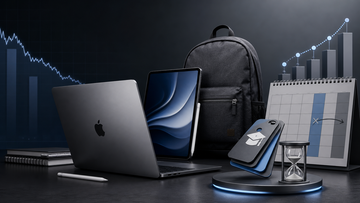
Apple's Back-to-School Delay Shows Premium Pricing Is Hitting Demand
Apple's 2026 back-to-school offer is late, and the delay matters because Apple already raised prices across Macs and iPads in June. The read-through is that premium positioning still works, but it is no longer frictionless: students, parents, and competing retailers now have more reason to wait, compare, and trade down.

Target's Back-to-School Reset Shows Retailers Are Selling Smart Value, Not Traffic
Target's back-to-school overhaul looks less like a pure discount event and more like a merchandising reset. The chain is leaning into newness, curated partnerships, and visible value so it can pull shoppers away from Walmart without racing to the absolute lowest price on every item.
2026-07-11

Qué esperar
Notas basadas en evidencia con un punto de vista visible.
Esta sección recoge análisis directos sobre resultados, reuniones de accionistas y estructura de mercado. Cada pieza nueva debe dejar clara la tesis, los hechos y las implicaciones desde las primeras pantallas.
Espera análisis directos, no comentarios genéricos.
Espera datos claros y argumentos fáciles de seguir.