
Capital Markets
Capital Markets Insights
Notas de investigación sobre resultados, estructura de mercado y estados financieros. Cada pieza empieza con la conclusión y luego presenta la evidencia y las implicaciones.
2026-07-15
%22%2F%3E%0A%20%20%3Ccircle%20cx%3D%22220%22%20cy%3D%22150%22%20r%3D%22180%22%20fill%3D%22%2322d3ee%22%20fill-opacity%3D%220.12%22%2F%3E%0A%20%20%3Ccircle%20cx%3D%221010%22%20cy%3D%22130%22%20r%3D%22220%22%20fill%3D%22%2338bdf8%22%20fill-opacity%3D%220.08%22%2F%3E%0A%20%20%3Ccircle%20cx%3D%22920%22%20cy%3D%22520%22%20r%3D%22170%22%20fill%3D%22%2322d3ee%22%20fill-opacity%3D%220.06%22%2F%3E%0A%20%20%3Cpath%20d%3D%22M140%20430h920%22%20stroke%3D%22url(%23line)%22%20stroke-width%3D%2212%22%20stroke-linecap%3D%22round%22%2F%3E%0A%20%20%3Cpath%20d%3D%22M220%20360c120-150%20260-220%20380-220s260%2070%20380%20220%22%20fill%3D%22none%22%20stroke%3D%22%2367e8f9%22%20stroke-opacity%3D%220.5%22%20stroke-width%3D%2216%22%20stroke-linecap%3D%22round%22%20stroke-linejoin%3D%22round%22%2F%3E%0A%20%20%3Cpath%20d%3D%22M300%20398h600%22%20stroke%3D%22%2394a3b8%22%20stroke-opacity%3D%220.24%22%20stroke-width%3D%228%22%20stroke-linecap%3D%22round%22%2F%3E%0A%20%20%3Ctext%20x%3D%22220%22%20y%3D%22510%22%20fill%3D%22%23e2e8f0%22%20fill-opacity%3D%220.7%22%20font-family%3D%22Arial%2C%20Helvetica%2C%20sans-serif%22%20font-size%3D%2238%22%20letter-spacing%3D%228%22%3EINSIGHTS%3C%2Ftext%3E%0A%3C%2Fsvg%3E)
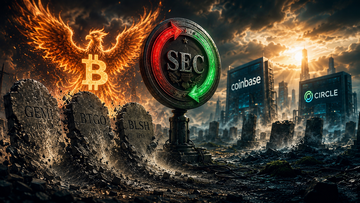
Gemini Space Station Is Down ~88% From Its $37 IPO - And the Verified Fundamentals Define What the Crypto-IPO Cohort Actually Is
Gemini Space Station closed at $4.34 on July 14, 2026, down ~88% from its $37 IPO price, on light volume of 808,052 shares. The 52-week range is $3.83 to $45.89. Market cap is $548.01 million. TTM revenue is $194.522 million. Net margin is -278.90%. EPS is -$10.87. EBITDA is -$324.18 million. Debt-to-equity is 102.68%. CEO is Tyler Winklevoss; President is Cameron Winklevoss. The verified fact set says the crypto-IPO cohort is being repriced by fundamentals, not just sentiment. Coinbase, Circle, and the spot Bitcoin ETFs are the cleaner reads on the broader digital-asset complex.
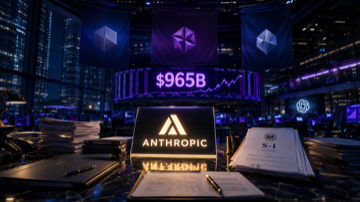
Anthropic Is Now the Cleanest Test of Whether a $965B Private AI Can Survive Wall Street's Discipline
CNBC reported on July 15, 2026 that Anthropic is scheduling investor meetings with Goldman Sachs, Morgan Stanley, and JPMorgan Chase ahead of a potential IPO as soon as October, with a confidential SEC filing already in place. The company closed a $65B funding round at a $965B valuation in May, putting it above OpenAI's $852B private mark. The Anthropic listing would be the first mega-private-AI IPO test, and the read-through is direct for the entire cap-markets fee pool that the Street has been modeling higher - and for the AI multiple that the public tape has been paying for every other mega-cap.
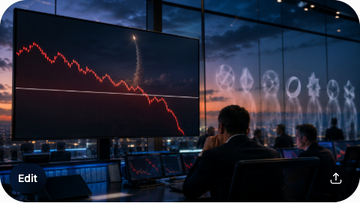
SpaceX Acaba de caer por debajo de su precio de IPO de 135$ por primera vez - y la operación de privado a público ya es la prueba vinculante para cada nombre de última etapa en el pipeline
CNBC informó el 15 de julio de 2026 que SpaceX cerró en 135,27$ en su cuarta sesión consecutiva con pérdidas - el primer cierre por debajo del precio récord de 135$ de la IPO de junio de 2026 de 86B$ - días después de que la inclusión en el Nasdaq-100 trajera compradores pasivos y de cara al decimotercer vuelo de prueba de Starship el jueves 16 de julio. La caída por debajo de ese nivel es la lectura más limpia de si la fijación de precios privada de fines de 2025 / principios de 2026 se sostiene cuando 400B$+ de papel acumulado de tecnología privada intenta abrirse paso en el mercado público. La lectura es directa para Anthropic, OpenAI, Stripe, Shein, Databricks, Canva y para todo el grupo privado de última etapa que ahora se pone en fila para las ventanas de IPO de 2026-2028.
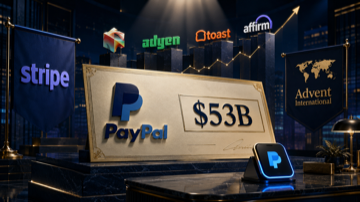
Stripe and Advent's $53B Bid for PayPal Is the First Mega-Deal That Says Fintech M&A Is Back
Stripe and Advent International made a $53 billion all-cash takeover offer for PayPal at $60.50 per share on July 15, 2026, sending PYPL up 17.20% to close at $55.52 on 72.5 million shares - roughly 7x its 10-day average volume. The bid is the first mega-deal of the post-SpaceX IPO window and re-prices the entire fintech M&A funnel: Block, Adyen, Robinhood, Toast, Payoneer, and Western Union all move with this trade. The bid premium, the consortium structure, and the unanswered response from PayPal's board all signal that fintech consolidation is no longer theoretical.
2026-07-14

Private Credit Is No Longer Quietly Carrying the Risk - It Is the Risk
Private credit is being stress-tested in public for the first time since the asset class scaled, with AP reporting that higher rates are squeezing borrowers and forcing the industry to defend NAV marks. The exposure matters far beyond Apollo, KKR, Blackstone, Blue Owl, and Ares; it now sits inside the loan books of regional banks, BDC ETFs, and the AI capex financing pipeline.

SpaceX Is Now Trading Like a Post-IPO Test of Whether Mega-Cap Private Tech Can Clear the Public Market
SpaceX closed at $139.14 on July 13, 2026, after touching a 52-week low of $136.78, having fallen from a $225.64 high set on June 16. The slide is more than a chart event. It is the first serious test of whether a private-era mega-cap can survive the public-market discipline of lockup expiries, index inclusions, and investor rotation.

Wall Street's Super Tuesday Puts the Big Banks in a Trading Test
Five of the largest U.S. banks are reporting on the same morning, and the market is not just checking earnings. It is checking whether trading, investment banking, and fee income can keep outrunning deposit competition, higher funding costs, and a noisy geopolitical backdrop.
2026-07-13

AI Semiconductors Are in a Valuation Reset, Not a Demand Collapse
The July selloff in SK Hynix, Samsung Electronics, Micron, and the broader chip complex looks like a thesis break only if you stop at the tape. The better read is a crowded AI trade digesting geopolitics, index concentration, and expectations that had run ahead of near-term proof.
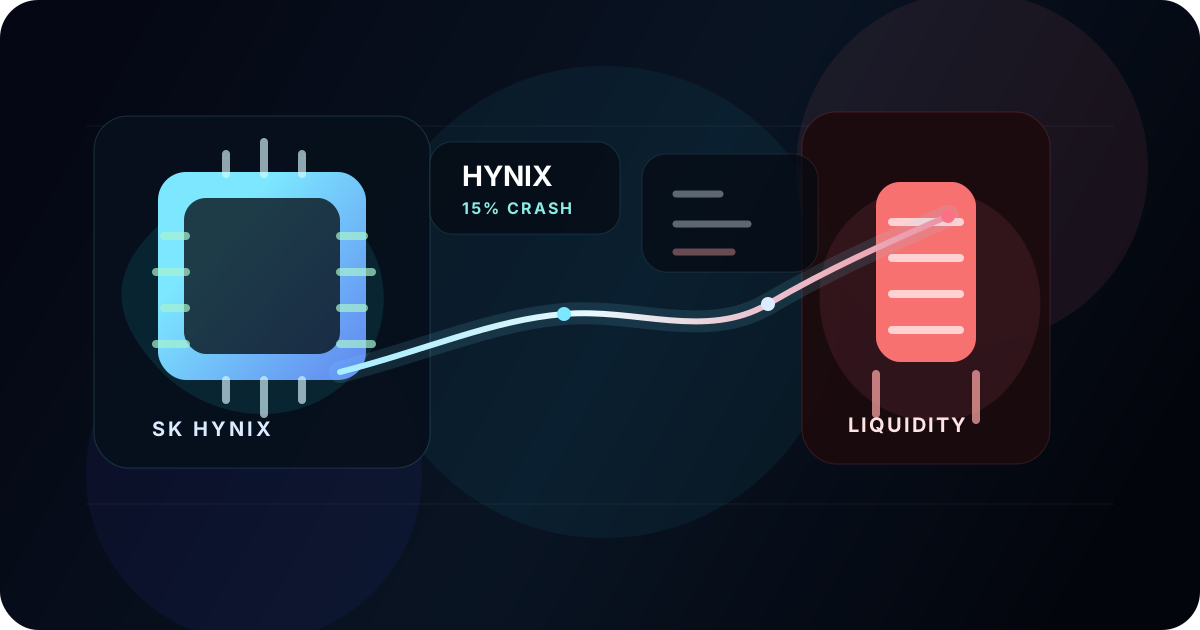
SK Hynix's 15% Crash Was a Liquidity Event, Not an AI Demand Reversal
The 15.4% plunge in SK Hynix and the 10.7% drop in Samsung Electronics looked like a thesis break, but the tape says leverage, geopolitical risk, and a cross-listing dislocation hit first. The deeper memory cycle is still tight, which means Seoul may be the weakest link even if the AI demand story stays intact.
2026-07-11

Circle's Bank Charter Makes USDC a Wall Street Infrastructure Story
The OCC approval gives Circle federal oversight and turns a crypto stock into a regulated payments-infrastructure play.
The Dow Is a Price-Weighted Narrative Machine
The Dow is not a broad market map. It is a 30-stock, price-weighted signal that still matters because it is simple, durable, and culturally sticky.
The Nasdaq Composite Is the Market's Innovation Thermometer
The Nasdaq Composite is broad, market-cap weighted, and still disproportionately driven by a small cluster of mega-cap innovators. That is why it reads like innovation beta rather than a plain stock list.
SK Hynix's Nasdaq Debut Is a Read-Through on AI Memory Scarcity
The largest foreign listing in U.S. history is really a pricing signal for HBM, packaging, and AI supply chains.
The S&P 500 Is the Market's Institutional Core
The S&P 500 is the benchmark that matters because it covers about 80% of available U.S. market capitalization, uses float-adjusted weighting, and sits at the center of passive and active portfolio construction.
SpaceX in the Nasdaq-100 Turned a Space Stock Into a Passive-Flow Test
SpaceX's inclusion in the Nasdaq-100 matters less as a space headline than as a test of how much passive capital can move a stock with tiny float and huge expectations.
2026-07-10
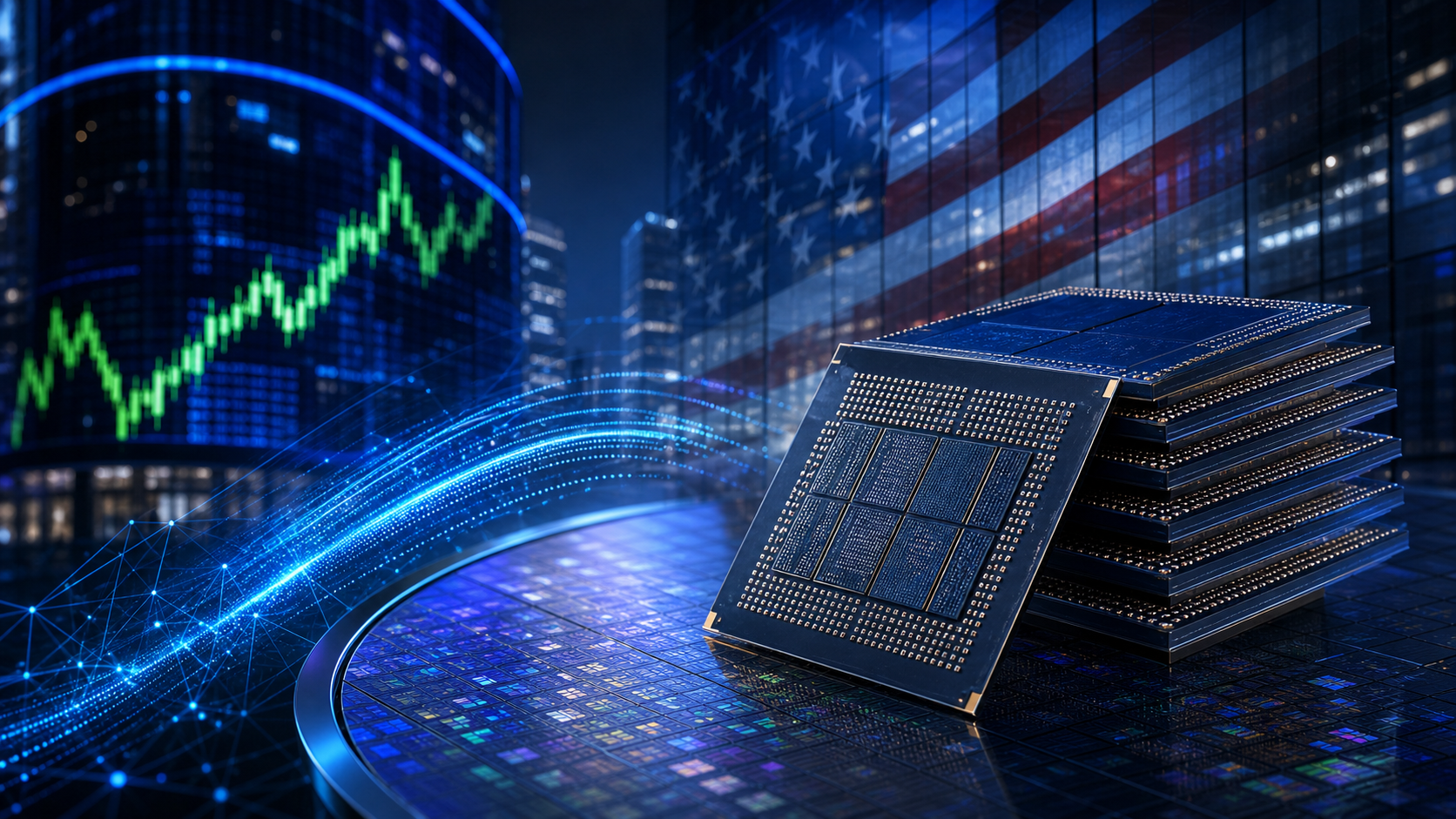
SK Hynix on Nasdaq: Why the U.S. Listing Matters, What It Changes, and Where the Trap Is
A structured deep dive into the proposed U.S. listing, SK Hynix's operating inflection, and the AI-memory supply chain bottleneck behind the move.

SpaceX on Nasdaq: Liquidity, Control, and What Public Markets Really Buy
A deep dive into why SpaceX chose a public listing, what the market gets, and why governance and capex remain the real risks.
2026-07-08

SEC's IPO Surge Reopens the Public Markets Funnel
The SEC says Q1 2026 saw 99 IPOs raise over $22 billion, versus 84 IPOs raising over $11.8 billion a year earlier. That rebound matters because the agency is now pairing fresh capital-formation data with a July roundtable on modernizing IPOs and expanding access to public markets, which could reshape how banks, exchanges, and pre-IPO companies think about the public-market funnel.
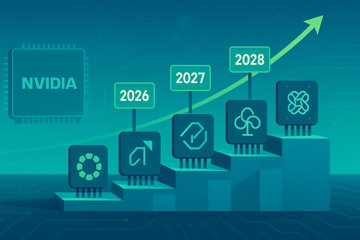
The 2026-2028 AI Chip IPO Pipeline Is Now 5 Names Deep - SambaNova, Rebellions, Tenstorrent, Cerebras, and Baidu Kunlunxin
CNBC reported on July 8, 2026 that SambaNova CEO Kunle Olukotun said the company is 'strongly considering' an IPO, likely in the U.S. - joining Rebellions (targeting a South Korea IPO in 2026) and Baidu Kunlunxin (targeting a Hong Kong IPO at $50B). The 2026-2028 AI chip IPO pipeline now has 5 names, and the read-through is direct for Nvidia, AMD, Broadcom, TSMC, ASML, and the broader AI capex stack that depends on the GPU-vs-custom-chip competition.
2026-07-07
Qué esperar
Notas basadas en evidencia con un punto de vista visible.
Esta sección recoge análisis directos sobre resultados, reuniones de accionistas y estructura de mercado. Cada pieza nueva debe dejar clara la tesis, los hechos y las implicaciones desde las primeras pantallas.
Espera análisis directos, no comentarios genéricos.
Espera datos claros y argumentos fáciles de seguir.