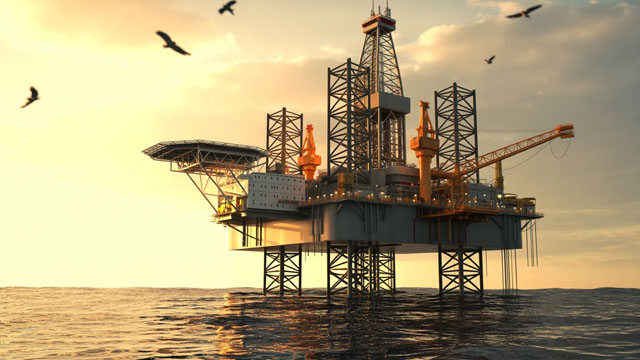
Ecopetrol SA engages in the exploration, development, and production of crude oil and natural gas. It operates through the following segments: Exploration ...
Ecopetrol S.A. (NYSE: EC) is an integrated hydrocarbons company headquartered in Bogotá, Colombia. The business spans the full value chain, including exploration and production (E&P) of crude oil and natural gas, transportation and logistics (notably pipeline and related midstream activities), and refining and petrochemical operations that convert crude into fuel ...Ecopetrol S.A. (NYSE: EC) is an integrated hydrocarbons company headquartered in Bogotá, Colombia. The business spans the full value chain, including exploration and production (E&P) of crude oil and natural gas, transportation and logistics (notably pipeline and related midstream activities), and refining and petrochemical operations that convert crude into fuel products and petrochemical feedstocks.
From a business perspective, Ecopetrol is positioned to capture value across upstream and downstream segments, which can help stabilize results when crude markets and refining margins move differently. Its operational model links the supply of produced hydrocarbons to domestic transportation and refining capabilities, supporting the company’s role in meeting energy demand in Colombia and serving regional needs.
Product and service scope includes: (1) crude oil and natural gas production, (2) transportation/logistics through pipelines and related infrastructure, and (3) refining and petrochemical product manufacturing, with outputs such as motor fuels, fuel oils, and petrochemicals. This integrated structure typically involves capital-intensive assets (fields, pipelines, refineries), ongoing maintenance and safety compliance, and continuous operational planning around production volumes and downstream utilization.
On cost and operations, the company’s performance depends heavily on commodity prices, operating efficiency, and energy/inputs used in production and refining. Like other integrated oil and gas firms, Ecopetrol’s cost base is influenced by lifting costs, transportation tariffs/throughput economics, refinery maintenance turnaround schedules, and working capital dynamics driven by receivables and inventory levels. Capital expenditure (capex) programs are central to sustaining and growing production as well as maintaining and upgrading midstream and refining assets.
Financially, the provided metrics indicate Ecopetrol is a large-cap public company with substantial market capitalization and meaningful profitability and cash generation characteristics typical of integrated operators. Key financial considerations for investors generally include leverage, interest coverage, free cash flow conversion, and the balance between shareholder distributions (dividends) and reinvestment needs.
Regarding key people, the dataset lists Juan Carlos Hurtado Parra as CEO. Ecopetrol’s strategic direction is also shaped by long-term planning initiatives (e.g., multi-year operational and financial goals) that guide investment priorities across upstream projects, midstream capacity, and refining/petrochemical development.
Overall, Ecopetrol’s goal is to remain a competitive integrated energy provider by managing the energy transition while strengthening core hydrocarbon operations—balancing production growth, asset reliability, and disciplined capital allocation—so it can sustain long-term value creation for stakeholders.
Plutux no es un asesor de inversiones. Los datos de mercado y el análisis generado por IA son solo informativos y educativos, no asesoramiento de inversión. Aviso legal
InteranualYoY significa Year-over-Year (interanual). Compara el último valor anual con el valor anual anterior para mostrar la fortaleza de la tendencia a largo plazo.
TrimestralQoQ significa Quarter-over-Quarter (intertrimestral). Compara el último trimestre con el trimestre inmediatamente anterior para mostrar cambios de impulso a corto plazo.
IngresosEl dinero total que entró por la puerta principal al vender cosas, antes de pagar una sola factura. Piensa en esto como el gran total de cada compra con tarjeta de los clientes. (YoY compara el rendimiento de este año con el del año pasado, mientras que QoQ compara los tres meses actuales con los tres anteriores).
$111481.6B
-16.4%
+30.8%
Beneficio netoEl resultado final absoluto. Si la empresa pagara a cada proveedor, empleado, banquero y recaudador de impuestos, este es el dinero real que queda en su bolsillo al final del día.
$8395.5B
-39.3%
+95.6%
Margen brutoEl margen básico. Si venden unas zapatillas de 100 dólares, este porcentaje indica cuánto de ese precio es ganancia justo después de pagar el caucho y los cordones, pero antes de pagar el alquiler de la tienda o los anuncios de televisión.
+31.4%
-10.5%
+3.2%
Margen operativoLa puntuación de eficiencia del 'trabajo diario'. De cada dólar que gasta un cliente, esto muestra cuántos centavos mantiene la empresa después de fabricar el producto Y pagar todos los gastos generales corporativos (como salarios, marketing y mantener las luces encendidas).
+22.3%
-22.8%
+6.3%
Margen netoEl porcentaje final que se lleva a casa. Cuando se eliminan todos los costos concebibles, impuestos y pagos de intereses, este es el número exacto de centavos que la empresa realmente se queda de cada dólar en ventas.
+7.5%
-27.5%
+49.6%
Flujo de caja libreEl santo grial del efectivo corporativo. Es el dinero físico gastable que queda después de que el negocio paga sus operaciones diarias Y compra las actualizaciones grandes y costosas (como nuevas fábricas o servidores) que necesita para sobrevivir. Este es el dinero 'libre' que pueden usar para pagar dividendos o recomprar acciones.
$16195.0B
-50.2%
+6.7%
Margen FCFLa tasa definitiva de conversión de efectivo. Muestra qué tan buena es la empresa para convertir ventas regulares directamente en efectivo frío, duro y gastable. Un porcentaje alto significa que el negocio es una auténtica máquina de imprimir dinero.
+14.5%
-40.5%
-18.4%
Deuda/PatrimonioEl indicador de riesgo financiero. Compara cuánto del imperio de la empresa se construyó con dinero prestado (préstamos) frente al dinero propio de los propietarios (accionistas). Un número alto significa que están muy apalancados y juegan un juego más arriesgado; un número bajo significa que juegan a lo seguro.
130.4%
-9.0%
-8.9%
Ratio corrienteLa verificación de supervivencia de 12 meses. Simplemente compara el efectivo que tienen ahora mismo (más cosas que pueden convertirse rápidamente en efectivo) con las facturas inmediatas que absolutamente deben pagar este año. Una puntuación superior a 1 significa que tienen suficiente en la billetera para cubrir las próximas facturas sin entrar en pánico.
1.55x
+1.2%
+20.1%
Activos totalesEl tamaño absoluto del imperio de la empresa. Agrupa absolutamente todo lo valioso que poseen, desde el efectivo en la caja registradora y el inventario en el almacén, hasta las patentes de software en la bóveda y las fábricas en el suelo.
Operator: Good morning. My name is Natalia, and I will be your operator today. Welcome to Ecopetrol's earnings conference call, in which we will discuss the main financial and operating results of the second quarter of 2026. There will be a question-and-answer session at the end of the presentation. Before we begin, it is important to mention that the comments in this call by Ecopetrol's senior management include projections of the company's future performance. These projections do not constitute any commitment as to future results nor do they take into account risks or uncertainties that could materialize. As a result, Ecopetrol assumes no responsibility in the event that future results are different from the projections shared on this conference call. The call will be led by Mr. Juan Carlos Hurtado, acting CEO of Ecopetrol; Camilo Barco, CFO; and Carlos Mauricio Avila, Acting Executive Vice President of Hydrocarbons. Thank you for your attention. Mr. Hurtado, you may begin your conference.
Juan Carlos Parra: Welcome to Ecopetrol Group's Second Quarter 2026 Earnings Conference Call. This is Juan Carlos Hurtado Parra, Acting Chief Executive Officer of Ecopetrol Group. During the second quarter, Ecopetrol Group successfully capitalized on a favorable international crude oil and fuels market environment, supported by the strength of our integrated business model, differentiated commercial strategy and disciplined operational execution. As a result, we delivered COP 4.2 trillion in revenue, COP 17.7 trillion in EBITDA and COP 6.1 trillion in net income, representing increases of 35%, 59% and 235%, respectively, compared with the same period last year. These results reflect our ability to capture value across the entire value chain and were primarily driven by 3 factors: first, a favorable pricing environment with Brent averaging USD 97 per barrel and a strong recovery in international refining margins. Second, differentiated commercial management, which enabled us to improve our crude oil differentials by USD 3.67 per barrel compared to the first quarter despite a challenging environment for heavy crude grades. And third, strong operational execution in transportation and refining with the latter making a significant contribution to value creation during the quarter. Regarding investments, we continue advancing according to plan. As of June, we had executed USD 2.9 billion, maintaining our focus on production, energy security, strategic infrastructure and energy transition projects that support the group's competitiveness and future growth. Additionally, during the first half of the year, we complied with the dividend payment schedule approved by the General Shareholders' Meeting, reaffirming our commitment to the value creation for all shareholders. With respect to the Fuel Price Stabilization Fund, during the quarter, we received COP 1 trillion payment corresponding to the accrual of the second quarter of 2025. Furthermore, higher international …