

TradingView2026. 7. 13.Neutral (0.076)
WEAT ETF 프로필: 배당, 수익률 (LSE:WEAT)
이 글은 런던 증권거래소(LSE)에서 거래되는 WisdomTree Wheat(WEAT) ETF의 프로필을 제공합니다. 운용자산(AUM), 비용 비율, 복제(리플리케이션) 방식 등 핵심 통계를 자세히 설명합니다. 또한 성과 지표를 다루며, WEAT는 배당을 지급하지 않는다고 명확히 합니다.

Campbell Soup Company (CPB)는 다양한 식품 및 음료 제품을 생산·마케팅하는 글로벌 선도 기업입니다. 이 회사는 두 개의 주요 운영 부문을 통해 사업을 ...
이 글은 런던 증권거래소(LSE)에서 거래되는 WisdomTree Wheat(WEAT) ETF의 프로필을 제공합니다. 운용자산(AUM), 비용 비율, 복제(리플리케이션) 방식 등 핵심 통계를 자세히 설명합니다. 또한 성과 지표를 다루며, WEAT는 배당을 지급하지 않는다고 명확히 합니다.
Campbell's는 포트폴리오를 전략적으로 재편해 수프의 비중을 줄이고 스낵을 늘리는 한편, 공급망 효율성도 끌어올렸습니다. 이 전략은 지속적인 브랜드 투자로 이어져 경쟁 우위를 공고히 하며, 그 결과 일관된 유기적 매출 성장과 견조한 영업 이익률을 만들어냈습니다.

Campbell Soup 주식(CPB)은 소비 필수재 보유 종목으로서 안정적인 위치를 유지하며, 오랫동안 자리 잡은 포장 식품 제조업체로서의 역할을 반영합니다. 회사는 인플레이션, 변화하는 소비자 선호, 그리고 프라이빗 라벨 브랜드의 경쟁 같은 과제에 직면해 있지만, 강력한 브랜드 인지도, 유통 네트워크, 그리고 선반 보관이 가능한 다양한 식품 및 스낵 제품으로 이를 헤쳐 나갑니다. 투자자에게 Campbell Soup는 빠른 성장보다는 안정적인 현금 흐름과 배당으로 알려진 방어형 주식입니다.

Hormel Foods의 주식은 성숙한 배당 중심의 프로필로 특징지어지며, 브랜드 단백질, 편의식, 국제 확장을 활용하는 전략에 의해 추진됩니다. 회사는 미국 소매 및 푸드서비스에서의 다각화된 포트폴리오를 통해 현금 흐름을 지속하고 장기 주주 수익을 제공하는 것을 목표로 하는 한편, 원자재 비용을 적극적으로 관리하고 부가가치 제품에 집중합니다. 이러한 접근과 식품 안전에 대한 강한 강조, 공급망 회복탄력성, 그리고 절제된 인수 전략은 Hormel을 소비 필수재 부문에서의 안정적인 방어형 투자로 자리매김하게 합니다.

캠벨 수프 주식은 진열대에 오래 보관 가능한 수프, 식사, 스낵으로 알려진 전형적인 포장식품 사업을 대표하며, 방어적인 소비재 노출을 원하는 투자자들의 관심을 끕니다. 특히 집에서 먹는 트렌드에 대한 회사의 안정적인 수요와 폭넓은 제품 포트폴리오가 일관된 실적 패턴과 포트폴리오 다각화 가능성에 기여합니다. 캠벨 수프는 미국의 주요 주식 거래소에 상장되어 있으며, 그 성과는 종종 다른 소비자 필수품 상장사들과 비교됩니다.

이 글은 런던 증권거래소(LSE)에서 거래되는 WisdomTree Wheat(WEAT) ETF의 프로필을 제공합니다. 운용자산(AUM), 비용 비율, 복제(리플리케이션) 방식 등 핵심 통계를 자세히 설명합니다. 또한 성과 지표를 다루며, WEAT는 배당을 지급하지 않는다고 명확히 합니다.
Campbell's는 포트폴리오를 전략적으로 재편해 수프의 비중을 줄이고 스낵을 늘리는 한편, 공급망 효율성도 끌어올렸습니다. 이 전략은 지속적인 브랜드 투자로 이어져 경쟁 우위를 공고히 하며, 그 결과 일관된 유기적 매출 성장과 견조한 영업 이익률을 만들어냈습니다.
Campbell Soup 주식(CPB)은 소비 필수재 보유 종목으로서 안정적인 위치를 유지하며, 오랫동안 자리 잡은 포장 식품 제조업체로서의 역할을 반영합니다. 회사는 인플레이션, 변화하는 소비자 선호, 그리고 프라이빗 라벨 브랜드의 경쟁 같은 과제에 직면해 있지만, 강력한 브랜드 인지도, 유통 네트워크, 그리고 선반 보관이 가능한 다양한 식품 및 스낵 제품으로 이를 헤쳐 나갑니다. 투자자에게 Campbell Soup는 빠른 성장보다는 안정적인 현금 흐름과 배당으로 알려진 방어형 주식입니다.
Hormel Foods의 주식은 성숙한 배당 중심의 프로필로 특징지어지며, 브랜드 단백질, 편의식, 국제 확장을 활용하는 전략에 의해 추진됩니다. 회사는 미국 소매 및 푸드서비스에서의 다각화된 포트폴리오를 통해 현금 흐름을 지속하고 장기 주주 수익을 제공하는 것을 목표로 하는 한편, 원자재 비용을 적극적으로 관리하고 부가가치 제품에 집중합니다. 이러한 접근과 식품 안전에 대한 강한 강조, 공급망 회복탄력성, 그리고 절제된 인수 전략은 Hormel을 소비 필수재 부문에서의 안정적인 방어형 투자로 자리매김하게 합니다.
캠벨 수프 주식은 진열대에 오래 보관 가능한 수프, 식사, 스낵으로 알려진 전형적인 포장식품 사업을 대표하며, 방어적인 소비재 노출을 원하는 투자자들의 관심을 끕니다. 특히 집에서 먹는 트렌드에 대한 회사의 안정적인 수요와 폭넓은 제품 포트폴리오가 일관된 실적 패턴과 포트폴리오 다각화 가능성에 기여합니다. 캠벨 수프는 미국의 주요 주식 거래소에 상장되어 있으며, 그 성과는 종종 다른 소비자 필수품 상장사들과 비교됩니다.

맥코믹 & 컴퍼니(MKC)는 향신료와 조미료 분야의 글로벌 리더로서의 입지를 유지하며, 강력한 브랜드 자산과 규모의 이점을 바탕으로 성장을 견인합니다. 회사의 다각화된 포트폴리오는 소비자와 푸드서비스 채널 모두에 서비스를 제공해 수요 변화 속에서도 회복력을 제공합니다. 맥코믹의 브랜디드 풍미 제품에 대한 전략적 집중, 글로벌 요리에 대한 혁신, 효율성 개선은 장기 성장의 핵심 동인이지만, 원자재 비용, 경쟁, 규제 변화로 인한 리스크에 직면해 있습니다.

이 글은 COF 주식(캠벨 수프 컴퍼니를 의미)을 성숙한 브랜디드 식품 사업의 한 단면으로 설명합니다. COF에 투자하는 이들은 빠른 확장보다 장기 마진과 현금 창출을 우선시하며, 비용 규율, 필수 식품 범주에서의 수요 안정성, 효과적인 자본 배분에 집중합니다. 회사의 전략은 아이코닉 수프, 스낵, 간단한 식사 브랜드의 포트폴리오를 혁신, 공급망 회복력, 변화하는 소비자 취향 및 규제 환경에 대한 적응을 통해 관리하는 데 있습니다.

포스트 홀딩스 인크.(POST) 주식은 시리얼, 냉장 제품, 액티브 뉴트리션에 이르는 브랜드를 아우르는 다각화 포장식품 그룹으로서의 위치를 반영합니다. 회사의 전략은 강력한 소비자 수요와 장기 현금 창출에 초점을 맞추면서, 안정적인 카테고리와 성장성이 있는 틈새를 균형 있게 조합합니다. 다중 세그먼트 포트폴리오는 전략적 인수와 규율 있는 자본 배분을 통해 진화하는 소비자 선호에 적응하고 비용을 관리하며 리스크를 완화하는 것을 목표로 합니다.

General Mills (GIS) is focusing on cost savings and innovation to counteract soft consumer demand projected for fiscal 2027. The company aims for $3 billion in cumulative savings by 2030 and is streamlining its portfolio, including the sale of its U.S. yogurt business. Despite these efforts, demand softness remains a key challenge, and investors are looking for improved organic sales and margin delivery.
Stephens has reaffirmed its "equal weight" rating for Hormel Foods (NYSE:HRL) with a $25 price target, suggesting a modest upside. This rating aligns with the general "Hold" consensus among analysts, who have an average target price of $26. Recently, Hormel Foods surpassed quarterly earnings expectations, reporting an EPS of $0.40 against an estimated $0.35, with revenue also slightly exceeding forecasts and increasing by 2.6% year-over-year.

Campbell Soup stock remains stable due to its defensive packaged-food portfolio and extensive grocery presence. The company's stock, traded on the NYSE as CPB, is appealing to investors for its steady categories, recognizable brands, and business model that withstands economic shifts. The core focus for Campbell is maintaining profit margins on sales, emphasizing operating efficiency over revenue breadth given its established scale.

Campbell Soup Co. is managing higher input costs, evolving consumer preferences, and competitive pressures by implementing strategic pricing, productivity enhancements, and brand investments. The company utilizes targeted price increases, product mix management, and a focus on multi-pack offerings to maintain margins and volumes, while also investing in advertising and innovation to keep its diverse brand portfolio relevant. As a defensive consumer staple, Campbell Soup's stock is closely watched by investors for stable dividends and predictable cash flows amidst market fluctuations.

Campbell Soup Co. maintains its strong position in the packaged foods sector by focusing on its core soup and snack brands, emphasizing margin discipline, and investing in brand recognition. The company benefits from stable consumer demand for its products, which are less sensitive to economic fluctuations, and aims for consistent financial performance through operational efficiency and strategic brand management. Its business model prioritizes reliability and convenience for consumers, making it a defensive stock in the consumer staples market.

Campbell's Cream of Mushroom soup remains a core product for Campbell Soup Company, contributing significantly to its condensed soup portfolio. While facing competition from other soup categories and private labels, Campbell's maintains its market presence through accessible pricing, brand trust, and aggressive recipe-based marketing, particularly during holiday seasons. The product is seen as foundational to the company's strategy, anchoring shelf space and supporting steady demand for the Campbell Soup Company stock.
WealthPLAN Partners LLC reduced its stake in PepsiCo (NASDAQ:PEP) by 31.8% in the first quarter, now holding 17,591 shares valued at $2.73 million. Institutional investors collectively own 73.07% of PepsiCo's stock, with several firms recently initiating or increasing positions. While PepsiCo beat recent earnings estimates and increased its dividend, analysts currently have a consensus "Hold" rating with a target price of $165.00.
Geneva Partners LLC has acquired a new position in Hershey Company (HSY) during the first quarter, purchasing 12,932 shares valued at approximately $2.69 million, representing 1.3% of its holdings. This move comes as Hershey reported strong Q1 earnings, beating analyst expectations with EPS of $2.35 and revenue of $3.10 billion, showing a 10.7% year-over-year increase. Despite mixed analyst sentiment and a "Hold" consensus, several other institutional investors also modified their stakes in HSY.

The Campbell's Co., encompassing brands like Pepperidge Farm and Goldfish, has been named a 2026 honoree of The Civic 50 by Points of Light. This recognition highlights Campbell's excellence in corporate social impact, including employee volunteering, community investment, and social impact strategy. The company focuses on increasing food access, promoting healthy living, and nurturing communities through initiatives like its Full Futures program and dedicated employee volunteer hours.

Campbell Soup Co. navigates the mature packaged foods market by emphasizing brand strength, operational efficiency, and adapting to changing consumer tastes. The company's portfolio of soups, simple meals, and snacks positions it as a defensive consumer staples business. Key strategies include managing costs, evolving product lines to meet health trends, and leveraging its scale in manufacturing and distribution.

Hormel Chili No Beans is highlighted as a key shelf-stable, high-protein pantry item for US consumers, popular for quick meals and game-day dips. The article details its product features, availability, nutritional aspects, and its strategic importance within Hormel Foods' broader portfolio. It also touches upon the competitive landscape and the product's role in emergency preparedness.
The article provides a Q1 earnings season recap for shelf-stable food stocks, focusing on Hormel Foods (NYSE:HRL). It highlights Hormel Foods' strong performance with revenues of $2.97 billion and a significant stock increase, while also reviewing other companies like Hershey (NYSE:HSY), BellRing Brands (NYSE:BRBR), B&G Foods (NYSE:BGS), and Campbell's (NASDAQ:CPB). The piece also includes a brief market update discussing shifts from AI and crypto anxieties to geopolitical risks.
Campbell Soup Co. is navigating a resilient consumer staples market, with investors closely watching its upcoming earnings, margin performance, and the strength of its packaged foods and snacks portfolio. The company's stable demand in shelf-stable meals makes its earnings predictable, while margins are key due to fluctuating input costs. Strong brands and product diversification help maintain pricing power and consumer loyalty.

This article reviews Q1 performance for several shelf-stable food stocks, highlighting Hormel Foods (HRL) as a strong performer with revenues up 2.5% year-on-year and a significant stock increase. It also details the best performer, Hershey (HSY), and the weakest, BellRing Brands (BRBR), along with reports on B&G Foods (BGS) and Campbell's (CPB). The broader sector experienced mixed results, with revenues generally in line but future guidance lower.

Campbell Soup has released its Chunky Pub Style Chicken Pot Pie Soup, a single-serve, comfort-food oriented product aimed at busy US households. The soup, part of the established Campbell's Chunky line, features hearty chicken, vegetables, and a biscuit-style topping flavor. It is widely distributed across US retailers and positions itself as an affordable, quick meal option, tapping into consumer demand for classic, nostalgic flavors.

Campbell Soup effectively manages shifting consumer demands and input costs by leveraging its strong portfolio of packaged food brands and consistent cash flows. The company operates in a defensive sector, providing resilient demand for its everyday food staples regardless of economic fluctuations. Its strategic brand positioning and broad distribution channels through major retailers help maintain market visibility and sales volumes.
K.J. Harrison & Partners Inc. significantly invested in PepsiCo, acquiring 10,661 shares valued at approximately $1.656 million in the first quarter. This comes as institutional ownership in PepsiCo remains strong at 73.07%, with other major funds also increasing their stakes. PepsiCo is highlighted as a robust defensive dividend stock, having recently raised its quarterly dividend to $1.48 per share and exceeding earnings and revenue expectations.
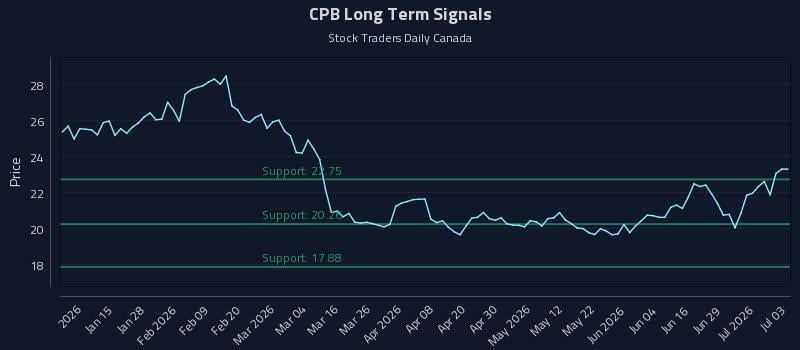
This article from Stock Traders Daily analyzes Campbell Soup Company (CPB) through quantitative research, providing insights on near-term sentiment, price positioning, and potential trading strategies. It presents AI-generated signals for various time horizons, including position, momentum breakout, and risk hedging strategies, along with support and resistance levels. The analysis aims to help traders time their rotational strategies effectively.

This article provides a detailed financial overview of Post Holdings Inc. (POST), including its market capitalization, income, sales, key financial ratios, stock performance, and insider/institutional ownership. It also presents volatility metrics and various Greek values pertinent to options trading.
This page provides a list of recent news and events related to the MWH ETF, compiled by Intellectia.AI. The news primarily focuses on SOLV Energy, detailing public offerings, earnings reports, analyst ratings, and IPO market activities. The latest update, as of June 4, 2026, reports on SOLV Energy completing a 15 million share public offering.
Jim Cramer highlighted General Mills (NYSE: GIS) for its "blowout quarter" and an announced restructuring plan aiming to cut $3 billion in costs by mid-2030, leading to an 8.5% stock rally. He previously referred to General Mills as one of the most "reliable stocks" in the market, noting its high dividend yield. While Cramer acknowledges GIS's potential, the article suggests that certain AI stocks might offer greater upside and less risk.
Campbell’s Foodservice Ready-To-Serve Tomato Soup is a bulk B2B product designed for high-volume foodservice operators in the US, delivered in 50 oz shelf-stable cans. This product is formulated without high-fructose corn syrup or added MSG, aligning with institutional nutrition standards, and offers operational efficiency for kitchens. It serves as a consistent and versatile ingredient for institutions like schools and hospitals, contributing to Campbell Soup Company's brand presence and stable cash flow in the foodservice sector.
Nixon Peabody Trust Co. significantly reduced its stake in PepsiCo, Inc. by selling 14,168 shares, decreasing its holdings by 35% to 26,304 shares valued at $4.085 million. This divestment occurred despite PepsiCo reporting strong first-quarter earnings, beating revenue and EPS expectations, and increasing its quarterly dividend to $1.48 per share, resulting in a 4.1% annualized yield. Analysts currently rate PepsiCo as a "Hold" with a consensus target price of $165.00, reflecting mixed sentiment amidst its solid financial performance.
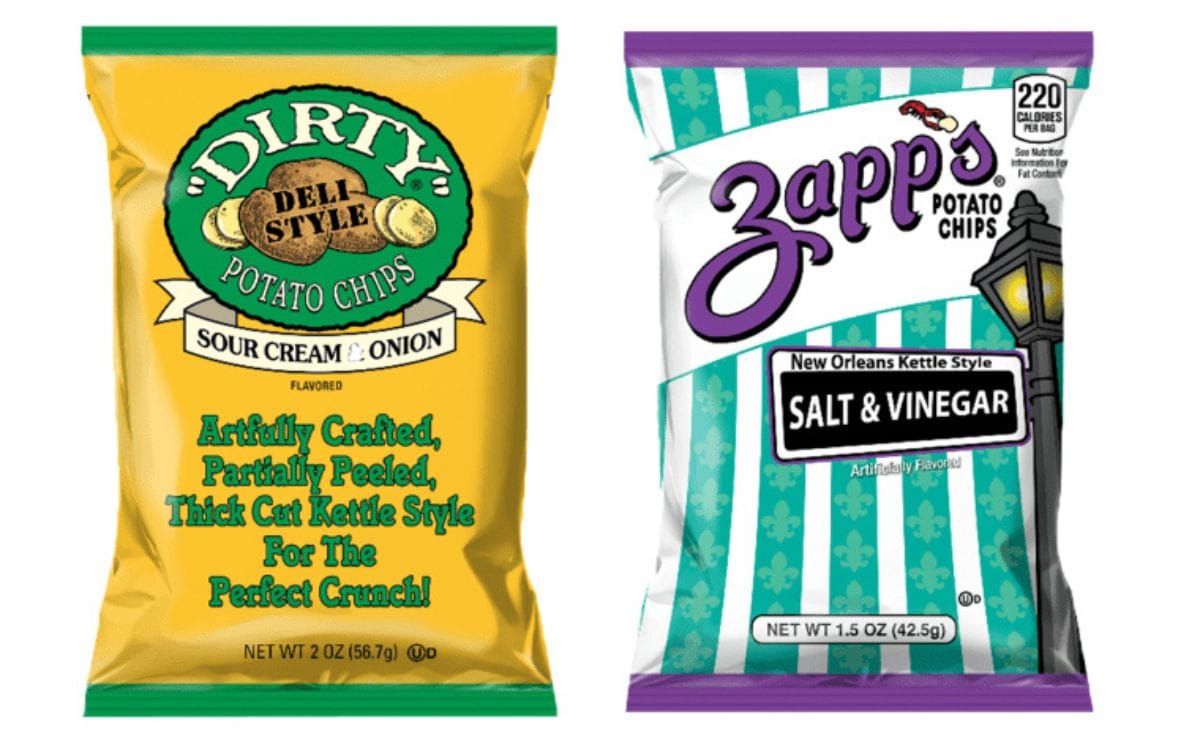
The FDA has elevated its recall of certain Utz, Dirty, and Zapp’s potato chips to Class I due to potential salmonella contamination. This highest classification indicates a reasonable probability of serious adverse health consequences or death. The recall, involving over 650,000 bags, is linked to dry milk powder used in seasoning, although Utz has stated no salmonella was detected in its products and no illnesses have been reported.
Fjarde AP Fonden Fourth Swedish National Pension Fund significantly increased its stake in The Hershey Company (NYSE: HSY) by 62.1% in the first quarter, now owning 109,319 shares valued at $22,726,000. Other institutional investors like PBU The Pension Fund and Prudential PLC also adjusted their holdings. The article also notes recent insider selling by CFO Steven E. Voskuil and various analyst ratings, with a consensus "Hold" rating and a target price of $217.50 for Hershey stock.

Hormel Foods stock continues to trade without a fresh company-specific catalyst, relying on its established branded grocery and foodservice businesses. The company's performance is tied to its ability to maintain profitability amid selective consumer demand, with brands like Spam, Skippy, and Applegate forming its core business engine. Investors are closely monitoring category trends, input costs, and mix shifts rather than headline sentiment.
Campbell Soup Company has introduced its Chunky Spicy Chicken & Sausage Gumbo, a 540-calorie microwave meal designed to offer hearty Southern comfort. This product is positioned as a full meal for busy families, particularly resonating in Southern and Mid-Atlantic markets, and is sold widely across the US in canned form. It capitalizes on consumer trends favoring globally inspired flavors and offers an inflation-conscious meal option.

Campbell Soup Co. is drawing investor interest due to its stable portfolio of soup, sauce, and snack brands, positioning it as a defensive play amidst economic uncertainty. The company's consumer staples profile, with its focus on recurring revenue through popular shelf-stable foods in North America, appeals to value-conscious households. Its classic Campbell's condensed soup range exemplifies its strategy of offering convenient and affordable meal solutions.

John B. Sanfilippo & Son (JBSS) is a US-based producer of nuts and nut-based snack products, serving both branded and private-label markets. The company's specialized focus on nuts and integrated operations, from sourcing to distribution, shape its business model and investor perception. JBSS faces considerations such as agricultural commodity costs and the balance between branded and private-label revenues, which influence its stock performance.
This article provides detailed financial data and performance metrics for Post Holdings Inc. (POST), including its latest stock close, market capitalization, income, sales, and various valuation ratios. It also lists key financial indicators such as EPS, sales growth, insider/institutional ownership, profitability margins, and price performance over different periods.
This article analyzes the Q1 2026 earnings for shelf-stable food stocks, comparing Campbell's (NASDAQ:CPB) performance against peers like Hershey (NYSE:HSY), BellRing Brands (NYSE:BRBR), Utz (NYSE:UTZ), and McCormick (NYSE:MKC). It highlights that while the sector had mixed results, Campbell's revenues were slightly below expectations, Hershey exceeded them, and BellRing Brands had a disappointing quarter. The article also touches on broader market shifts from AI concerns to geopolitical risks.
General Mills (NYSE:GIS) shares gained 6.8% after reporting adjusted EPS of 95 cents for the fiscal fourth quarter, surpassing the 80-cent estimate. Despite the beat, investors are scrutinizing the timing of trade expenses and an added week in the fiscal period, which significantly contributed to the profit growth. The company is forecasting a lower adjusted EPS for fiscal 2027, ranging from $3.00 to $3.20, compared to $3.55 expected for fiscal 2026, even with plans to cut at least $750 million in costs.
SG Americas Securities LLC significantly increased its stake in Post Holdings, Inc. by 216.2% in the first quarter, now holding 21,143 shares valued at approximately $2.09 million. This increase comes as Post Holdings reported strong Q1 earnings, beating analyst expectations with $1.94 EPS and a 4.7% revenue growth. Analysts maintain a "Moderate Buy" consensus rating with an average price target of $119.40, despite some recent target adjustments.
This article provides a Q1 teardown of shelf-stable food stocks, focusing on B&G Foods (NYSE:BGS) compared to its peers. It analyzes the performance of several companies, including Hershey (NYSE:HSY), BellRing Brands (NYSE:BRBR), Campbell's (NASDAQ:CPB), and Simply Good Foods (NASDAQ:SMPL), highlighting their revenue, earnings, and stock performance. The report also touches on broader market shifts from AI and crypto concerns to geopolitical risks.
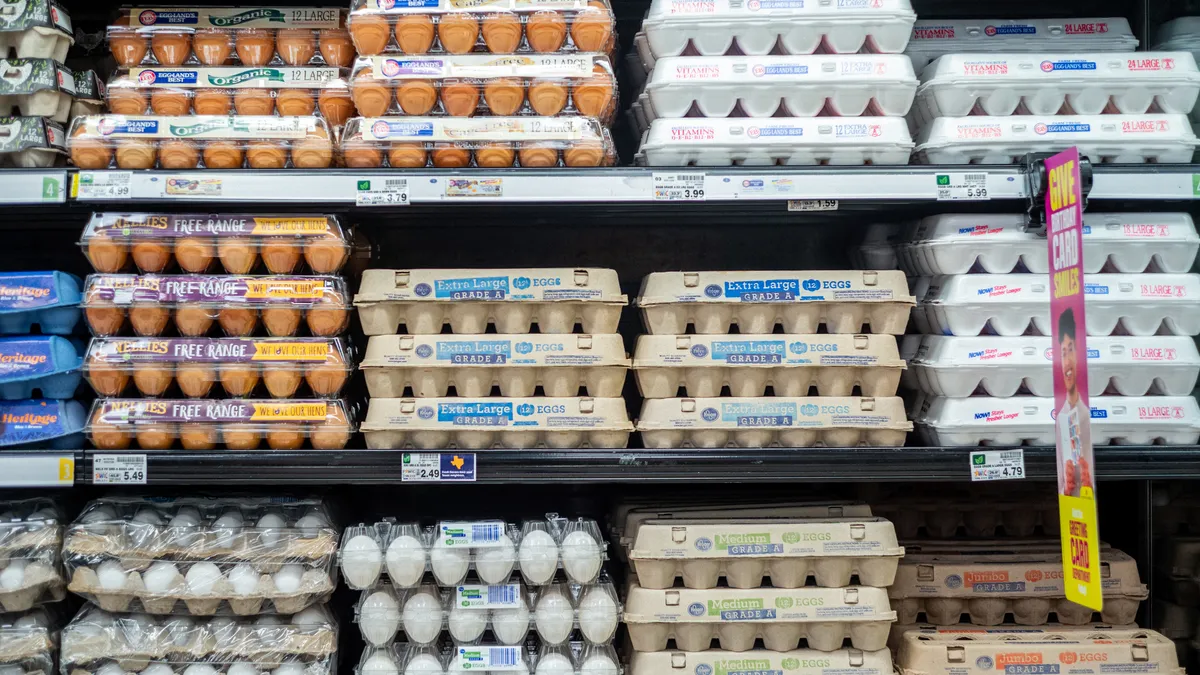
Cal-Maine, the largest egg producer in the US, has agreed to a settlement with the Department of Justice and 17 states, which includes paying $1.5 million and donating 30 million eggs to nonprofits and food banks. This agreement is part of a larger settlement involving Hickman's Egg Ranch and Versova, totaling $3.3 million, addressing allegations of price-fixing between June 2022 and March 2025. Cal-Maine denies admitting guilt, attributing price surges during the period to market volatility, avian flu outbreaks, and the COVID-19 pandemic.
iA Global Asset Management Inc. reduced its stake in PepsiCo by 17% in the first quarter, selling 56,216 shares and retaining 273,741 shares valued at $42.5 million. PepsiCo's stock was down 2.4% at $135.40, close to its 1-year low, despite beating recent earnings and revenue estimates and raising its quarterly dividend. The company also announced a new flavor manufacturing facility in India and is facing a trademark dispute, while analysts maintain a consensus "Hold" rating with an average target price of $166.85.

Campbell Soup Company has launched its new Well Yes! Italian-Style Wedding Soup, targeting health-minded consumers with a lighter, protein-focused alternative to traditional canned soups. The product features turkey meatballs and spinach, emphasizing recognizable ingredients and no artificial flavors. While not expected to significantly impact Campbell's financials on its own, this launch supports the company's strategy of incremental innovation to maintain market share and pricing power in the competitive packaged food sector.

Campbell Soup Company has launched Chunky Spicy Chicken Corn Chowder, a new ready-to-serve soup for the US market, featuring 18 grams of protein per can and a noticeable spicy kick. This product aims to meet consumer demand for bolder, heat-forward comfort foods and reinforces Campbell's strategy to position its Chunky line as "soup that eats like a meal." While not a low-sodium or diet product, its hearty profile and flavor innovation support Campbell's Meals & Beverages segment, which is a key driver for the company's financial performance.

Flowers Foods and Simple Mills are innovating to meet consumer demand for clean ingredients in fresh bakery products. Flowers Foods is expanding its breakfast and snacking portfolio with diverse offerings, while Simple Mills has launched its first Regenerative Organic Certified products and is achieving verification under the Non-UPF Verified Standard to highlight minimally processed ingredients. Both companies are responding to the growing consumer focus on healthier and more transparent food choices.

The Nathan's Famous Hot Dog Eating Contest has a long history, starting in 1916 as a patriotic competition among immigrants and becoming an annual July 4 tradition since 1972. The article details how the event gained international attention, featuring legendary eaters like Joey Chestnut, and provides a viewing guide for the upcoming 2026 contest. It highlights Joey Chestnut's return and 17th title win from the previous year.

This article highlights Campbell's Cream of Mushroom Soup as a perennial pantry staple in American kitchens, emphasizing its role in various recipes and its contribution to Campbell Soup Company's steady financial performance. It discusses the product's attributes, widespread usage, nutritional aspects, pricing, market availability, and its significance for investors tracking Campbell Soup Company shares. The soup is presented as a reliable revenue generator for the company despite not being a new innovation.
In this essay, Campbell McGrath humorously reflects on the existential questions posed by Campbell's Tomato Soup, considering its blandness and inconvenience as a meal. He shares anecdotes of people confusing his name with the soup and contrasts his experience with the soup's declining relevance in modern society. McGrath concludes with a poignant story from an elderly deli owner about the soup's historical significance in Camden, New Jersey.