
%22%2F%3E%0A%20%20%3Ccircle%20cx%3D%22220%22%20cy%3D%22150%22%20r%3D%22180%22%20fill%3D%22%2322d3ee%22%20fill-opacity%3D%220.12%22%2F%3E%0A%20%20%3Ccircle%20cx%3D%221010%22%20cy%3D%22130%22%20r%3D%22220%22%20fill%3D%22%2338bdf8%22%20fill-opacity%3D%220.08%22%2F%3E%0A%20%20%3Ccircle%20cx%3D%22920%22%20cy%3D%22520%22%20r%3D%22170%22%20fill%3D%22%2322d3ee%22%20fill-opacity%3D%220.06%22%2F%3E%0A%20%20%3Cpath%20d%3D%22M140%20430h920%22%20stroke%3D%22url(%23line)%22%20stroke-width%3D%2212%22%20stroke-linecap%3D%22round%22%2F%3E%0A%20%20%3Cpath%20d%3D%22M220%20360c120-150%20260-220%20380-220s260%2070%20380%20220%22%20fill%3D%22none%22%20stroke%3D%22%2367e8f9%22%20stroke-opacity%3D%220.5%22%20stroke-width%3D%2216%22%20stroke-linecap%3D%22round%22%20stroke-linejoin%3D%22round%22%2F%3E%0A%20%20%3Cpath%20d%3D%22M300%20398h600%22%20stroke%3D%22%2394a3b8%22%20stroke-opacity%3D%220.24%22%20stroke-width%3D%228%22%20stroke-linecap%3D%22round%22%2F%3E%0A%20%20%3Ctext%20x%3D%22220%22%20y%3D%22510%22%20fill%3D%22%23e2e8f0%22%20fill-opacity%3D%220.7%22%20font-family%3D%22Arial%2C%20Helvetica%2C%20sans-serif%22%20font-size%3D%2238%22%20letter-spacing%3D%228%22%3EINSIGHTS%3C%2Ftext%3E%0A%3C%2Fsvg%3E)
Bottom line
This is a margin defense signal, not a one-off price grab.
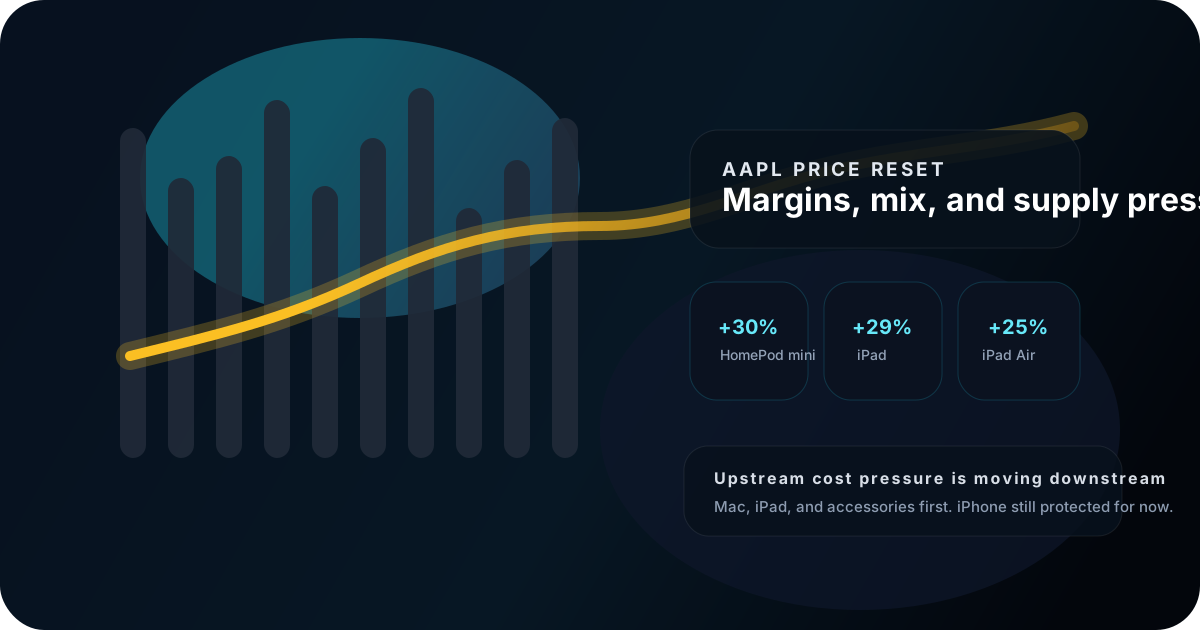
Apple is raising prices across Macs, iPads, HomePod, and Vision Pro after saying component costs had moved too fast to keep absorbing. The company told CBS that it had protected customers from those increases so far, but it had reached a point where it needed to raise prices on several products.
The strategic read is simple: Apple is defending gross margin and premium positioning while passing through a slice of the memory and storage shock created by AI-era supply tightness.
What changed
The price reset is broad enough to matter, but narrow enough to preserve the brand.
The most important part of the reset is not any single model. It is the pattern. Apple lifted prices on multiple entry and mid-tier devices at once, which tells you this was not a cosmetic adjustment. It was a deliberate response to component pressure.
That also explains why the move matters for consumer behavior. Apple is not trying to reprice the entire ecosystem in one shot. It is pushing on the parts of the lineup where demand is still sticky enough to absorb the change.
| Product | Before | After | Change |
|---|---|---|---|
| MacBook Neo | $599 | $699 | +16.7% |
| MacBook Air | $1,099 | $1,299 | +18.2% |
| MacBook Pro | $1,699 | $1,999 | +17.7% |
| Mac mini | $1,399 | $1,599 | +14.3% |
| Mac Studio | $1,999 | $2,499 | +25% |
| iPad | $349 | $449 | +28.7% |
| iPad mini | $499 | $599 | +20% |
| iPad Air | $599 | $749 | +25% |
| iPad Pro | $999 | $1,199 | +20% |
| HomePod mini | $99 | $129 | +30.3% |
| Vision Pro | $3,499 | $3,699 | +5.7% |
Upstream pressure
Memory and storage inflation is the immediate trigger.
Apple said it had never seen a component price increase this much, this quickly. That wording matters because it points to a supply chain shock rather than a simple pricing optimization exercise.
The broader ecosystem is under similar pressure. TSMC is reportedly raising advanced-node pricing by 5% to 10%, and Apple remains exposed to that cost base through its own chip and device pipeline. In parallel, AI data-center demand keeps absorbing memory and storage supply that would otherwise flow into consumer electronics.
- Advanced-node wafer pricing is moving higher.
- Memory and storage are being pulled toward AI infrastructure.
- Apple's 10-K already flags supply shortages, price increases, and currency pressure as margin risks.
Downstream impact
Consumers will feel it first in upgrade timing and model mix.
Higher sticker prices usually slow impulse upgrades more than planned replacements. That matters for Apple because a lot of the demand in Macs and iPads is tied to timing, education budgets, and business refresh cycles rather than urgent replacement needs.
The likely result is a mix shift. Premium buyers and business customers can absorb the increase, but price-sensitive users may stretch device lifetimes, buy lower-storage SKUs, or lean harder on education pricing and trade-ins.
Selected Apple price increases
Reported increases on affected products; the initial wave did not include iPhone, Watch, or AirPods.
Unidad: percent
HomePod mini
Accessory pricing pressure
30.3%
iPad
Tablet pricing pressure
28.7%
Mac Studio
Mac pricing pressure
25%
iPad Air
Tablet pricing pressure
25%
iPad mini
Tablet pricing pressure
20%
iPad Pro
Tablet pricing pressure
20%
MacBook Air
Mac pricing pressure
18.2%
MacBook Pro
Mac pricing pressure
17.7%
MacBook Neo
Mac pricing pressure
16.7%
Mac mini
Mac pricing pressure
14.3%
Vision Pro
Premium headset pricing pressure
5.7%
Stock implications
The stock should care more about margin durability than the price increase itself.
Apple's delayed stock quote was $293.08 when this note was written, and the latest reported quarter delivered $111.2 billion of revenue and $2.01 in diluted EPS. That keeps the stock framed as a premium franchise, so the market will focus more on margin durability than on the act of raising prices itself.
If pricing preserves margin without visibly breaking demand, the stock can treat this as defensive discipline instead of a growth warning. If consumers start trading down or delaying refresh cycles, the same move becomes evidence that component inflation is reaching demand destruction.
My conclusion
Apple is responding to a supply-chain inflation regime, not just repricing one product line.
The broader lesson is that Apple is no longer fully insulated from the AI build-out. When capacity is tight, one of the most disciplined hardware companies in the market eventually passes the pain forward. The first place that shows up is the low-end Mac and iPad mix, then premium accessories, and only later the flagship phone line if pressure keeps building.
For investors, the key read-through is whether Apple gets a margin tailwind from pricing or whether demand elasticity starts biting into volumes. That tension, not the headline price list, is the real story.