
%22%2F%3E%0A%20%20%3Ccircle%20cx%3D%22220%22%20cy%3D%22150%22%20r%3D%22180%22%20fill%3D%22%2322d3ee%22%20fill-opacity%3D%220.12%22%2F%3E%0A%20%20%3Ccircle%20cx%3D%221010%22%20cy%3D%22130%22%20r%3D%22220%22%20fill%3D%22%2338bdf8%22%20fill-opacity%3D%220.08%22%2F%3E%0A%20%20%3Ccircle%20cx%3D%22920%22%20cy%3D%22520%22%20r%3D%22170%22%20fill%3D%22%2322d3ee%22%20fill-opacity%3D%220.06%22%2F%3E%0A%20%20%3Cpath%20d%3D%22M140%20430h920%22%20stroke%3D%22url(%23line)%22%20stroke-width%3D%2212%22%20stroke-linecap%3D%22round%22%2F%3E%0A%20%20%3Cpath%20d%3D%22M220%20360c120-150%20260-220%20380-220s260%2070%20380%20220%22%20fill%3D%22none%22%20stroke%3D%22%2367e8f9%22%20stroke-opacity%3D%220.5%22%20stroke-width%3D%2216%22%20stroke-linecap%3D%22round%22%20stroke-linejoin%3D%22round%22%2F%3E%0A%20%20%3Cpath%20d%3D%22M300%20398h600%22%20stroke%3D%22%2394a3b8%22%20stroke-opacity%3D%220.24%22%20stroke-width%3D%228%22%20stroke-linecap%3D%22round%22%2F%3E%0A%20%20%3Ctext%20x%3D%22220%22%20y%3D%22510%22%20fill%3D%22%23e2e8f0%22%20fill-opacity%3D%220.7%22%20font-family%3D%22Arial%2C%20Helvetica%2C%20sans-serif%22%20font-size%3D%2238%22%20letter-spacing%3D%228%22%3EINSIGHTS%3C%2Ftext%3E%0A%3C%2Fsvg%3E)
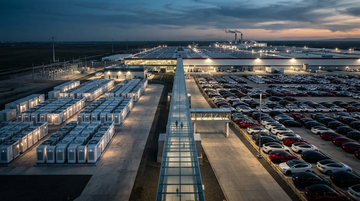
What matters most in Tesla’s Q2 2026 earnings is not just volume—it’s whether automotive gross margin improves enough to change the operating leverage story. Energy storage can smooth results via its typically higher gross margin profile, but investors still underwrite Tesla’s valuation on the direction of automotive profitability.
Earnings setup
The market’s Q2 2026 “scoreboard” is automotive gross margin first, deliveries second, and energy last
- Delivery volumes headline the quarter, but the earnings reaction usually hinges on automotive gross margin (pricing power, mix, and cost trends).
- Tesla’s energy generation & storage business is the swing factor that can cushion earnings, because its gross margin profile has historically been materially higher than autos.
- So the core question isn’t whether energy is growing—it’s whether it’s growing fast enough (and with attractive margins) to offset any automotive margin deterioration.
What we can verify right now
Tesla’s segment margin “shape” supports the market’s weighting: energy is structurally higher-margin than automotive
| Segment | Revenue (USD) | Gross margin |
|---|---|---|
| Automotive (gross margin, automotive portion) | $15,473M (automotive sales within total automotive segment revenue) | 21.1% |
| Automotive & services & other (total automotive gross margin) | $19,979M total segment revenue | 18.9% |
| Energy generation & storage | $2,408M revenue | 39.5% |
| Consolidated (total gross margin) | $22,387M total revenue | 21.1% |
- Energy’s gross margin (39.5% in Q1 2026) is a built-in offset lever versus the automotive segment (18.9% total automotive segment gross margin in the same quarter).
- That means energy growth can improve the blended gross margin and/or reduce downside volatility—but it can’t fully neutralize autos if automotive margin compresses sharply or deliveries disappoint.
Investor takeaway: treat energy storage as margin insurance and autos as the main profit engine. In practice, the stock’s reaction typically tracks the direction of automotive profitability more than the absolute contribution of energy revenue.
Fundamentals lens (listed-company financials)
Even before Q2 2026, Tesla’s quarterly income statement shows that revenue growth alone doesn’t guarantee margin expansion
Tesla quarterly revenue trend (latest available quarterly points from financial data tools)
Revenue by quarter (USD). This helps anchor whether the market is punishing/ rewarding delivery-driven topline.
Unit: USD
Tesla, Inc. 2025 Q2 revenue
22,496,000,000
Tesla, Inc. 2025 Q3 revenue
28,095,000,000
Tesla, Inc. 2025 Q4 revenue
24,901,000,000
Tesla quarterly gross profit trend (latest available quarterly points from financial data tools)
Gross profit by quarter (USD). This is the fastest way to see whether margins are expanding or compressing as revenue moves.
Unit: USD
Tesla, Inc. 2025 Q2 gross profit
3,878,000,000
Tesla, Inc. 2025 Q3 gross profit
5,054,000,000
Tesla, Inc. 2025 Q4 gross profit
5,009,000,000
- From 2025 Q3 to 2025 Q4, Tesla’s revenue declines (from $28.1B to $24.9B) while gross profit is roughly flat around ~$5B, which is consistent with margin sensitivity being more important than topline movement alone.
- That’s why Q2 2026 investors will focus heavily on automotive gross margin and the mix between automotive and energy.
Causal chain
Why deliveries drive margin in the Tesla model: absorption, mix, and discounting all move together
- Mechanism 1: Factory absorption—higher utilization spreads fixed manufacturing costs over more units, which can lift gross margin even if raw input costs are unchanged.
- Mechanism 2: Mix and pricing/discounting—if demand is softer, the company may use incentives to protect deliveries, which tends to pressure automotive gross margin.
- Mechanism 3: Energy doesn’t replace the chain—energy gross margin is structurally higher (see Q1 2026 10-Q example), but energy requires separate production and deployment capacity; it smooths the blended outcome rather than fully offsetting auto underperformance in every quarter.
What to watch in Q2 2026 (investor checklist)
The only three numbers that should move your base case for Tesla after Q2 2026
- Automotive gross margin: does it expand, hold, or compress versus the previous quarter and the same quarter last year?
- Automotive revenue/mix: are regulatory credits and leasing/services cushioning the segment, or is the improvement mainly coming from vehicle economics?
- Energy gross margin and growth rate: is energy growth showing up in segment gross profit (not just revenue), supporting blended profitability?
If automotive gross margin improves while deliveries are stable, the market can re-rate Tesla on operating leverage. If deliveries grow but automotive margin compresses, the quarter can still disappoint because the company may be buying volume with economics.